


Kampala, Uganda – The National Social Security Fund (NSSF) is urging Ugandan businesses—especially Small and Medium Enterprises (SMEs)—to adopt digital solutions as a key strategy to enhance productivity, cut costs, and deliver better services.
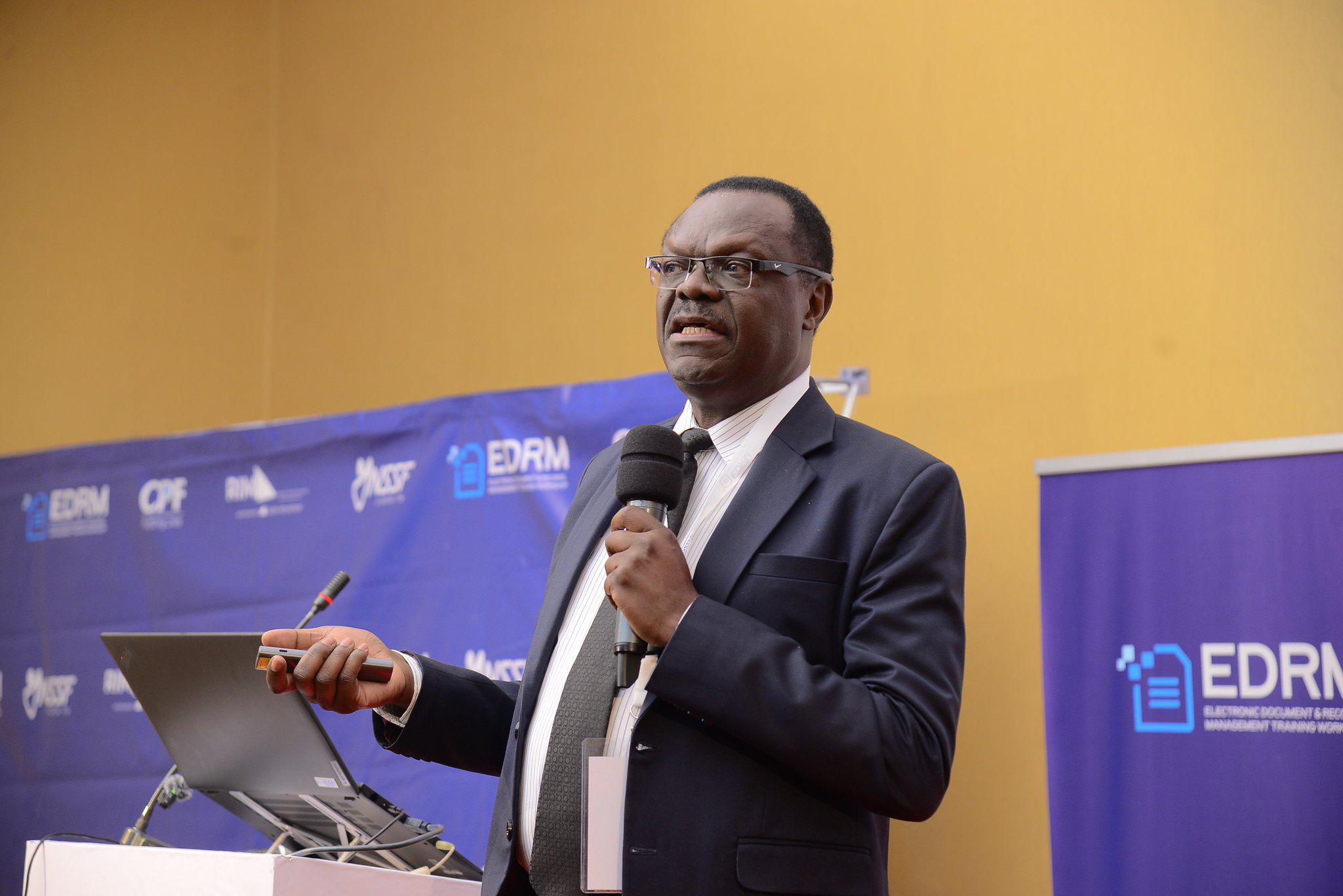
Speaking during the opening of the 1st International Advanced Electronic Document and Records Management Workshop in Kampala, NSSF Managing Director Patrick Ayota stressed that digitalisation is more than a tech upgrade—it is a strategic tool for long-term efficiency and resilience.
“Back in 2015, our assets under management were UGX 5.5 trillion. Staff and customer satisfaction rates stood at 71% and 69%, respectively, and benefits processing took 18 days,” Ayota shared. “By 2020, thanks to our digital strategy, we grew assets to UGX 20 trillion, increased satisfaction to 95%, and reduced processing time to just one day.”
Ayota also noted that the Fund had reduced its annual storage costs by 55%, from UGX 480 million in 2015 to UGX 214 million in 2025, following the implementation of a digital document repository that enables real-time access to records across departments.
Spotlight on Electronic Records Management
The three-day workshop—organised in partnership with CPF Kenya and Records and Information Management (RIM) Uganda—was themed: “Go Paperless: Boosting Productivity & Efficiency with Electronic Records.” It attracted international delegates and thought leaders in digital records management.
Mourice Guya, Head of Infrastructure and Business Applications at CPF Kenya, underscored the impact of the Electronic Document and Records Management System (EDRMS) in enhancing business continuity.
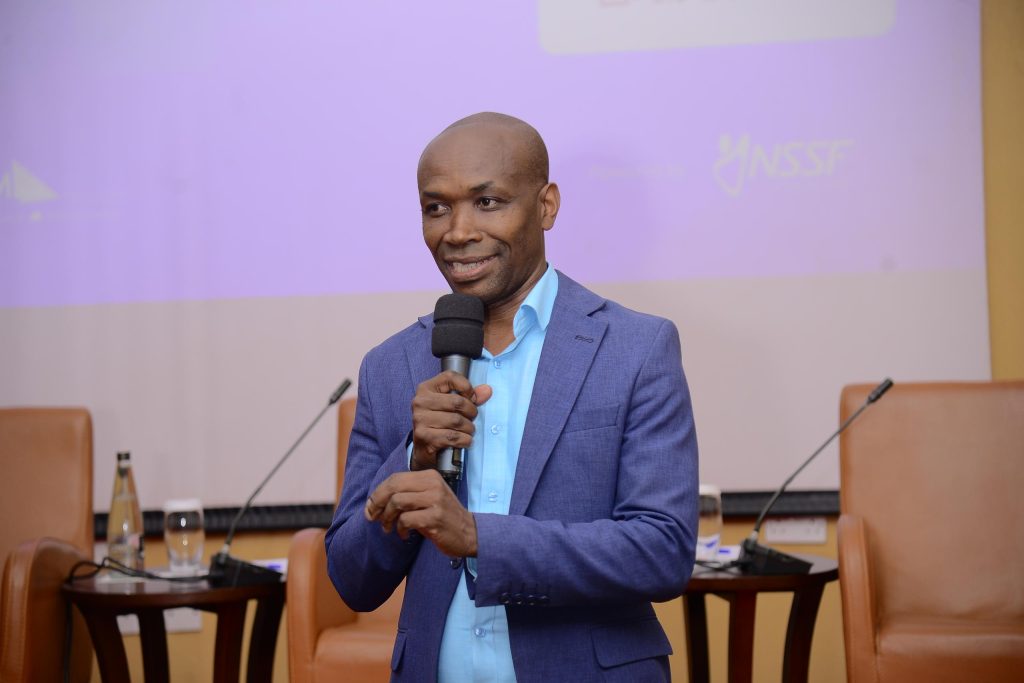
“With EDRMS, claim processing times have been slashed from two weeks to just one day. Its real-time data replication across primary and off-site servers ensures uninterrupted operations, even in crisis situations,” Guya explained.
Expert Advice on Starting the Digital Journey
Offering practical guidance, Judy Butterworth from the British Library’s Endangered Archives Programme urged entrepreneurs to take a strategic approach when beginning their digital journey.
“Start with a clear understanding of why you’re digitising. Determine what equipment and skills you need, and plan for secure, sustainable data storage,” she advised. “These decisions affect everything—from staffing to long-term costs.”
A Timely Push for Inclusive Digital Transformation
This workshop comes at a time when digitalisation is increasingly critical for economic development. According to the World Bank’s 2023 Digital Transformation Report, digital technologies are reshaping Uganda’s economy—opening up access to markets, reducing costs, and boosting efficiency. However, the report warns of a persistent digital divide among SMEs, particularly in rural areas.
About NSSF Uganda
The National Social Security Fund (NSSF) is a government-mandated institution established under the NSSF Act (Cap 230) to provide social security services to all eligible employees in Uganda.
The Fund is recognised for its innovation, financial security, and commitment to delivering a return on member savings of at least 2% above the 10-year inflation average. Currently, the Fund manages assets exceeding UGX 24 trillion, with investments spread across Fixed Income, Equities, and Real Estate in the East African region.
Policy oversight is provided by the Minister of Gender, Labour & Social Development and the Minister of Finance, Planning & Economic Development.