


James Mutebi (not his real name) started smoking at just 16 years old. As he grew older, his smoking habit worsened into full-blown addiction.
In December last year, Mutebi began experiencing difficulty swallowing. His appetite diminished, and he started losing weight rapidly. When his concerned family questioned him, he insisted everything was fine, until he could no longer manage the pain.
Even swallowing a spoonful of juice became unbearable. That’s when he asked to be taken to the hospital.
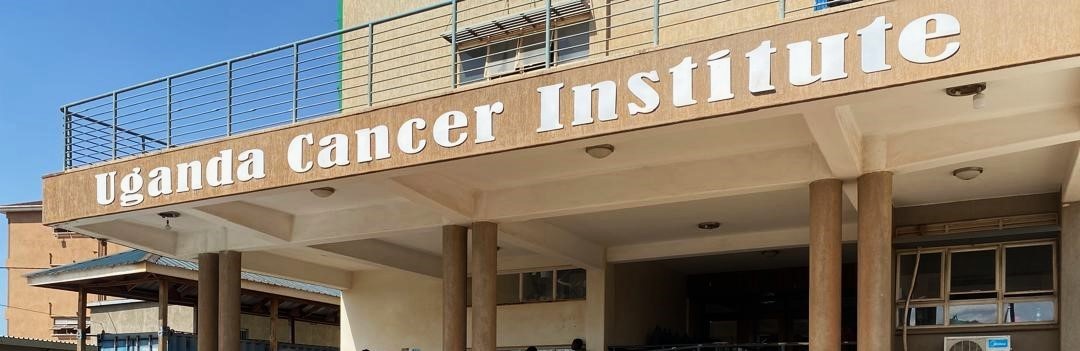
At the Uganda Cancer Institute (UCI), doctors diagnosed him with Oesophageal Cancer.
What Is Oesophageal Cancer?
Oesophageal cancer develops in the tissues lining the oesophagus, the tube that carries food from the throat to the stomach. It is most commonly diagnosed in individuals over 60 years old and is significantly more prevalent among men.
According to UCI statistics, 2,400 new cases of oesophageal cancer are reported annually. One such patient is 60-year-old Kizza, who is now part of those numbers.
A Collaborative Response
In response to the growing burden of this disease, the Uganda Cancer Institute has partnered with the African Esophageal Cancer Consortium (AfrECC) and the Kyabirwa Surgical Center in Jinja.
Together, they are offering screening, diagnosis, and endoscopy services for suspected cases.
This week, the Ministry of Foreign Affairs, in partnership with these institutions, facilitated a training program on oesophageal stenting at the Kyabirwa Center.
Through video-assisted technology and smart surgical tools, international experts are mentoring local medical teams, bridging geographic gaps with innovation.
Dr. Nixon Niyonzima, UCI’s Director of Research, emphasized the critical need for partnerships in improving cancer treatment.
Margaret Kafeero, Head of Public Diplomacy at the Ministry of Foreign Affairs, stated that the ministry is committed to supporting science and technology-driven development in Uganda, underscoring why such medical interventions are a national priority.
According to Niyonzima, UCI receives approximately 36,000 new cancer cases annually, yet only about 20% of patients are able to access care at the institute.
Alarmingly, 80% of those arrive already in advanced stages (Stage III or IV), largely due to limited awareness and access to early diagnosis and treatment.
Of the total annual cases, about 2,400 are oesophageal cancer, making it the fifth most common cancer in Uganda. Among men, it ranks third; and sixth among women.
Survival rates are also troubling, with only 4.5% of patients diagnosed with oesophageal cancer in Uganda survive beyond five years.
Experts attribute this to late diagnosis and limited treatment options. Just 18% of patients present at early stages (Stage I or II).
Challenges
One of the major hurdles for UCI is the lack of advanced technology for treatment, despite increasing efforts in screening and diagnosis. Many critical procedures, such as endoscopies and CT scans, remain inaccessible in most parts of the country.
To address these issues, the UCI is pushing for the establishment of regional cancer treatment centers. By 2030, the institute aims to provide care to 85% of cancer patients across Uganda. Recent investments from the Ministry of Health in diagnostic equipment, such as CT scanners, are a step in that direction.
The Kyabirwa Surgical Center in Jinja will now offer endoscopy services at subsidized rates, improving access for patients in Eastern Uganda.
The AfrECC is also bringing together practitioners and researchers to support interventions aimed at reducing mortality, currently at 95% within five years for oesophageal cancer patients.
Risk factors
The primary risk factors for oesophageal cancer in Uganda are smoking, tobacco chewing, and alcohol consumption.
Public health messaging, early detection, and community education are essential in combatting the disease.
To address these different challenges, UCI and its partners are organizing the first-ever Oesophageal Cancer Symposium in Uganda, which began June 10 and ending on June 13, 2025 at Kyabirwa Surgical Center. The event includes workshops, training, and free endoscopy services for patients.
Vivian Kobusingye Birchall, founder and CEO of HealthCare Blind Spots Consulting and AfrECC board member, called for a holistic response that extends beyond medicine.
She emphasized the role of AI-assisted diagnostics, virtual training programs, and community centered communication in transforming cancer care in Uganda.
With collaborative partnerships, strategic innovation, and public engagement, Uganda is taking critical steps to combat oesophageal cancer. But as Dr. Niyonzima reminds us, much more needs to be done to improve survival rates, reduce late-stage diagnoses, and expand access to life-saving care.