


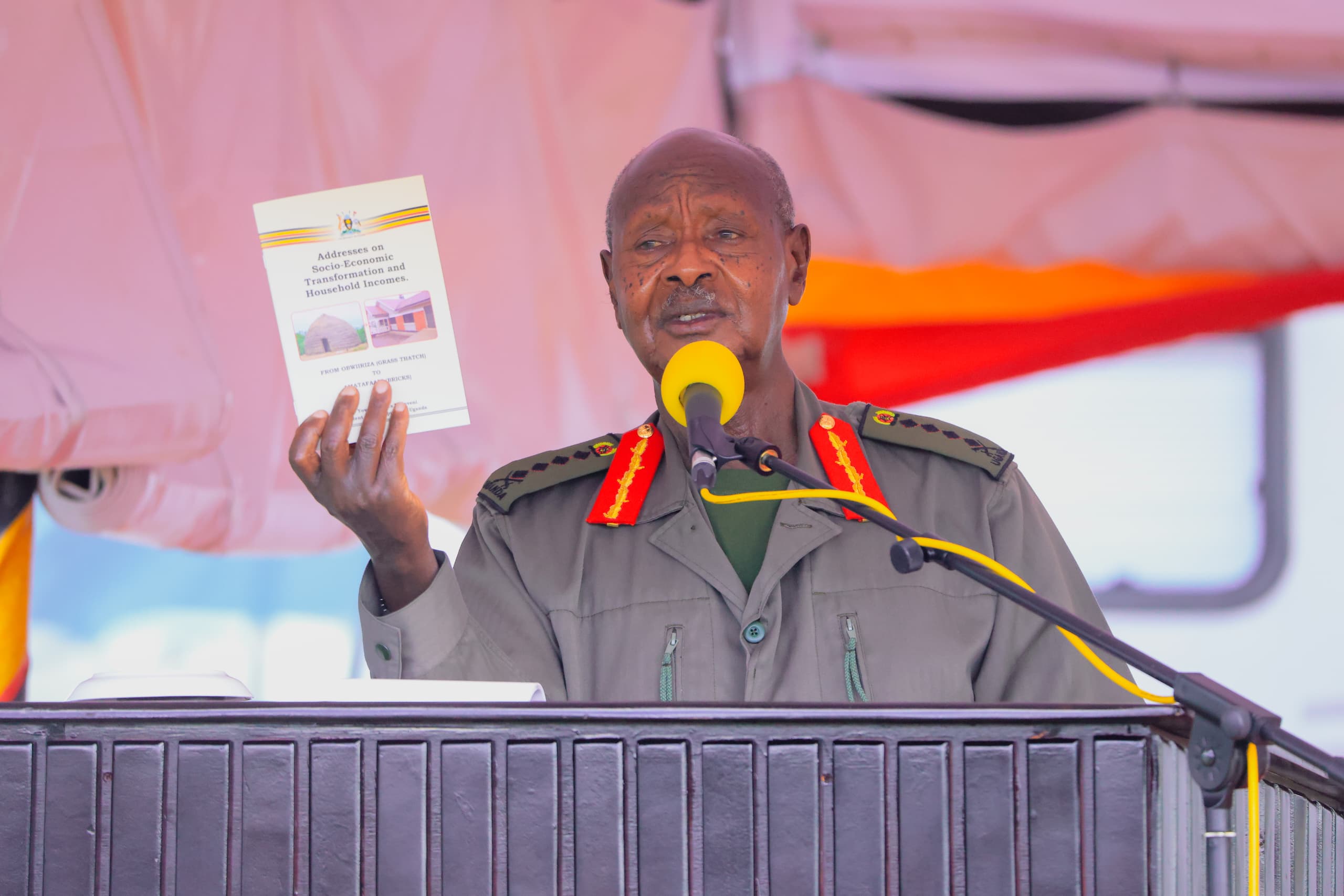
KYANKWANZI, UGANDA — President Yoweri Kaguta Museveni has called on leaders within the ruling National Resistance Movement (NRM) to anchor their leadership on ideology, integrity, and discipline, warning that corruption and internal weaknesses could undermine the country’s progress.
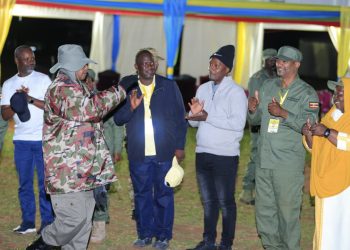
The President who is also the chairman of NRM made the remarks while officially opening a week-long retreat for NRM leaders at the National Leadership Institute Kyankwanzi. The retreat, attended by newly elected Members of Parliament (MPs), party officials, and allied independents, is being held under the theme: “Securing Gains and Transitioning to a Higher Middle-Income Status.”
Focus on Ideology, Philosophy, and Strategy
President Museveni emphasized that a clear understanding of the NRM must be rooted in three key pillars: ideology, philosophy, and strategy.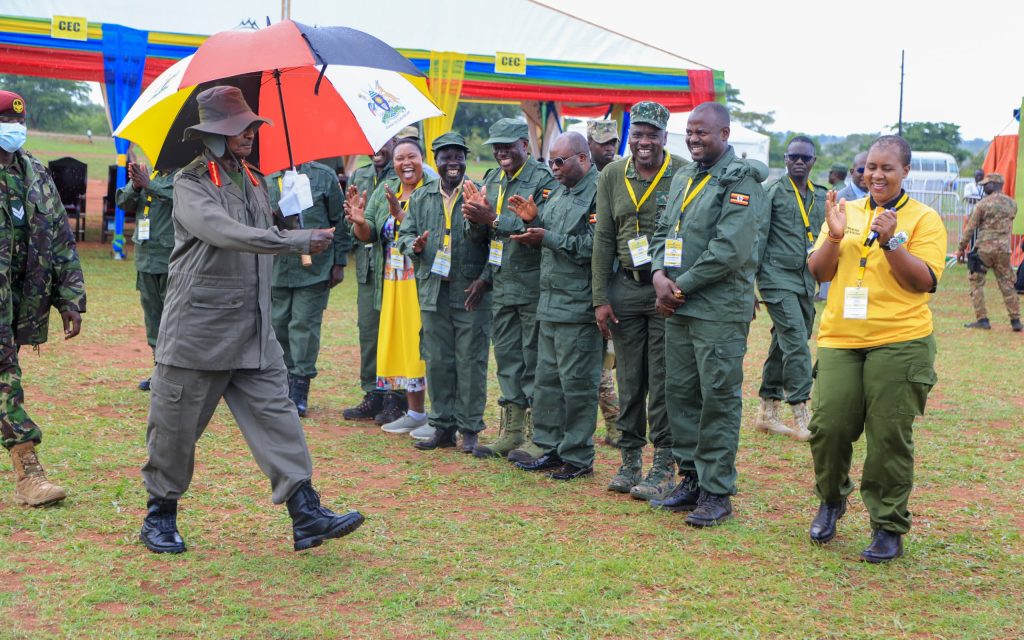 He described ideology as the process of diagnosing societal challenges, urging leaders to carefully study the communities they represent and identify the root causes of issues affecting citizens. Philosophy, he explained, involves understanding human behavior, while strategy focuses on implementing solutions effectively.
According to the President, leaders who fail to grasp these principles risk misdirecting national efforts.
Warning Against Corruption and Indiscipline
Museveni issued a strong warning to newly elected MPs against engaging in corruption, describing it as both a moral failure and a threat to national development.
“Corruption will not be tolerated. It undermines service delivery and erodes public trust,” he said, adding that leaders who engage in dishonest practices live in constant fear of exposure.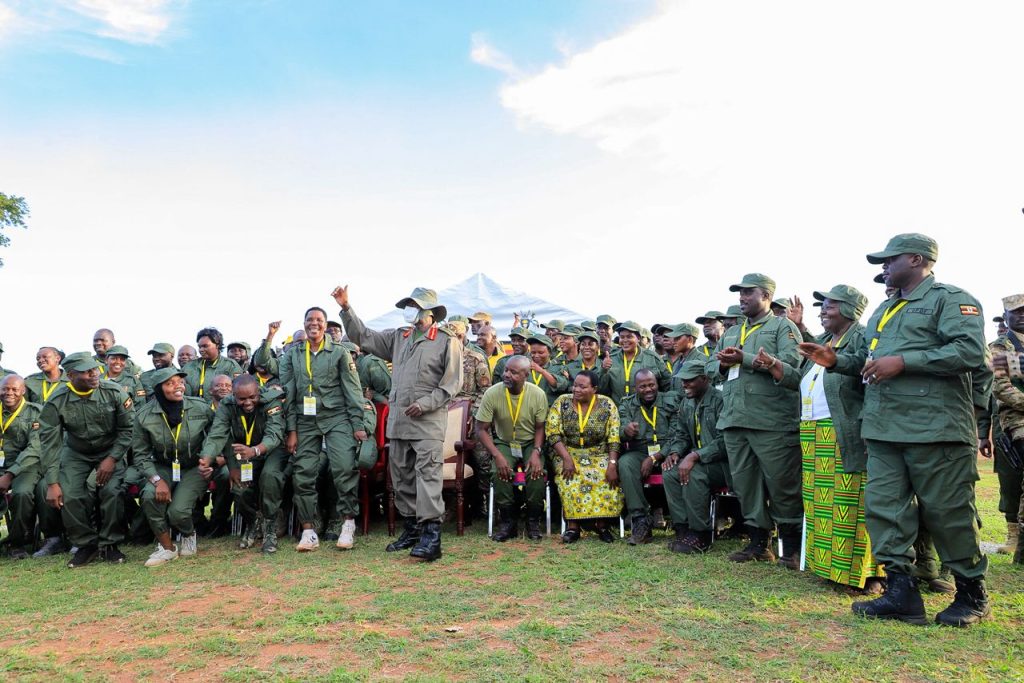 He further stressed that discipline is essential for effective leadership, noting that even well-designed policies cannot succeed without personal integrity and self-control.
MPs Urged to Embrace Leadership Responsibility
Congratulating MPs on their electoral victories, Museveni reminded them that leadership comes with heightened expectations.
He described the legislators as “priests” of the NRM ideology, tasked with guiding citizens and strengthening the party’s mission. He also encouraged them to study party literature to deepen their ideological understanding.
The President noted that while the NRM performed well in recent elections, internal weaknesses had led to missed opportunities, issues he said must be addressed moving forward.
Economic Transformation and Wealth Creation
Museveni highlighted Uganda’s economic progress, attributing it to peace, stability, and private sector growth. He identified agriculture, small-scale industries, services, and information and communication technology (ICT) as key drivers of future transformation.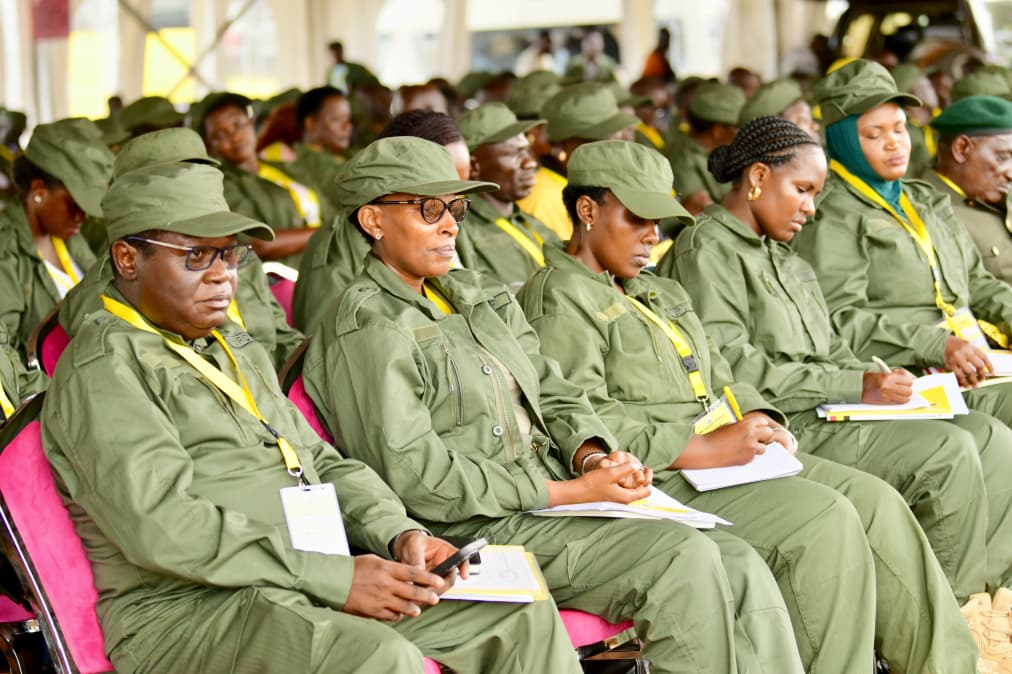 He urged MPs to promote wealth creation by supporting citizens involved in productive sectors such as farming, trade, and entrepreneurship.
Drawing from his own experience, Museveni said he had built his wealth through honest means, encouraging leaders to take pride in integrity rather than shortcuts.
Call for National Unity
The President cautioned against sectarian politics based on tribe or religion, warning that such divisions have historically weakened nations and fueled conflict.
He urged leaders to prioritize national unity and shared development goals over narrow interests, stressing that ideological confusion could derail Uganda’s progress.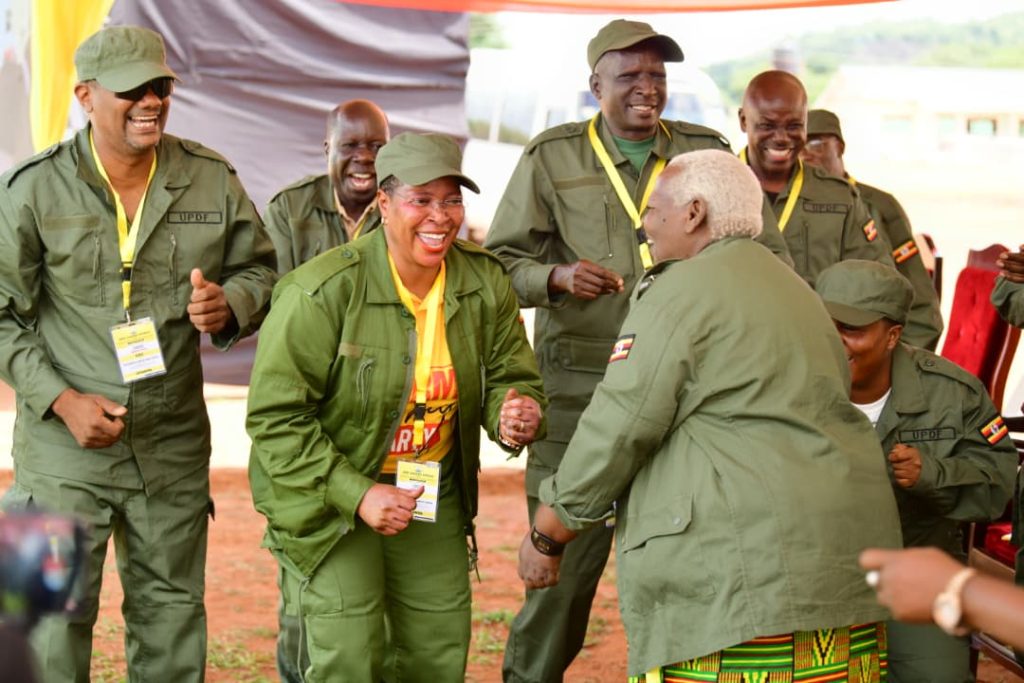 Speakership Debate Deferred
Museveni also addressed growing interest in the Speakership of Parliament, revealing that he would convene a meeting to discuss the matter at an appropriate time.
The issue has drawn attention following earlier endorsement by the NRM Central Executive Committee of Anita Among for a second term, alongside her deputy Thomas Tayebwa.
Some MPs, including Bukono MP-elect Persis Namuganza, have expressed interest in contesting for the position, citing the need to strengthen accountability and tackle corruption in Parliament.
Broad Participation at the Retreat
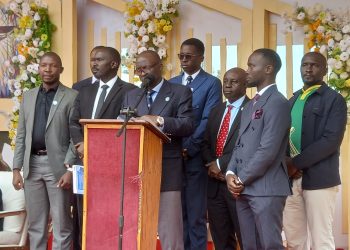
The retreat has attracted a wide range of leaders, including Vice President Jessica Alupo, Prime Minister Robinah Nabbanja, and NRM Secretary General Richard Todwong.
Also in attendance is Norbert Mao, leader of the Democratic Party, highlighting ongoing cooperation between political actors.
During the session, Todwong revealed that 49 independent MPs had agreed to work with the NRM, boosting the party’s influence in Parliament.
MPs Raise Concerns, Share Expectations
Several MPs-elect used the retreat to raise concerns about electoral challenges and internal party issues, calling for the President’s intervention.
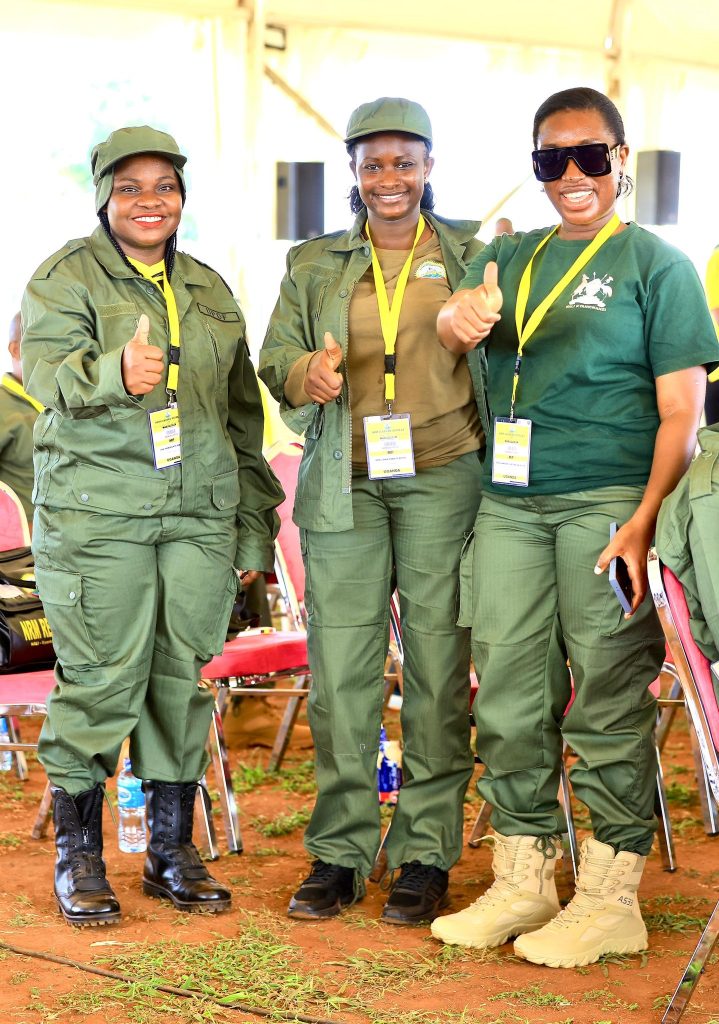
Masaka City Woman MP-elect Justine Nameere described the retreat as a significant opportunity for learning, networking, and advocating for her constituents. She noted that her election on the NRM ticket marked a shift in a region traditionally dominated by opposition politics.
Other leaders emphasized the importance of using the retreat to improve legislative effectiveness and strengthen representation at both local and national levels.