


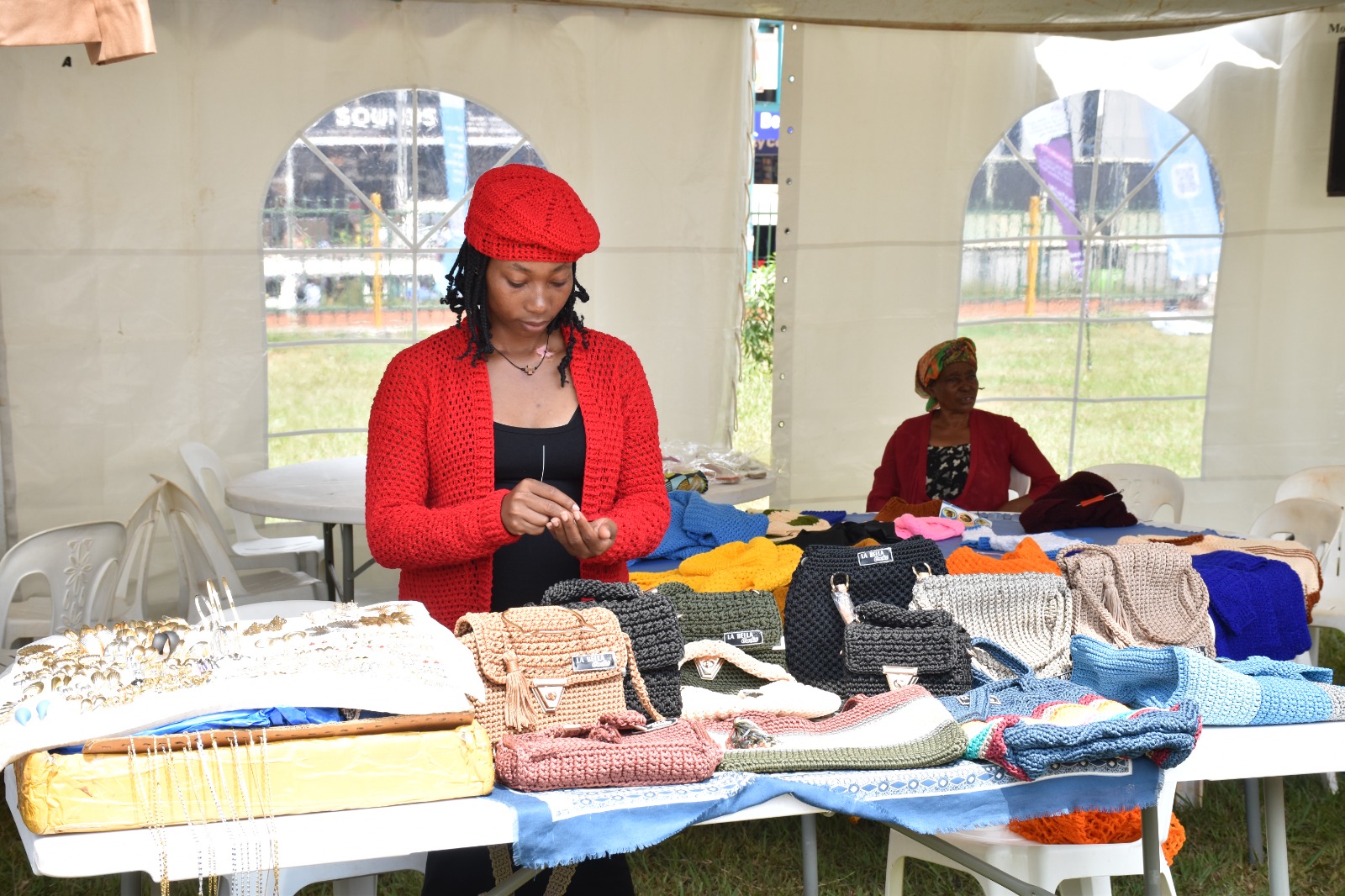
KAMPALA – Refugee women engaged in small and medium-sized businesses have appealed to the Government of Uganda and the Kampala Capital City Authority (KCCA) to allocate them space in Kampala’s markets, saying it would help them earn a sustainable living and reduce dependence on humanitarian aid.
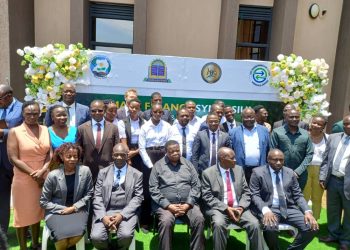
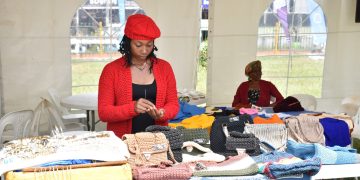
The appeal was made during the High Economy Uganda Trade Fair, a two-day exhibition taking place at Kampala City Square, where refugee women are showcasing products ranging from crafts to other micro-enterprises.
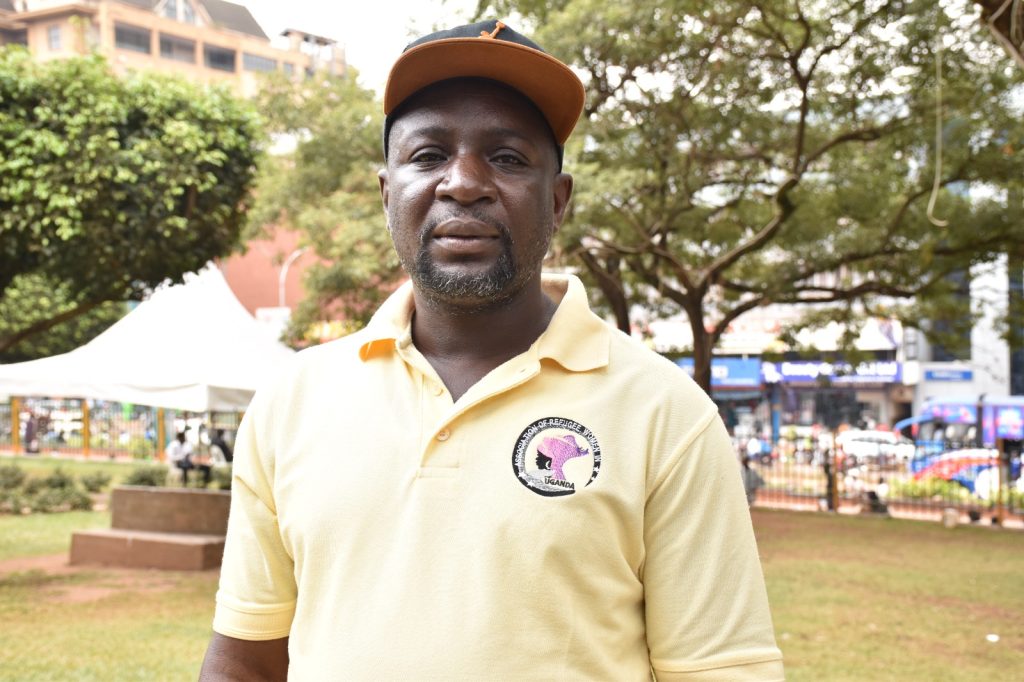
Speaking at the event, the Technical Advisor of the Association of Refugee Women in Uganda, Mr. Keghah Roger Nua, said the exhibition is intended to demonstrate the economic potential of refugee women and connect them with partners who can support and expand their businesses.
“We are showcasing what refugee women can do. They are involved in crafts and different value chains. Refugee women can contribute to driving innovation in Uganda’s economy,” Nua said.
He explained that the association is shifting away from the traditional aid model by equipping refugee women with practical skills that enable them to earn an income and become self-reliant.
“The old approach of depending on food aid is no longer sustainable because of global funding cuts. We want refugee women to build resilience, become self-sustaining and support their families through business,” he said.
The Association of Refugee Women in Uganda was founded in 2021 and officially licensed in 2024. It has grown from supporting mainly Congolese refugees to representing women from Somalia, Sudan, South Sudan, Burundi, Rwanda and the Democratic Republic of Congo, with a membership of more than 14,000 refugee women.
Despite Uganda’s refugee-friendly policies, Nua said many women operating small businesses continue to face challenges, especially when selling goods on Kampala’s streets.
He noted that many traders lose their merchandise during KCCA enforcement operations against illegal street vending, forcing them to restart their businesses repeatedly.
“Behind every box these women carry is a story. They are looking for school fees, rent, medical bills and food for their families. When their goods are confiscated, they lose everything and return to us for fresh support,” he said.
Nua appealed to KCCA to adopt a more supportive approach, suggesting that confiscated goods be returned after penalties where necessary instead of being permanently taken away.
He also called on the government and KCCA to designate market spaces specifically for refugee women entrepreneurs.
“If space can be allocated where refugee women can legally sell their products, it will not only help them earn a living but also create a unique marketplace that could attract visitors interested in seeing refugee innovation and Uganda’s progressive refugee policy,” he said.
Graca Iranga, a Congolese refugee and proprietor of La Bella’s Crochets, said refugee women continue to struggle to access formal markets, forcing many to resort to hawking.
According to her, some refugees who have shops struggle to obtain licences, making it difficult to operate. Their products are often confiscated by KCCA.
She appealed to the government to issue refugee entrepreneurs with permits and identification that would enable them to operate without constant interference.
The High Economy Uganda Trade Fair continues through today, bringing together refugee entrepreneurs, development partners, government stakeholders and the public to support refugee-led businesses and promote economic inclusion.