


ENVIRONMENT (UGNEWSLINE) – Communities in West Nile and Karamoja are increasingly abandoning environmentally destructive activities and embracing sustainable livelihoods following interventions by the Strengthening Environmental Accountability and Climate Action in West Nile and Karamoja (SEA-WNK) Project.
From reporting illegal charcoal burning and wetland encroachment to adopting energy-saving cookstoves, sustainable farming and alternative income-generating activities, residents are taking a more active role in protecting natural resources.
The project, implemented in six districts of Zombo, Madi Okollo, Obongi and Adjumani in West Nile, and Amudat and Nakapiripirit in Karamoja, seeks to strengthen community participation in environmental conservation while improving accountability and the capacity of local governments to enforce environmental laws.
Launched in August 2024 and extended to Karamoja in September 2025, the UGX10.7 billion initiative is led by Rural Initiative for Community Empowerment West Nile (RICE West Nile), in partnership with Friends of Zoka, SPACE and the Africa Centre for Energy and Mineral Policy (ACEMP).
The project is funded by Denmark, the Netherlands, Sweden and Ireland under the PACER framework.
Through community sensitisation, leadership training and engagement with local authorities, the initiative has so far reached 46,998 people with environmental awareness messages. Of these, 54.9 per cent are women, 43 per cent men and 3.6 per cent persons with disabilities.
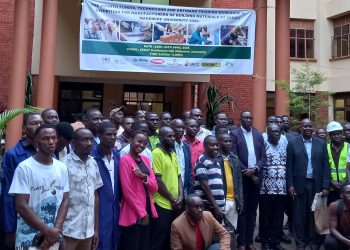
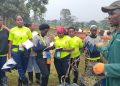
At least 231 Climate Action Champions have also been trained to mobilise communities, educate residents about environmental laws and promote sustainable management of natural resources.
The champions are further helping women, young people and persons with disabilities participate in environmental planning and decision-making.
Among those taking the lead is the Local Council III Chairperson of Rhino Camp Sub-County in Madi Okollo District, who has been trained as a Climate Action Champion and is using his leadership position to promote environmental protection.
Communities embrace sustainable alternatives
Beyond raising awareness, the SEA-WNK Project is supporting practical interventions to reduce pressure on forests, wetlands and other natural resources.
In Obongi and Zombo districts, joint monitoring exercises involving local authorities, enforcement teams and community leaders have helped discourage wetland encroachment and cultivation along river buffer zones.
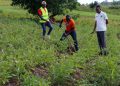
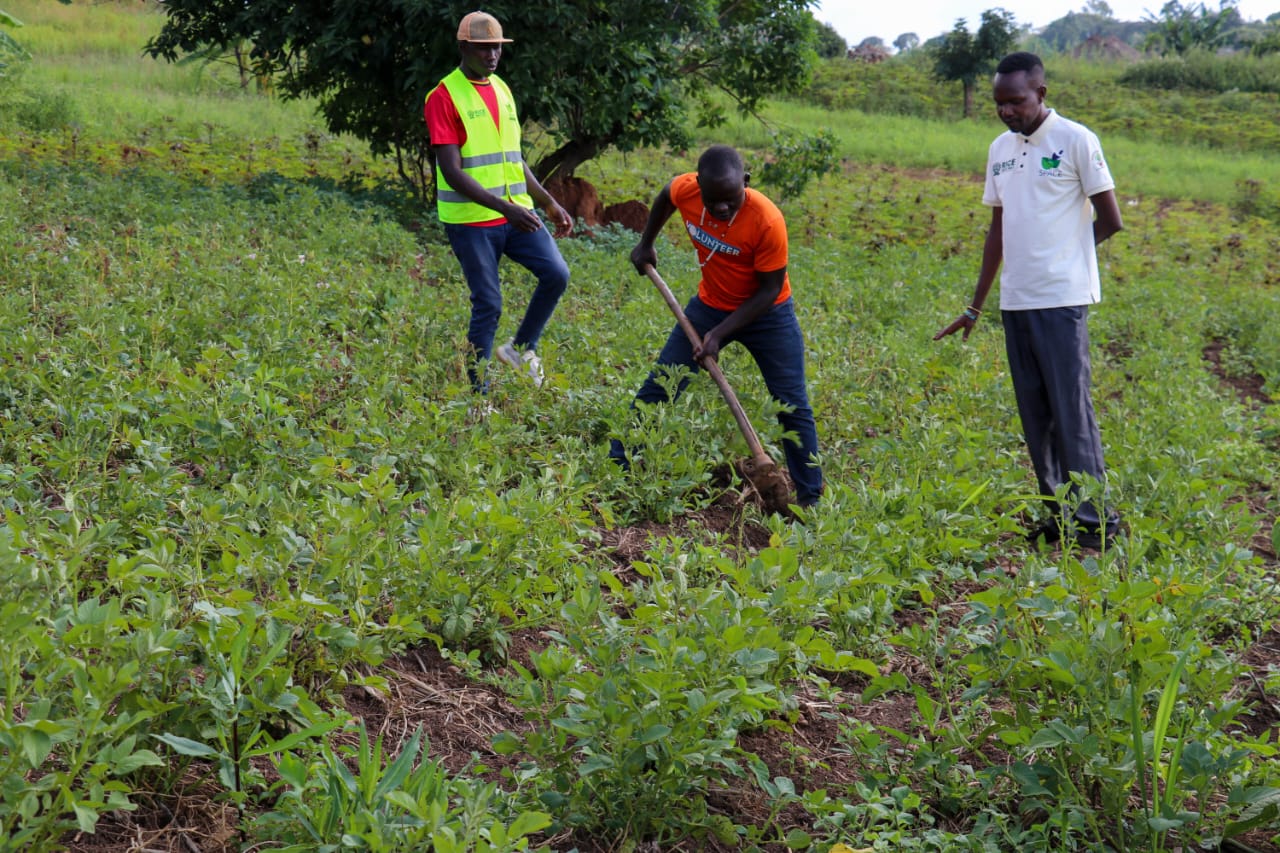
Residents are also being encouraged to abandon illegal sand mining and adopt environmentally friendly practices such as tree planting, mulching, crop rotation and Farmer Managed Natural Regeneration.
In Obongi, refugee and host-community youth groups, including the Ngoma group, are shifting away from charcoal burning towards alternative income-generating activities such as irrigated horticulture, maize production and collective savings.
In neighbouring Adjumani District, households are adopting locally constructed Lorena energy-saving cookstoves to reduce firewood consumption and indoor air pollution.
In Karamoja, farmers in Nakapiripirit are embracing diversified farming and community savings initiatives as alternatives to tree cutting and charcoal production.
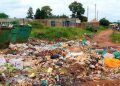
Residents and local authorities in Namalu Town have also introduced monthly community clean-up exercises and improved public waste management practices.
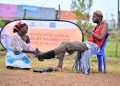
The project is also promoting inclusive environmental conservation, with farmers with disabilities in Amudat actively participating in community-led protection initiatives.
For stove builder Iya Samuel, the benefits of the intervention go beyond reducing household energy costs.
“Protecting the environment is everyone’s responsibility. When you build one stove, you save many trees,” Samuel said.
Limited resources undermine environmental enforcement
Despite the progress, inadequate funding, understaffing and limited transport remain major challenges affecting district environmental departments’ ability to conduct regular inspections and enforce environmental regulations.
Many households, especially in refugee-hosting communities, continue to depend on charcoal production and wetland cultivation for survival because of limited access to land, capital and sustainable livelihood opportunities.
Farmer Sagal Samuel has called for increased financial support to help communities transition to environmentally friendly economic activities.
“We urge ACEMP and other partners to provide more financial boost,” Samuel said, calling for investment in solar-powered irrigation, quality seedlings, regular training and beehives.
The project is also working to strengthen accountability by enabling residents to identify environmental violations, report offenders and demand action from responsible authorities.
Through engagement with local governments, communities are increasingly participating in decisions concerning the protection and management of natural resources.
Project seeks sustained investment in conservation
The need for continued investment in environmental protection is highlighted by growing concerns over forest and wetland degradation.
Data from Global Forest Watch indicates that Madi Okollo lost 20 hectares of tree cover between 2010 and 2023, while a 2026 assessment found that nearly one-third of the Lake Opeta wetland system had already been degraded.
The situation has been compounded by limited funding for refugee responses, increasing pressure on natural resources in communities hosting refugees.
As the SEA-WNK Project moves towards its final implementation phase in late 2027, its leadership is prioritising stronger district budget commitments for environmental enforcement, partnerships with private sector players and financial institutions, and increased investment in alternative livelihoods.
The project has also faced operational challenges, including Ebola-related precautions, election-season disruptions and difficult terrain in Karamoja.
Nevertheless, its interventions continue to demonstrate the importance of involving communities directly in environmental protection while addressing the economic pressures that drive destructive practices.
Through the initiative, communities are not only gaining knowledge about environmental conservation but are also developing practical skills, alternative livelihoods and stronger mechanisms for holding local leaders and institutions accountable.
The project’s experience points to the need for a broader approach to environmental protection, combining effective enforcement of environmental laws with empowered communities, responsive local governments and sustainable economic opportunities.