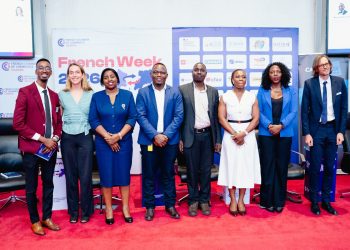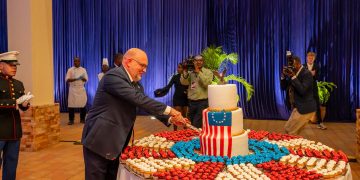



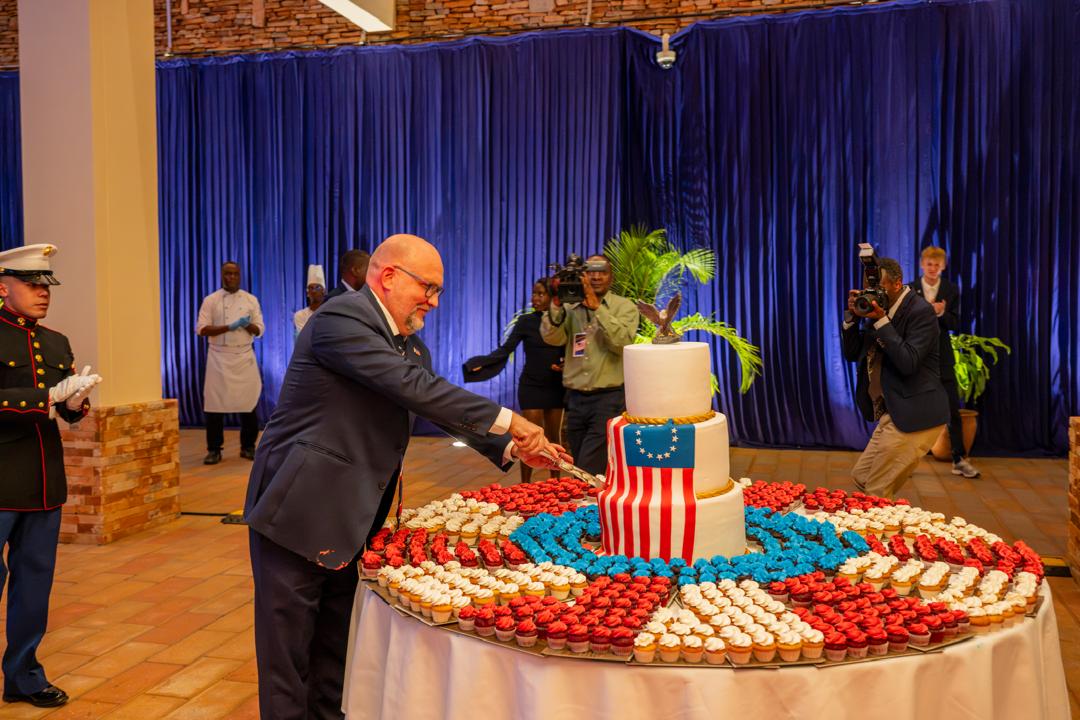
The United States Embassy in Uganda has used its National Day celebration to spotlight the growing partnership between Washington and Kampala as America marks 250 years since declaring independence.
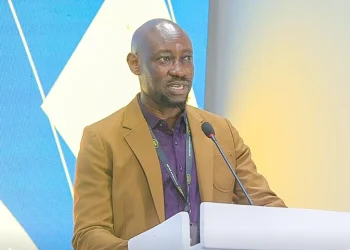
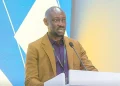
The anniversary event brought together U.S. and Ugandan stakeholders to reflect on the history of the United States while highlighting areas where the two countries are working together, including healthcare, investment, technology, education and cultural exchange.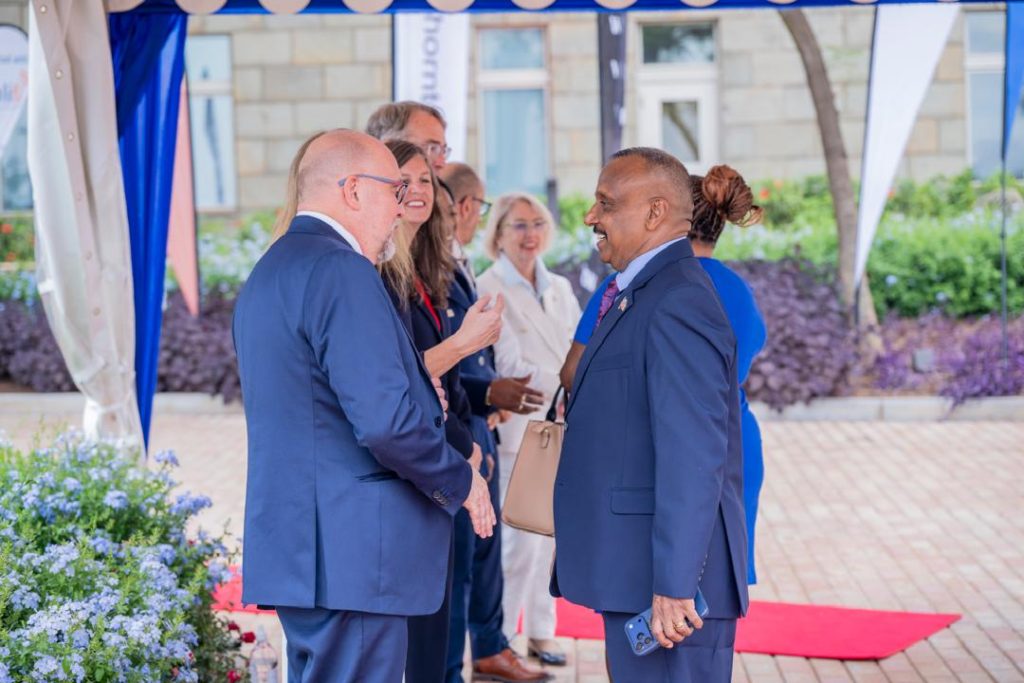 Speaking at the celebration, U.S. Chargé d’Affaires Mikael Cleverley said the anniversary offered an opportunity to recognize the determination and creativity that have shaped the United States and continue to influence its engagement with other countries.
Cleverley said qualities such as innovation, transparency, enterprise and creativity remain central to the way the United States approaches partnerships, including its relationship with Uganda.
Health cooperation was among the major areas highlighted at the event. The two governments have committed to a new health cooperation framework worth $2.3 billion, with the United States pledging up to $1.7 billion and Uganda committing more than $570 million in additional domestic health expenditure.
The arrangement is expected to support programmes targeting HIV/AIDS, malaria, tuberculosis and emerging infectious diseases, while also strengthening Uganda’s ability to respond to future health emergencies.
The embassy said the new agreement builds on more than two decades of American support for Uganda’s health sector and wider efforts to control disease outbreaks.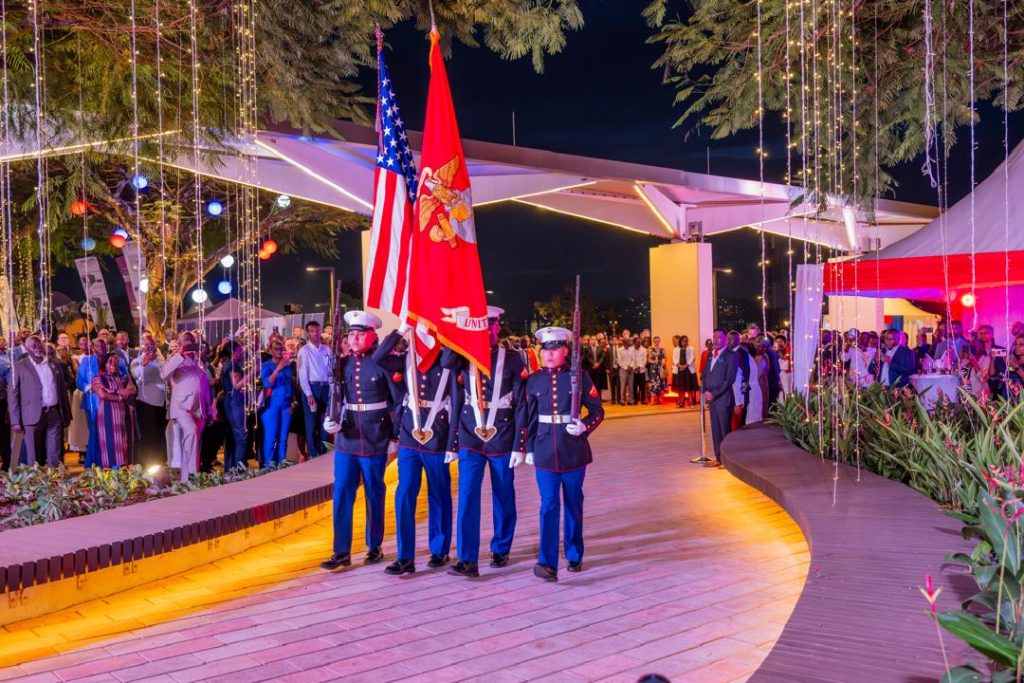 The United States also continues to provide significant humanitarian assistance to Uganda, with the embassy saying it is adopting new approaches intended to improve the delivery and accountability of emergency support.
Economic and technological cooperation was another focus of the celebrations.
The recent entry of Starlink into the Ugandan market was cited as an example of expanding American technology investment. The satellite internet company began service in Uganda on September 1 after obtaining a five-year provisional licence from the government.
The aviation sector has also emerged as a major area of commercial cooperation. Uganda Airlines and Boeing signed a $2.37 billion agreement for 10 aircraft in June, a deal the embassy described as the biggest single commercial transaction between the two countries.
The U.S. Embassy said it is pursuing further opportunities with American companies in sectors including agriculture, tourism, minerals, science and technology, with potential investments running into hundreds of millions of dollars.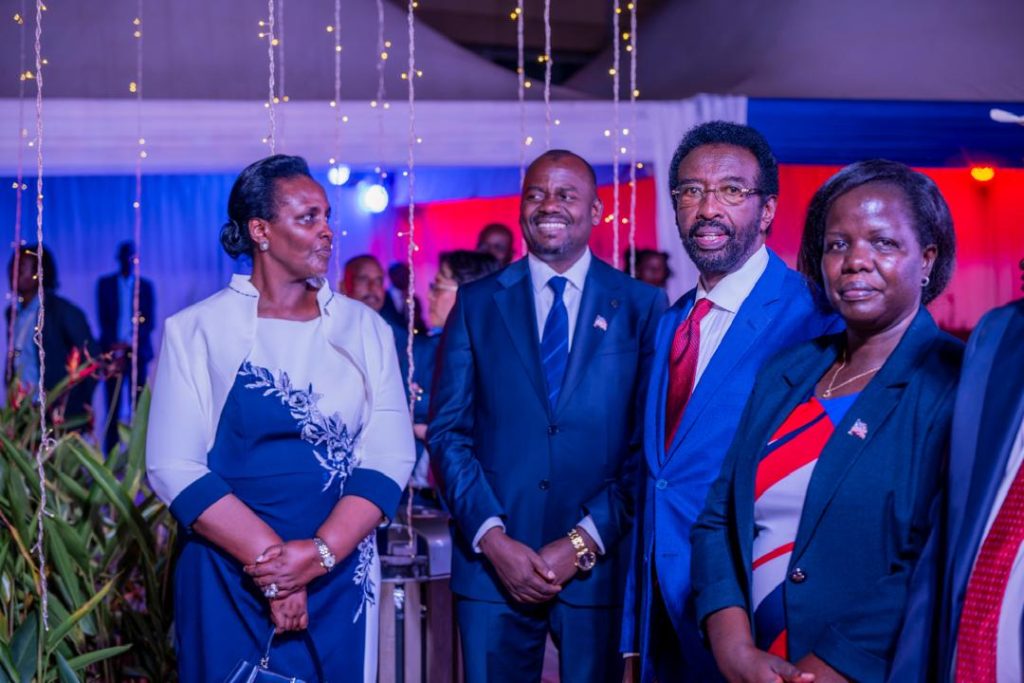 The hospitality sector has also attracted attention, with the opening of the Kampala Marriott Hotel and Executive Apartments in Nsambya cited as a sign of growing investor interest in Uganda’s tourism industry.
Beyond business and government-to-government relations, the embassy emphasized the importance of people-to-people connections.
American-Ugandan exchanges date back more than a century, including Theodore Roosevelt’s 1909 visit to Uganda during a scientific expedition. Since then, educational, cultural and professional exchanges have created a network of more than 6,000 Ugandan alumni of U.S. exchange programmes.
The American Center, opened in Uganda in January, has added another platform for cultural and educational engagement, attracting Ugandans seeking information, training and opportunities for connection.
Sports have also become part of the relationship. Uganda’s Ghetto Kids recently performed alongside global music star Shakira at the FIFA World Cup final, while Uganda’s role as a co-host of the Africa Cup of Nations next year is expected to create further opportunities for sports and cultural diplomacy.