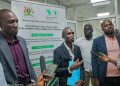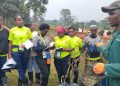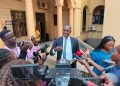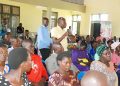



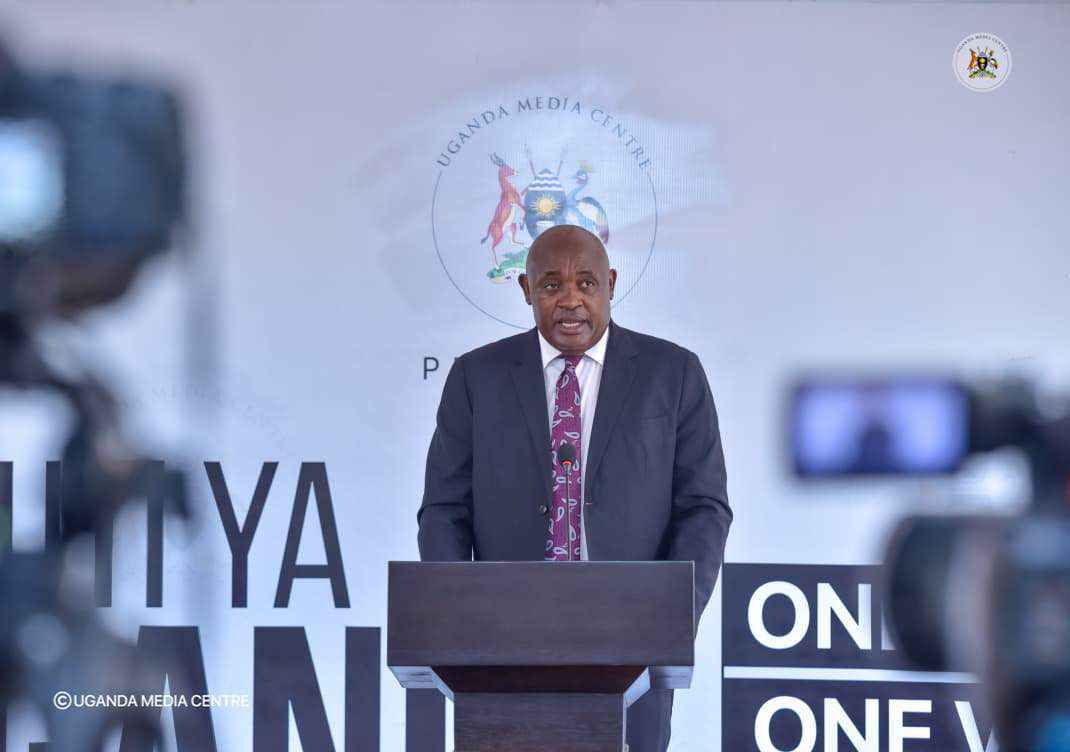
KAMPALA, Uganda – Uganda has officially declared the end of the 2026 Ebola Disease outbreak after completing the mandatory 42-day monitoring period without recording any new infections, the Ministry of Health announced on Tuesday.
Health Minister Dr. Chris Baryomunsi said the country is now Ebola-free following intensive nationwide surveillance after the last locally transmitted patient was discharged on June 16, 2026.
The ministry said no new Ebola cases were detected during the monitoring period, confirming that the outbreak had been successfully contained.
Uganda declared the outbreak on May 15, 2026, after confirming imported cases from the Democratic Republic of the Congo. During the outbreak, the country recorded 20 confirmed cases, with 18 patients recovering and two deaths.
According to the ministry, 15 of the confirmed cases were imported from the DRC, while five Ugandan health workers contracted the virus while caring for infected patients.
Health officials explained that, unlike previous Ebola outbreaks, the 2026 outbreak originated from a fully documented importation event. Authorities were able to identify the source of infection, trace all transmission chains, quarantine every identified contact, and complete the required 21-day follow-up without detecting further transmission.
The ministry also noted that advances in public health technology—including rapid molecular testing, whole genome sequencing, digital surveillance, real-time contact tracing, and strengthened emergency response systems—played a crucial role in bringing the outbreak under control.
Genomic analysis confirmed that the virus involved was a distinct Bundibugyo virus variant, with scientists continuing further studies to better understand its emergence.
The Ministry of Health acknowledged that the traditional 42-day waiting period remains an important global public health safeguard but said scientific advances now provide greater certainty in determining when transmission has ended, particularly in outbreaks linked to well-documented imported cases.
Officials credited Uganda’s success to years of investment in strengthening the country’s public health system, enabling rapid case detection, effective contact tracing, quality patient care, improved laboratory services, and strong community engagement.
The ministry also praised frontline health workers, local governments, community health workers, security agencies, researchers, development partners, the media, and communities for their dedication throughout the response.
Despite declaring the outbreak over, the government warned that Ebola remains a regional threat as the outbreak in the DRC continues.
To strengthen regional preparedness, Uganda signed a Memorandum of Understanding with the DRC to implement a joint cross-border Ebola response. The government has also established two mobile laboratories and an 80-bed Ebola Treatment Unit in Aru and Kasenyi in eastern DRC to help contain the outbreak at its source.
The Ministry of Health urged border communities to remain vigilant and report any illegal border crossings or suspected Ebola cases to the nearest health facility. The public can also report suspected cases through the toll-free line 0800-100-066 or by sending an SMS to 6767.