


Uganda has stepped up its national disaster preparedness efforts following the conclusion of a large-scale, multi-agency emergency response exercise led by the Uganda People’s Defence Forces, as authorities warn that protecting lives and property must remain a top state priority.
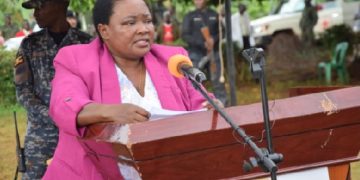
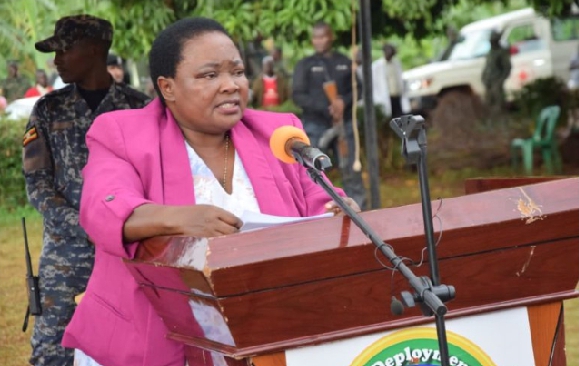
Speaking at the closing ceremony of the two-week “Okoa Maisha 26” exercise in eastern Uganda, Prime Minister Robinah Nabbanja stressed that disaster readiness is “non-negotiable,” highlighting the government’s obligation to invest in planning and capacity building amid increasing environmental risks.
The drills were held in Bulambuli District, a region on the slopes of Mount Elgon that has frequently experienced deadly landslides.
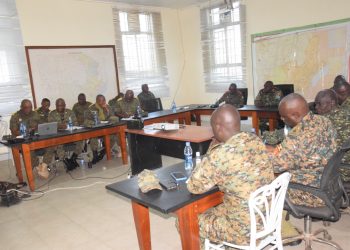
The exercise, conducted by the military’s rapid deployment units in coordination with civilian agencies, simulated real-world disaster scenarios ranging from flooding to structural collapse and wildfires.
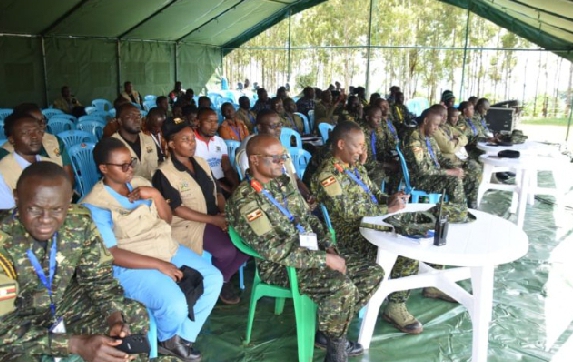
Officials said the training reflects Uganda’s growing focus on coordinated, multi-sectoral responses to emergencies, bringing together the military, government institutions, and humanitarian partners.
Relief and disaster preparedness minister Hillary Onek emphasized that the armed forces now play a central role in national emergency response frameworks, working alongside civilian authorities to manage crises.
He added that relocation efforts for communities affected by landslides and floods in the Elgon region are ongoing.
Senior defence officials echoed the call for readiness, with a message delivered on behalf of Chief of Defence Forces Muhoozi Kainerugaba urging troops to remain composed and effective in chaotic disaster environments, where rapid, skilled intervention can save lives.
Exercise director Major General Joseph Ssemwanga said the choice of Bulambuli underscored the importance of preparing in high-risk areas, noting that disaster response requires seamless coordination across sectors.
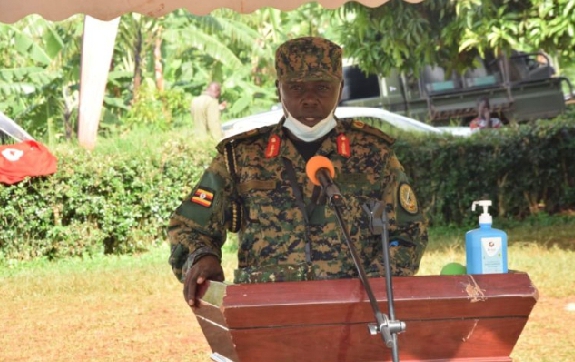
Meanwhile, Brigadier General Ernest Nuwagaba highlighted the military’s constitutional mandate to support civil authorities during emergencies, reinforcing a broader government strategy that integrates security forces into public service roles.
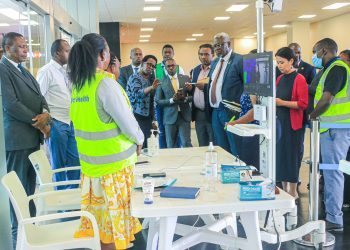
Local officials described the exercise as a milestone for the Elgon region, pointing to tangible community benefits such as a parallel medical outreach that treated more than 2,000 residents.
Cultural leaders from the Bugisu sub-region also voiced support for continued collaboration with government initiatives.
The “Okoa Maisha 26” drills mark one of Uganda’s most comprehensive recent efforts to strengthen disaster resilience, as authorities seek to better prepare for increasingly frequent natural hazards linked to climate and environmental pressures.