


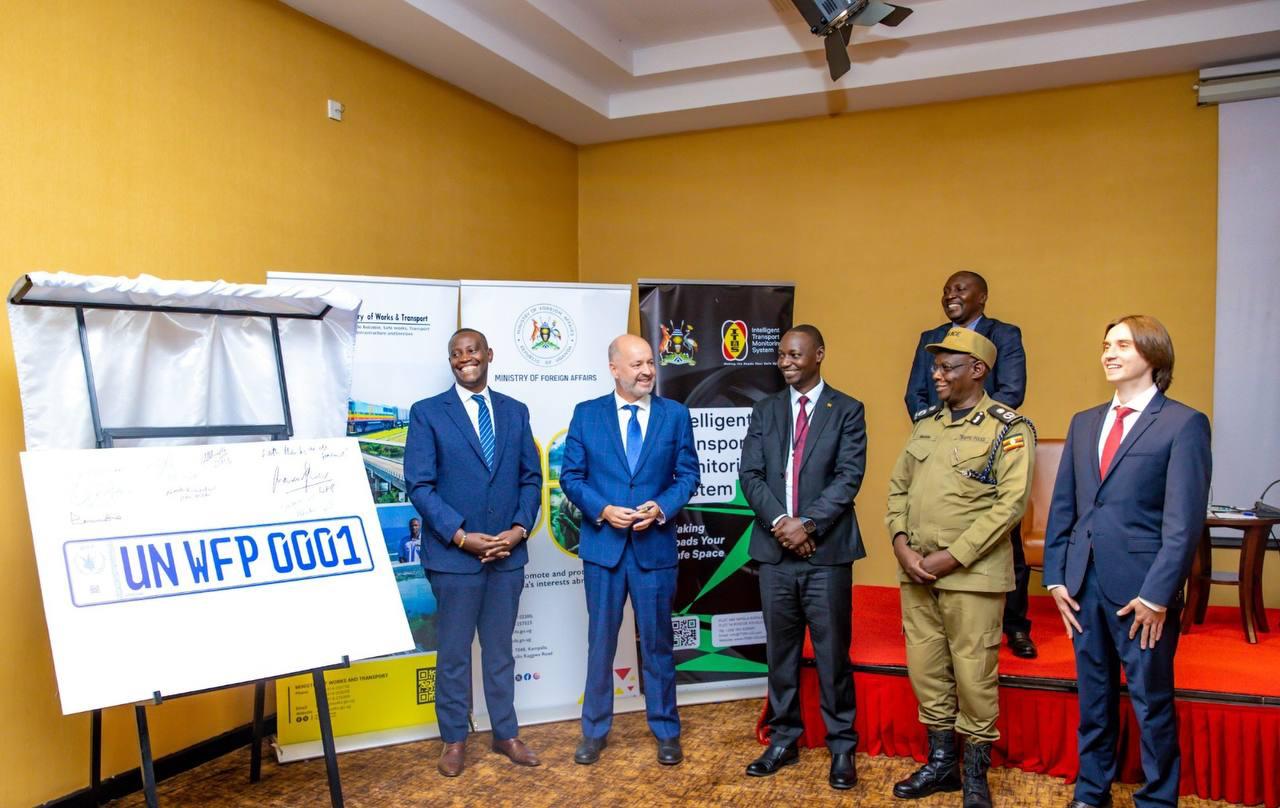
Uganda is driving a new era of humanitarian logistics while creating jobs for thousands, thanks to the launch of special United Nations World Food Programme (WFP) vehicle number plates designed to fast-track emergency response across Africa.
Beyond their life-saving mission, the initiative is already generating opportunities in transport, vehicle maintenance, and supply chains, offering vital skills and employment to Ugandans.
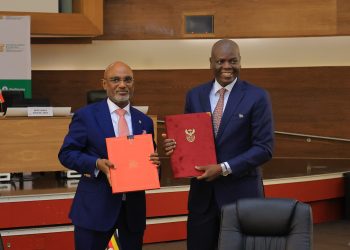
Unveiled at Speke Resort Convention Centre, the plates mark the establishment of Kampala as the home of the WFP Global Fleet Hub, a strategic center for rapid humanitarian response across the continent.
Unlike traditional registration, these distinctive plates allow emergency vehicles to bypass long cross-border bureaucracies, slashing delivery times from weeks to mere days, or even hours, during crises such as floods, droughts, disease outbreaks, and conflict-driven displacement.
“This is a breakthrough in how fast humanitarian assistance can reach people in need,” said Ambassador Charles Ssentongo of the Ministry of Foreign Affairs.
“Uganda is proud to be at the center of this life-saving network, which also creates jobs and skills for our young people, from drivers and mechanics to logistics personnel,” he added.

The launch represents the culmination of Uganda’s broader transport modernization strategy.
Acting Commissioner Apollo Kashanku of the Ministry of Works and Transport noted that the project builds on the country’s Intelligent Transport Monitoring System, which introduced digital vehicle plates embedded with electronic chips for real-time tracking.
These same technologies now power the WFP fleet, ensuring that relief convoys can move seamlessly across borders without delays.
“This is the first number plate of its kind,” Kashanku explained. “It is not linked to any country, enabling vehicles to travel from Uganda through East and Southern Africa to South Africa without border obstacles. It’s a game-changer for both speed and cost-effectiveness in humanitarian logistics.”
For WFP officials, the new plates and hub signify a transformation in Africa’s emergency response capacity. Deputy Country Director Marcus Prior emphasized that Kampala will serve as a launch point for rapid deployment of emergency supplies across the continent.
“Every hour matters when people are displaced or livelihoods are threatened. These plates remove bureaucratic barriers and ensure aid reaches those who need it most,” he said.
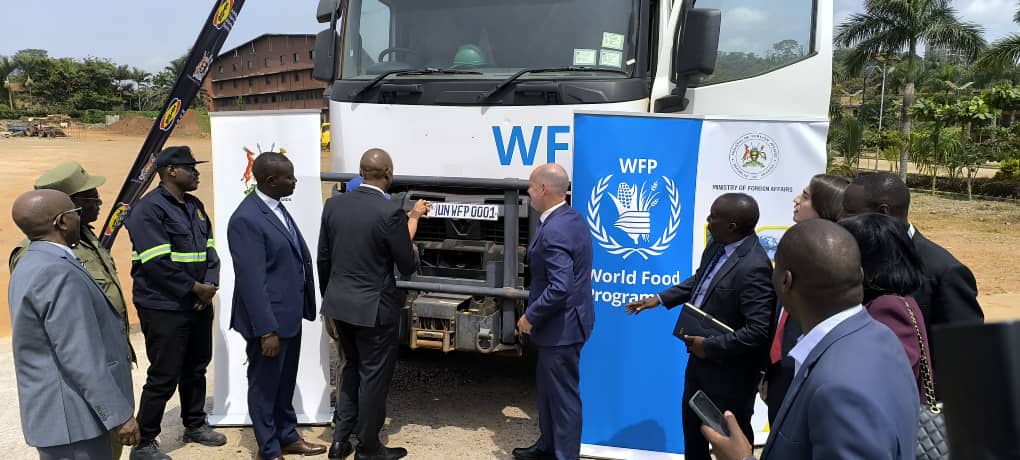
The initiative is also expected to bolster Uganda’s position as a regional logistics hub, attracting further investment and training opportunities while supporting both national and international humanitarian efforts.
In 2024 alone, WFP Uganda delivered nearly 174,000 metric tons of food to more than 2 million people and coordinated thousands of metric tons of partner relief supplies across five neighboring countries.
Joseph Tumwine, Head of Installation at the Intelligent Transport Monitoring System, highlighted the technological edge: “The QR codes and unique identifiers on these plates allow instant, real-time tracking of every truck. This visibility not only speeds up aid delivery but also strengthens accountability and efficiency across the entire supply chain.”