A humanitarian worker who was supporting the Ebola response in the Democratic Republic of Congo (DRC) has been transferred to a London hospital for monitoring after a possible exposure to the virus.
Reports indicate that, the UK Health Security Agency (UKHSA) confirmed that the individual, a UK resident whose identity has not been released, is currently well and has shown no symptoms of Ebola. The transfer was carried out as a precaution to ensure close medical observation during the virus’s incubation period.
Health officials said the risk to the wider public remains very low. The worker is being assessed in isolation at a specialist London facility while doctors monitor for any signs of illness.
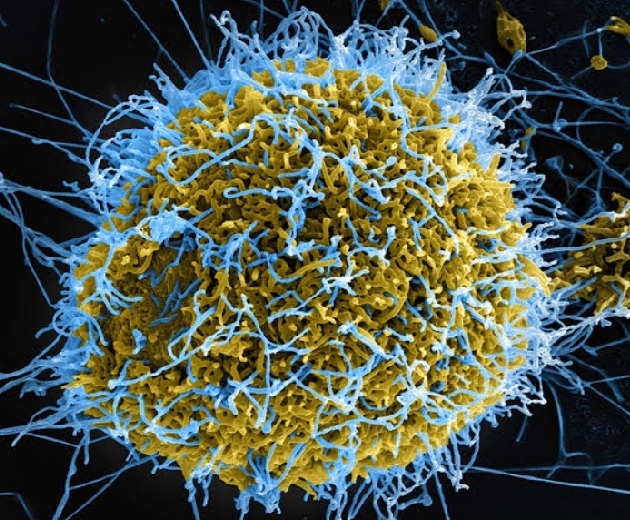
Ebola is a severe viral disease that can be life-threatening.
Unlike respiratory infections such as influenza or COVID-19, Ebola does not spread through the air. It is transmitted through direct contact with infected body fluids.
The illness usually begins suddenly, with symptoms such as fever, headache, weakness, and tiredness.
As the disease progresses, patients may develop vomiting, diarrhoea, and in some cases internal or external bleeding. Severe infections can lead to organ failure.
Richard Pebody, director of epidemic and emerging infections at UKHSA, said the precautionary measures were taken because of the seriousness of Ebola, while emphasising that there are no confirmed Ebola cases currently in the UK.
The humanitarian worker had been involved in supporting efforts to control an Ebola outbreak in eastern DRC, where health authorities have reported thousands of confirmed cases and hundreds of deaths since the outbreak began.
The current outbreak is caused by the Bundibugyo strain of Ebola, a rare form of the virus for which there is currently no approved vaccine.
Researchers are continuing to develop vaccines and treatments to improve protection against future outbreaks.
The World Health Organization has described the DRC outbreak as one of the most serious Ebola outbreaks recorded. Uganda has also reported cases linked to the wider regional spread of the virus.
Previous Ebola cases in the UK occurred between 2014 and 2015, involving healthcare workers returning from West Africa. All recovered, and no further transmission occurred.