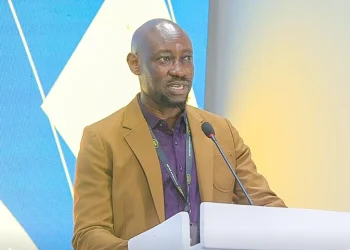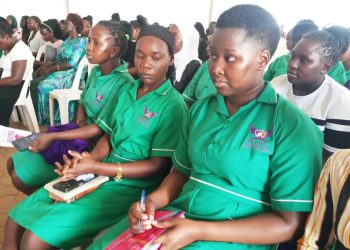



Walimu Cooperative Union says it has cut the teachers’ loan arrears it inherited this year from Shs11 billion to about Shs7 billion. Union officials also dismissed accusations that the money had been mismanaged.
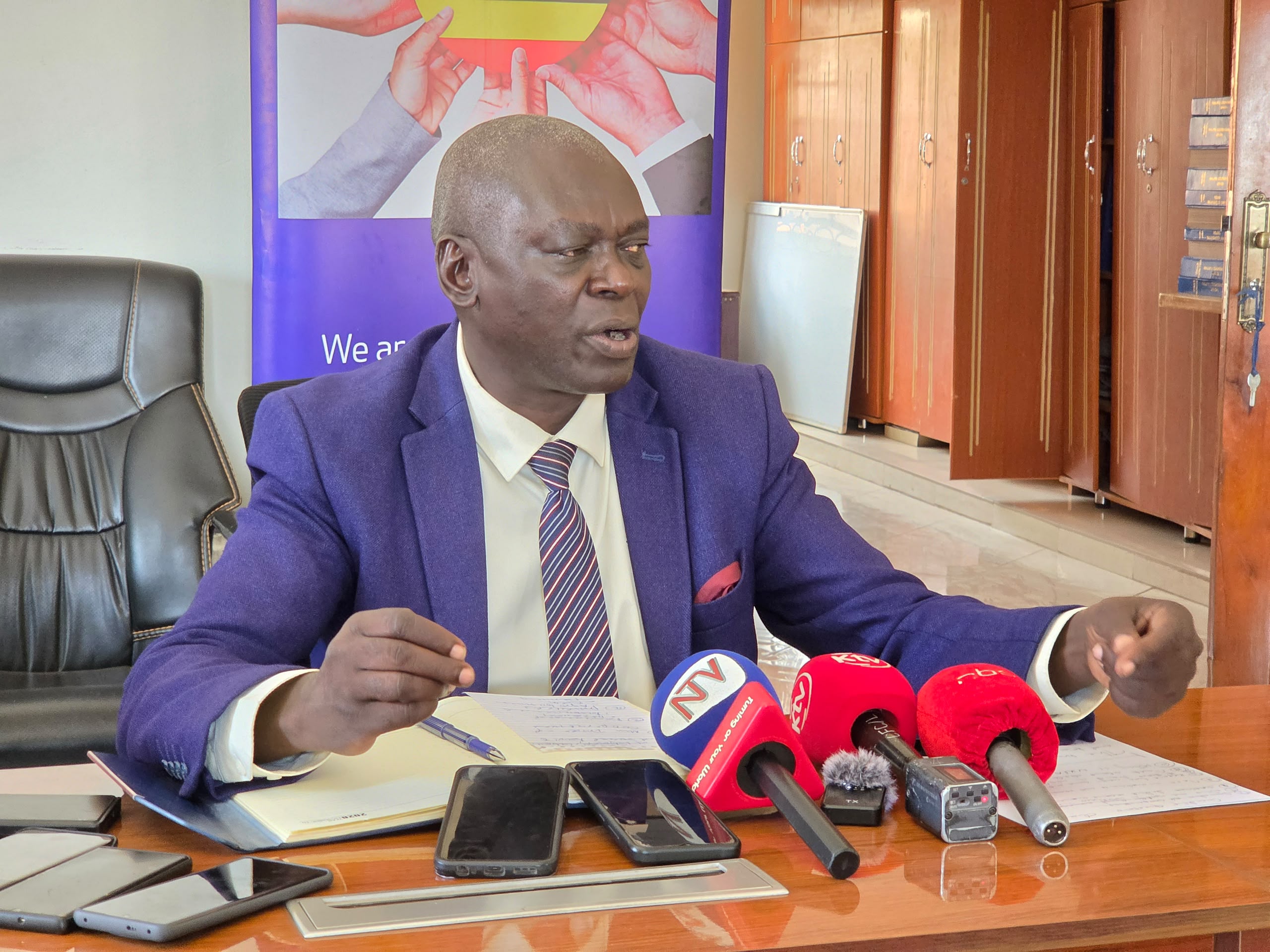
Finance and Administration Manager Robert Odeke Omongin spoke at a media briefing at the union’s headquarters in Kampala on Saturday. He said the improvement came from a new digital recovery system.
“We are recovering steadily. From 11, about 7. Why? Because of the system,” Odeke said.
The union is under pressure to reduce the arrears further. The Registrar of Cooperative Societies has given it until 31 January, when the annual general meeting is due. Odeke said the union expects to have about Shs5 billion outstanding by then if all goes well.
The briefing was called after NBS Television aired a story in which the Uganda National Teachers’ Union (UNATU) accused Walimu of mismanaging teachers’ funds. Walimu Communications Officer Ivan Bwowe said the union was not asked for its side before the story ran. He said NBS had since offered it airtime to respond.
Walimu officials said UNATU General Secretary Filbert Baguma is among the borrowers who have not repaid their loans. They linked his borrowing to Centenary Bank’s Kabale branch. The officials alleged that when the union demanded payment, Baguma began rallying teachers and UNATU to accuse Walimu of mismanagement.
Bwowe said the union would give journalists records showing when, how and where the money was given out.
Odeke said the Shs11 billion was not missing but held by member cooperatives that had defaulted. The union was formed to manage a Shs25 billion government grant that President Museveni pledged for teachers. It lends through 275 primary cooperatives, which pass the money on to individual teachers.
“The funds are with the members. What brings conflict is the members who are defaulters,” Odeke said. He added that most of the defaulters hold leadership positions in UNATU at district and regional level.
Odeke said the defaults date back to a manual system in which primary cooperatives repaid with post-dated cheques. Many of those cheques bounced. He said some teachers borrowed beyond their ability to pay and later took loans from commercial banks.
Salary deductions are legally capped at about 49 per cent. According to Odeke, this has left Walimu recovering as little as Shs10,000 to Shs20,000 a month from some teachers with loans running into millions of shillings. He said the union now places a reservation on a defaulter’s payroll deduction code, so that recovery begins as soon as a bank loan is cleared.
He said the union had pursued the money through mediation and arbitration chaired by the Registrar of Cooperative Societies before going to court, where it recovered about Shs2 billion. It lost cases worth about Shs4 billion on the grounds that the loans were issued before Walimu held a lending licence. Odeke said the union has appealed and is asking borrowers to repay the principal while forgoing the interest.

“The medicine of any debt is to pay,” he said.
Odeke said the union’s books had been examined by the Inspectorate of Government, the State House Anti-Corruption Unit, the CID, the Auditor General and Parliament. He also said cooperative disputes are civil matters that must go through the union’s internal structures before reaching court.
Board Chairperson Steven Oringa, who was elected on 27 June, said the two organisations serve the same teachers but do different jobs. UNATU is a labour union focused on advocacy, while Walimu is a cooperative regulated by the Ministry of Trade and Cooperatives and answerable to its annual general meeting.
“We have never spoken, we have never said anything wrong about our colleagues, about UNATU,” Oringa said. He asked the teachers’ union to raise any grievances through the cooperative’s structures.
Odeke said UNATU officials previously sat on Walimu’s board and supervisory committee as ex officio members before leaving.
Oringa said teachers can now apply for loans on their phones through the Walimu App. The system checks their payroll details and credit history, and works out how much they can afford. Repayments are deducted from salaries once the employer signs a letter of undertaking.
The union lends to primary cooperatives at eight per cent a year and to individual teachers at 15 per cent on a reducing balance. Odeke said a USSD code, *251#, approved by the Uganda Communications Commission, will be launched next month for teachers without smartphones.
He put the union’s loan portfolio at about Shs9 billion, with monthly recoveries of between Shs500 million and Shs800 million.