


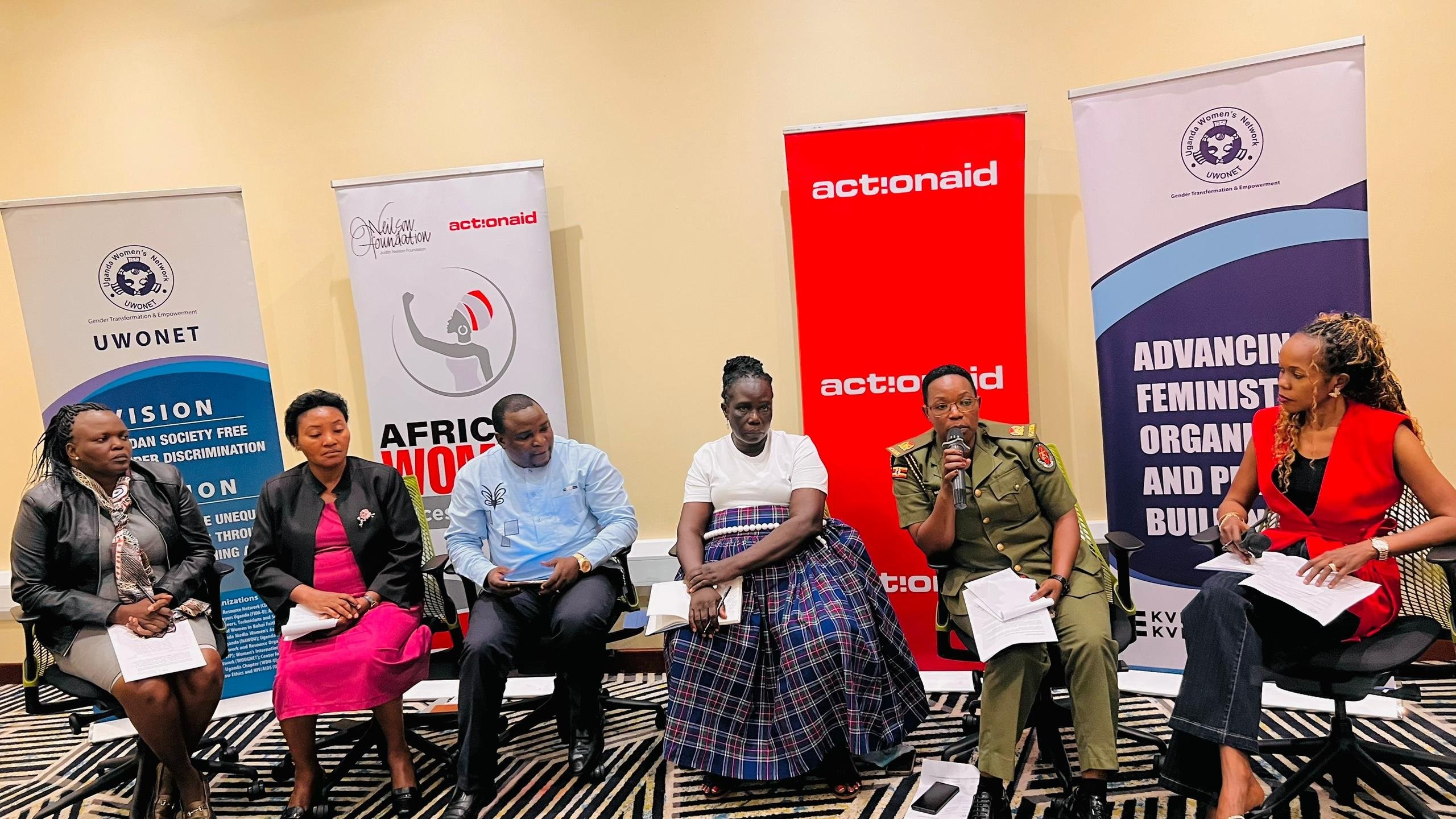
Despite strides made in advancing women’s involvement in peacebuilding, Ugandan women leaders and civil society actors are sounding the alarm on persistent gaps that continue to limit women’s participation in shaping peace and security policies.
Speaking at a national-level convening on the Women, Peace, and Security (WPS) agenda, key stakeholders emphasized that while women remain among the most affected by conflict, they continue to be sidelined in decision-making processes.
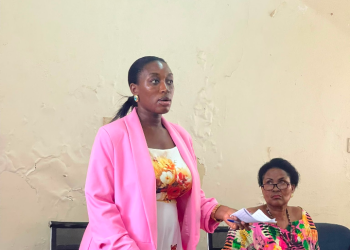
“During times of conflict, women are affected the most,” said Rita Aciro Lakor, Executive Director of the Uganda Women’s Network (UWONET). “You cannot talk about peace and security without involving women.”
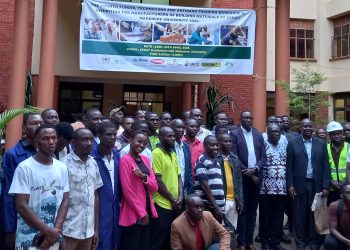
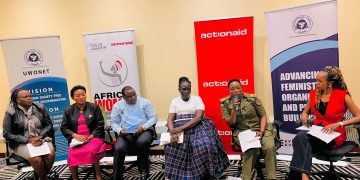
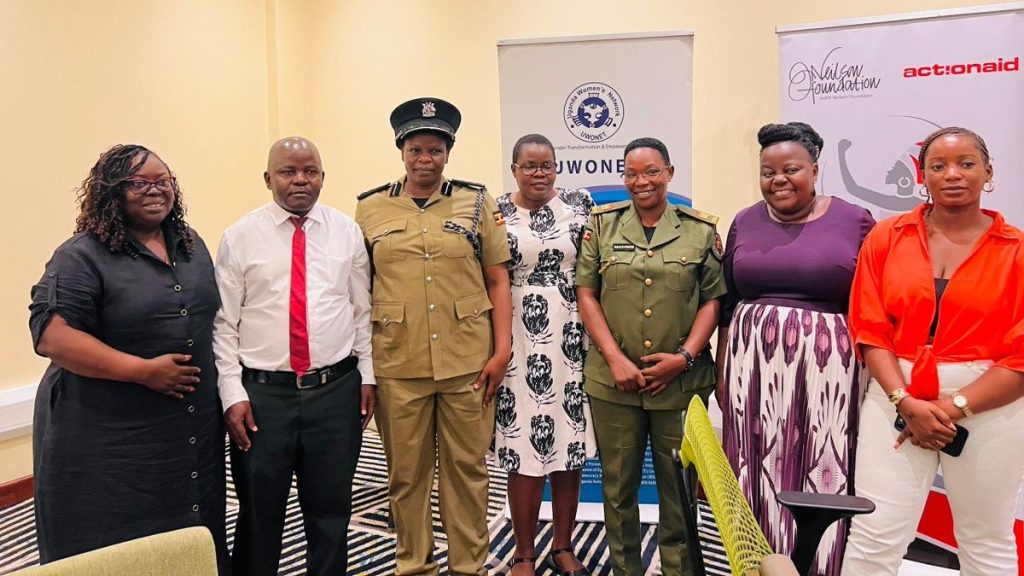
Organized by UWONET in collaboration with ActionAid International Uganda (AAIU), the forum brought together government officials, civil society actors, development partners, and community leaders to evaluate progress under Uganda’s National Action Plan III (NAP III) on WPS and to begin shaping the next phase, NAP IV.
With NAP III (2020–2025) nearing its end, Aciro underscored the urgency of removing barriers that still impede women’s full participation in peacebuilding processes.
“At the heart of NAP III is a vision for a peaceful and inclusive Uganda, one in which women are not merely survivors of conflict but agents of change, mediators, and decision-makers,” she said.
The convening coincided with the 25th anniversary of the landmark United Nations Security Council Resolution 1325 on WPS, a global commitment to recognizing women’s roles in conflict resolution. Aciro used the occasion to call for reflection, reinvigoration, and renewed investment.
Progress made, but gaps remain
While Uganda has seen progress, particularly through community-level engagements and policy reform, systemic challenges persist.
These include entrenched cultural norms, political monetization, weak grassroots coordination, and gender-based violence.
Presenting findings from the NAP III Issues Paper, Albert Mwesigwa cited several pressing concerns: limited access to alternative energy for women, poor awareness of existing legal protections, and land conflicts that continue to disproportionately affect women.
“Peace agreements are 35% more likely to last 15 years if women are involved,” he noted, emphasizing the strategic importance of women’s participation.
Mwesigwa highlighted Uganda’s own history of women-led peace initiatives, from the efforts of grassroots women in Acholi, Lango, and Teso sub-regions to national figures like Betty Bigombe, who played a central role in negotiating peace during the Lord’s Resistance Army conflict.
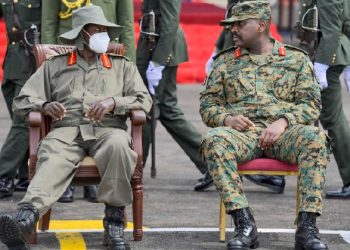
Major Jacquelyn Nakayenze from the Uganda People’s Defence Forces (UPDF) Gender Unit stressed the growing presence of women in peacekeeping and security roles but acknowledged the stark gender imbalance in leadership.
“Women are there, but their numbers are still too small,” she said, calling for gender-responsive recruitment, greater recognition of female trailblazers in uniform, and investment in leadership training.
Former Leader of Opposition, Winnie Kiiza challenged the prevailing political culture that often sidelines women.
“Good governance means leaving no one behind,” she said, citing voter manipulation, monetization and militarization of politics, and gender-based violence, as key barriers to civic participation.
Others highlighted the intersection of gender and climate crises.
Raymond Ruyoka, Director of the Youth Advocacy and Development Network, said women face increased vulnerability to climate shocks yet remain underrepresented in policy-making. “Their voices must be central to shaping peace, security, and climate action,” he urged.
As Uganda looks ahead to the development of NAP IV, participants emphasized the need for stronger documentation of progress, increased funding, and better coordination across sectors.
Marion Akiteng, Gender Officer at the Centre for Conflict Resolution, called for a more deliberate effort to track and link local initiatives to national frameworks. “There’s still a gap in documentation and data, and that weakens our advocacy,” she said.
In closing, AAIU’s Acting Programmes and Fundraising Officer, Emmanuel Omen urged stakeholders to move beyond rhetoric. “This moment must go beyond dialogue. It must ignite accountability and sustained coordination,” he said.
Principal Gender Officer at the Ministry of Gender, Labour and Social Development, Richard Kityo, lauded the collective effort, urging continued collaboration, especially in light of the upcoming review of the Solemn Declaration on Gender Equality in Africa.
As Uganda navigates the final year of NAP III, the message from women leaders is clear: inclusion is not a favor, it is a necessity for sustainable peace.