


KAMPALA, Uganda (UGNEWSLINE) – Uganda government has been urged to increase domestic funding for women’s peace and security programmes as donor support continues to decline, threatening efforts to protect women and girls and strengthen their participation in conflict prevention and peacebuilding.
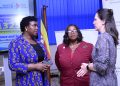
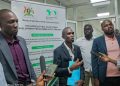
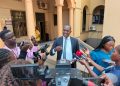
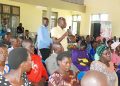
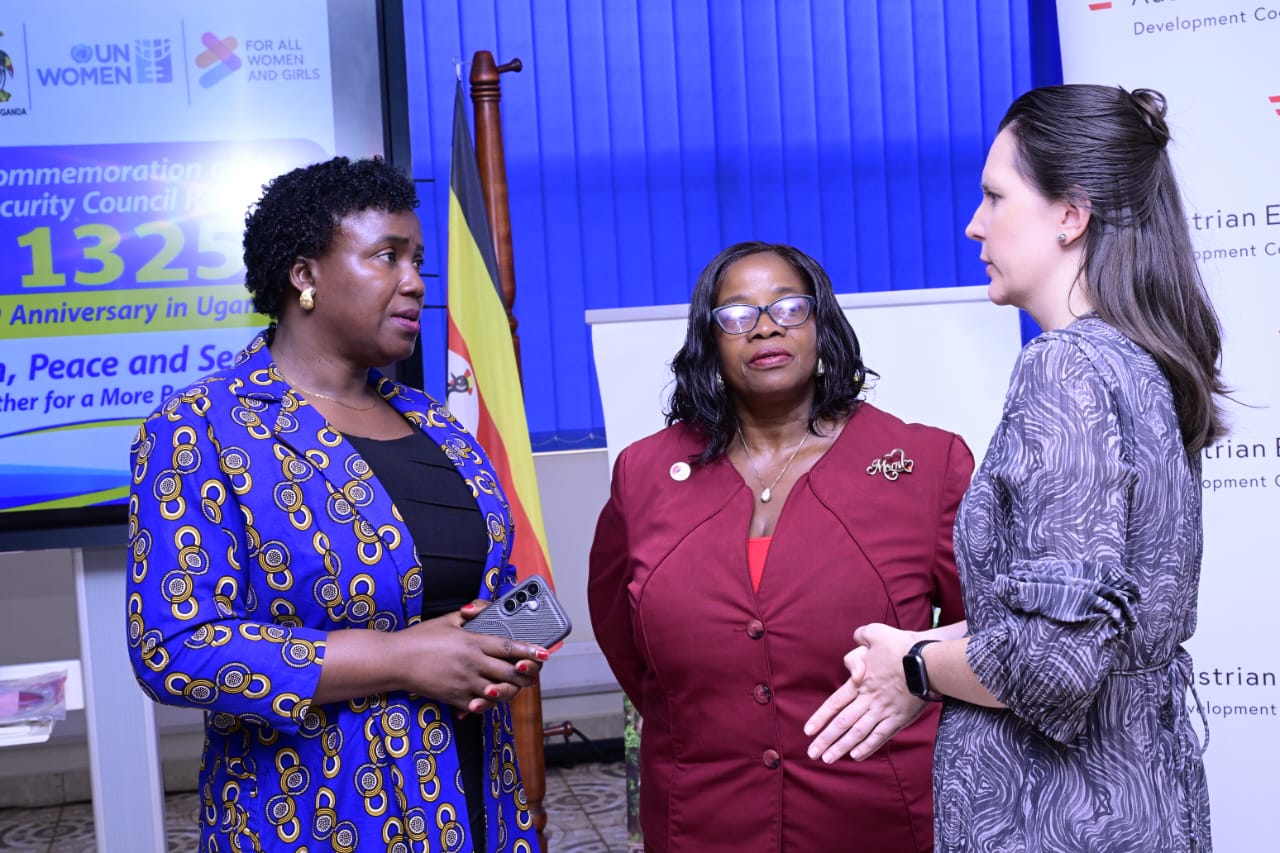
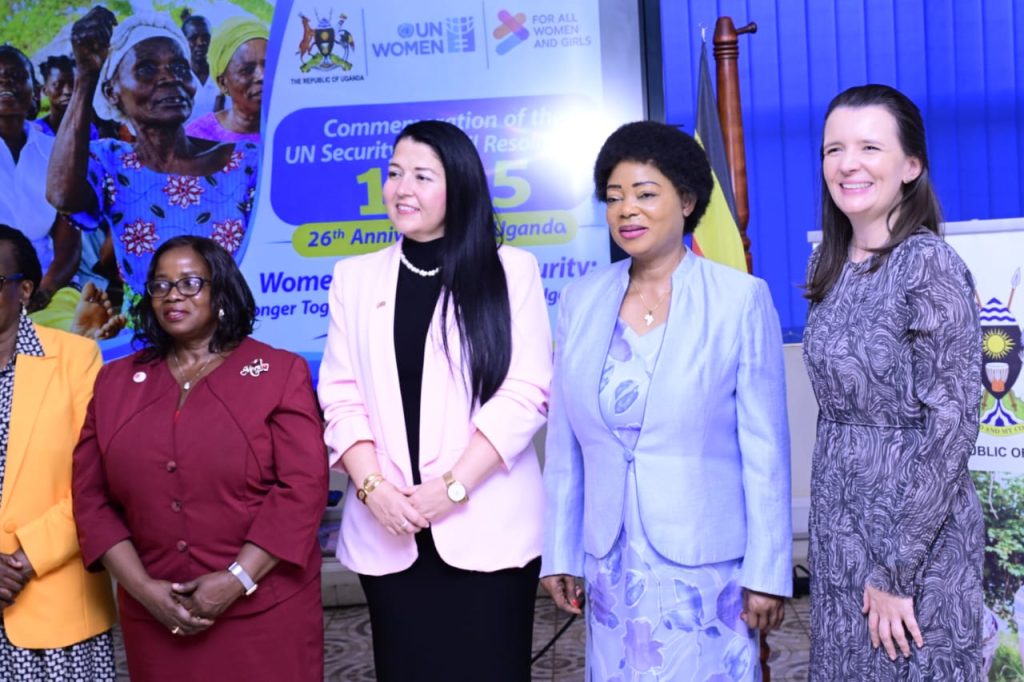
The call was made on Wednesday during the commemoration of the 26th anniversary of United Nations Security Council Resolution 1325 on Women, Peace and Security, held at the UN Women offices in Naguru, Kampala.
UN Women Country Representative Paulina Chiwangu said women play a critical role in building sustainable peace and should be actively involved in decision-making processes at all levels.
“Peace is stronger, more inclusive and more sustainable when women participate in building it. Without women, peace is weak. We need women,” Chiwangu said.
She noted that women and girls continue to bear the greatest burden of conflicts, displacement, climate shocks and humanitarian crises, making their involvement in peacebuilding increasingly important.
Chiwangu said Uganda has established itself as a regional and global leader in advancing the women, peace and security agenda through successive national action plans and the commitment of government institutions, civil society and communities.
She cited the work of women peace mediators in Yumbe District, particularly Gloria Ato and her colleagues, who have helped reduce cases of mob justice in their community through peaceful dispute resolution.According to Chiwangu, the community previously experienced several cases of mob justice every market day, but following the intervention of the women mediators, incidents have reduced to only one or two every six months.
She also highlighted the achievements of South Sudanese refugee Grace Nema Kemis, who became the first woman elected as a Refugee Welfare Council III leader in her settlement in Bidi Bidi after competing against two men.
Chiwangu said the examples demonstrate how women are contributing to conflict prevention, community leadership and peaceful coexistence.
She further called for sustainable domestic financing, warning that declining donor support was threatening the implementation of women’s peace and security programmes.
She congratulated 13 districts that have committed at least one per cent of their annual budgets towards implementing local action plans on women, peace and security, urging other districts to follow suit.
“Advancing women, peace and security cannot depend on external support alone. The time of depending on overseas development assistance alone is gone. We need serious discussions on how domestic financing and resource mobilisation can be strengthened,” she said.
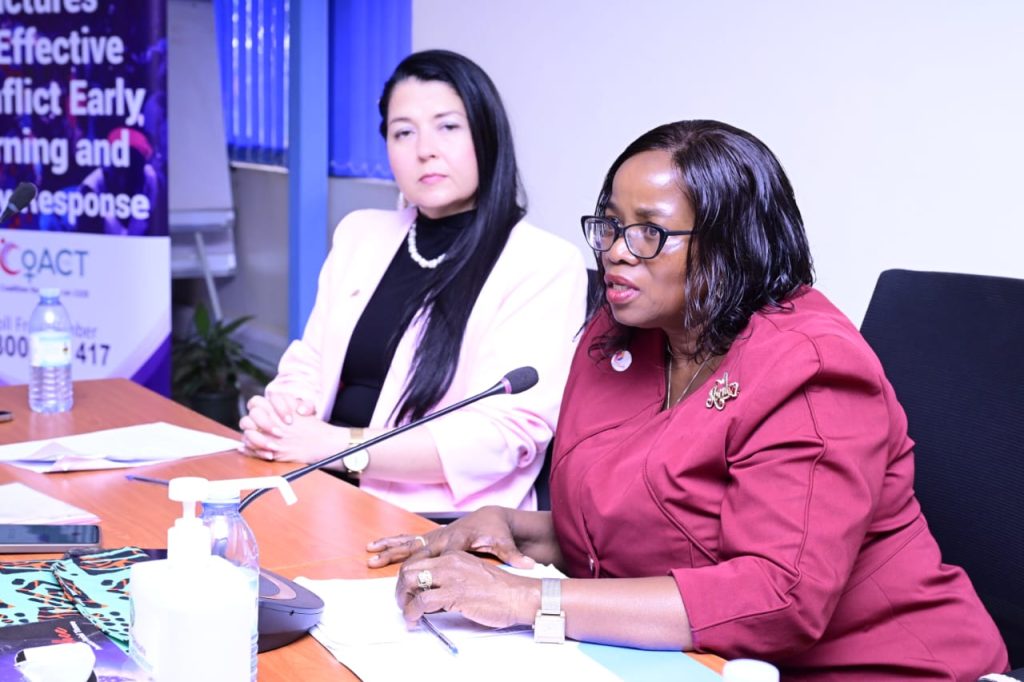
Meanwhile, Robinah Rubimbwa, the Executive Director of the Coalition for Action on 1325 (CoACT), called on government to move beyond policy commitments and provide adequate funding for peacebuilding initiatives.
Rubimbwa said civil society organisations had trained hundreds of women in peacebuilding, established local women mediator networks and supported the formation of peace committees at village, sub-county and district levels.
She revealed that civil society organisations, working with local governments, had supported 22 districts to develop local action plans addressing conflicts within their communities.
However, she said implementation remained a challenge because many local peace committees and protection desks lacked the resources needed to carry out their work.
“Policies without budgets are merely good intentions, but true peace requires dedicated local government funding,” Rubimbwa said.
She noted that only 22 of Uganda’s 146 districts have developed local action plans, describing this as a significant gap that requires urgent attention.
Rubimbwa also raised concerns about emerging threats to women’s security, including technology-facilitated gender-based violence, climate change, land grabbing and election-related violence.
She said women, who constitute more than 70 per cent of Uganda’s agricultural workforce, were often excluded from land compensation in the oil corridor, particularly in Buliisa and Hoima, because they lacked formal land titles.
She called for greater protection of women’s land rights, improved accessibility for women with disabilities and increased participation of young women and girls in peacebuilding processes.
Rubimbwa also urged the media to take an active role in promoting the women, peace and security agenda through gender-sensitive reporting.
Representing government, Angella Nakafeero, a Commissioner in the Ministry of Gender, Labour and Social Development, said Uganda has made considerable progress in peacebuilding and conflict resolution despite its history of conflicts and disasters.
Nakafeero said the anniversary provided an opportunity for the country to reflect on its achievements and renew its commitment to ensuring women and girls play a central role in maintaining peace and security.
“For us to achieve national development, total peace and security are important. Amidst that is the aspect of centring women in the struggle and agenda of peacebuilding in our country,” she said.
She thanked UN Women and civil society organisations for their continued partnership with government in promoting women’s participation in peace and security initiatives.
Dr Katja Kerschbaumer, Head of Development Cooperation at the Austrian Embassy, also joined the commemoration and congratulated Uganda on the progress it had made in implementing the women, peace and security agenda.
The anniversary marked 26 years since the adoption of United Nations Security Council Resolution 1325 in 2000, which recognises the importance of women’s participation in conflict prevention, peace negotiations, peacebuilding and post-conflict recovery.