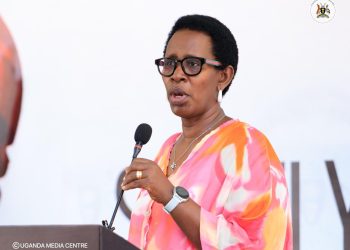



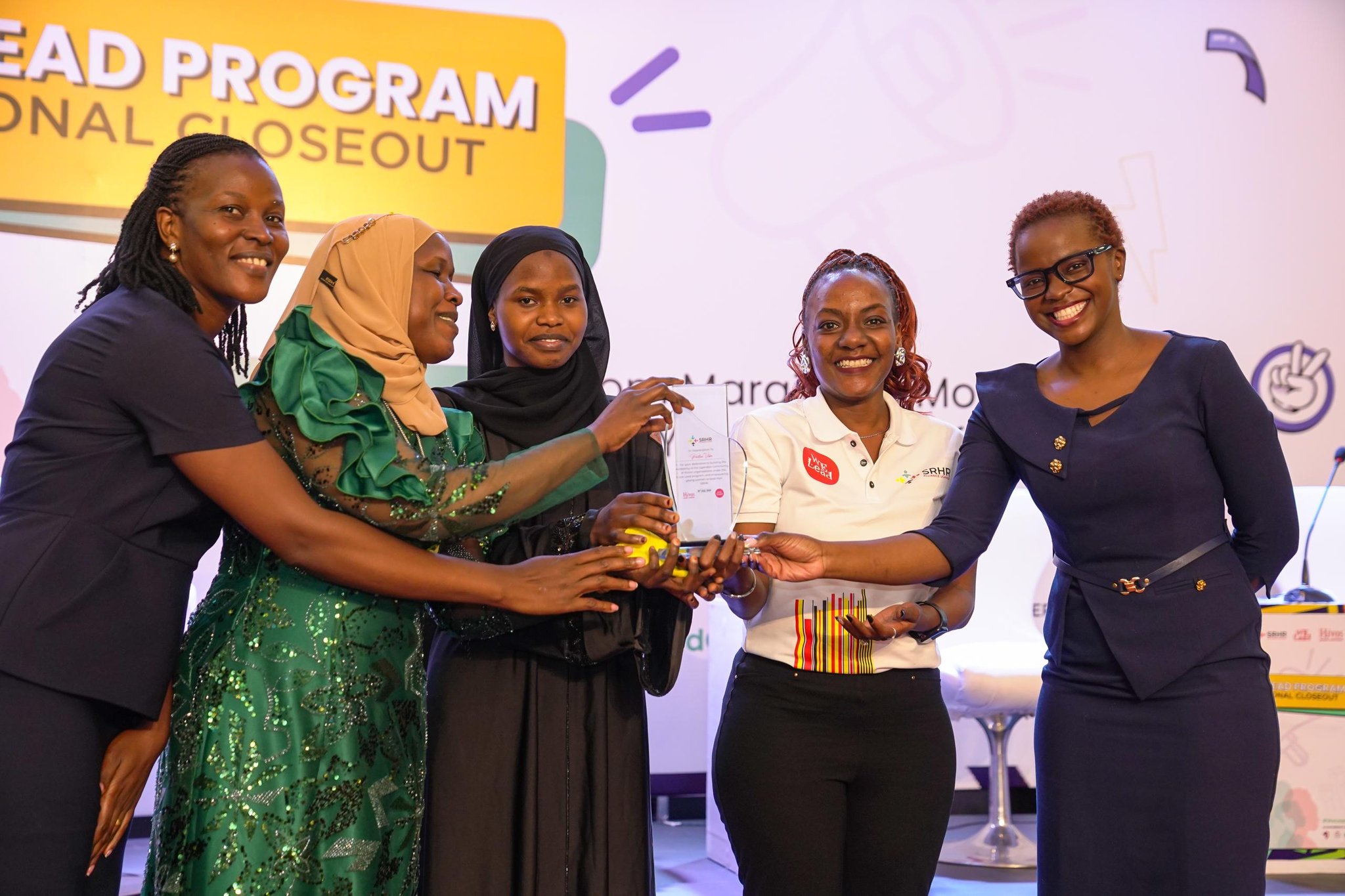
Kampala, Uganda — There was joy, reflection, and celebration in Kampala as partners, donors, youth leaders, and civil society groups came together to mark the end of the We Lead program. This five-year project has helped young women and girls across Uganda understand and fight for their sexual and reproductive health and rights (SRHR).
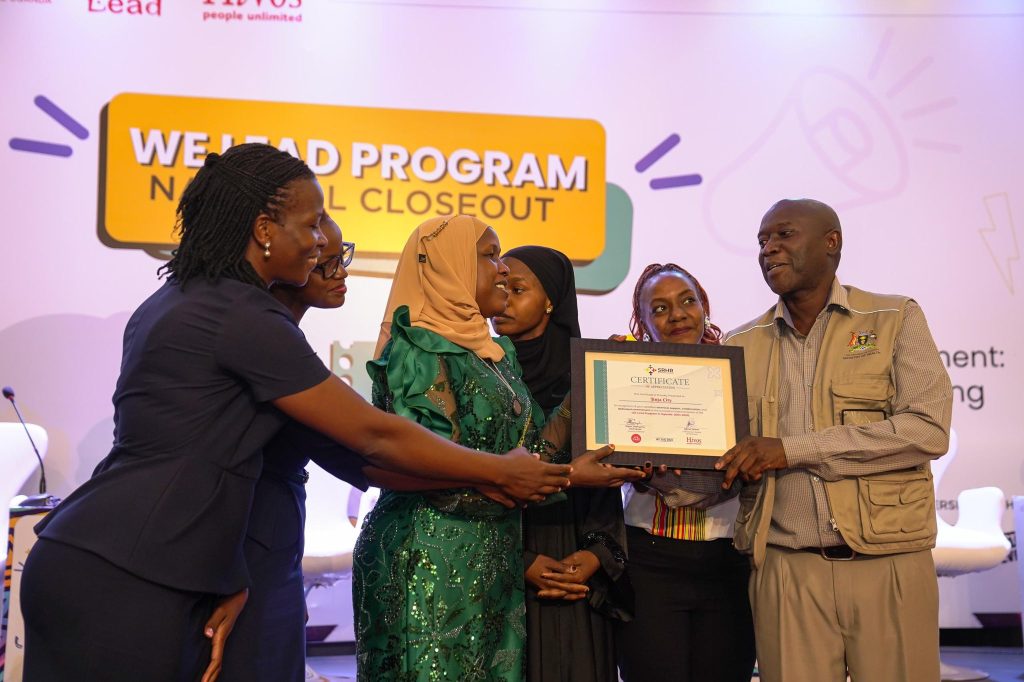
The event, held under the theme “From Margins to Movement: Five Years of Transforming SRHR Realities,” was both a celebration of success and a reminder that there’s still work to do. Funded by the Dutch Ministry of Foreign Affairs, We Lead focused on helping girls and young women who are often left behind—such as those living with HIV, those with disabilities, or those forced to move due to conflict.
“Yes, we have achieved,” said Margaret Nanyombi, Programs Manager at the SRHR Alliance. “We faced some challenges, but our achievements are bigger. We didn’t just run a project—we built a movement.”
Reaching the Most in Need
The program was run in eight districts across Uganda, including parts of West Nile, the north and east, and Kampala. Before starting, the team carried out research to find the areas most in need of SRHR services. The goal wasn’t just to provide services, but to teach young women to speak up for their rights and demand change themselves.
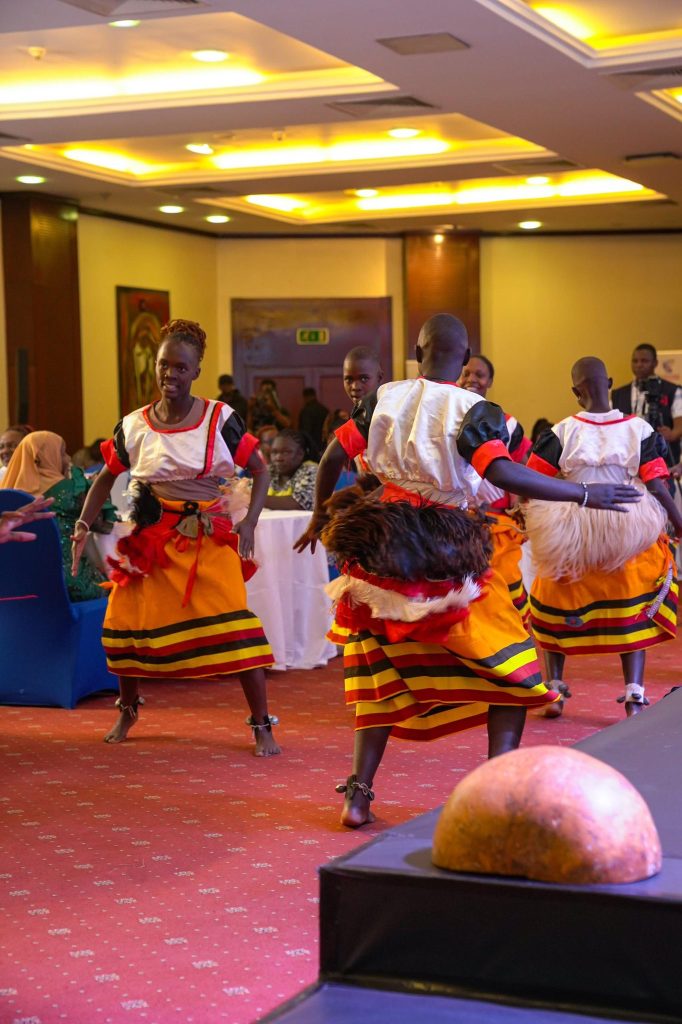
A Strong Movement is Born
One of the program’s biggest successes is the creation of a strong group of young women leaders. We Lead worked with 15 partner organizations to support these young women, who now speak directly to government officials, demand better services, and help hold leaders responsible.
“These young women are now confident and can speak up for themselves,” Nanyombi said. “Some districts have even created new laws to help them.”
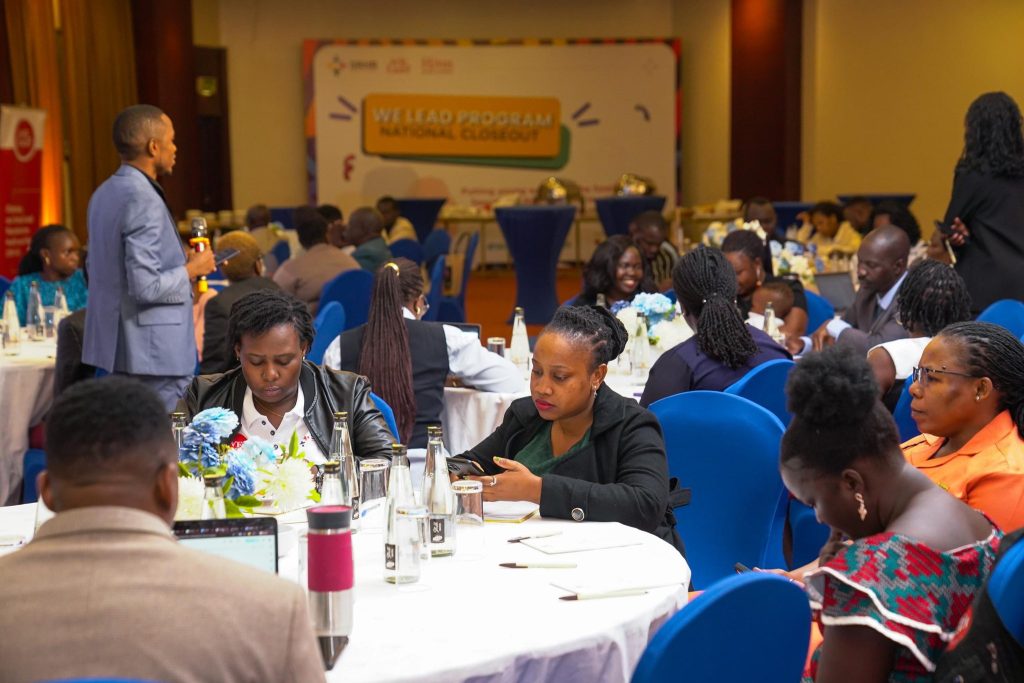
For example, Kamuli District passed a bylaw to make sure girls with disabilities can get health services. Other districts created laws to stop child marriage and teenage pregnancy.
Giving a Voice to the Voiceless
Olgah Daphynne Namukuza, Country Director of SRHR Alliance Uganda, said the program was more than just providing services.
“We Lead gave a voice to young women who were often ignored. It helped them become strong leaders who can speak out and push for change,” she said.
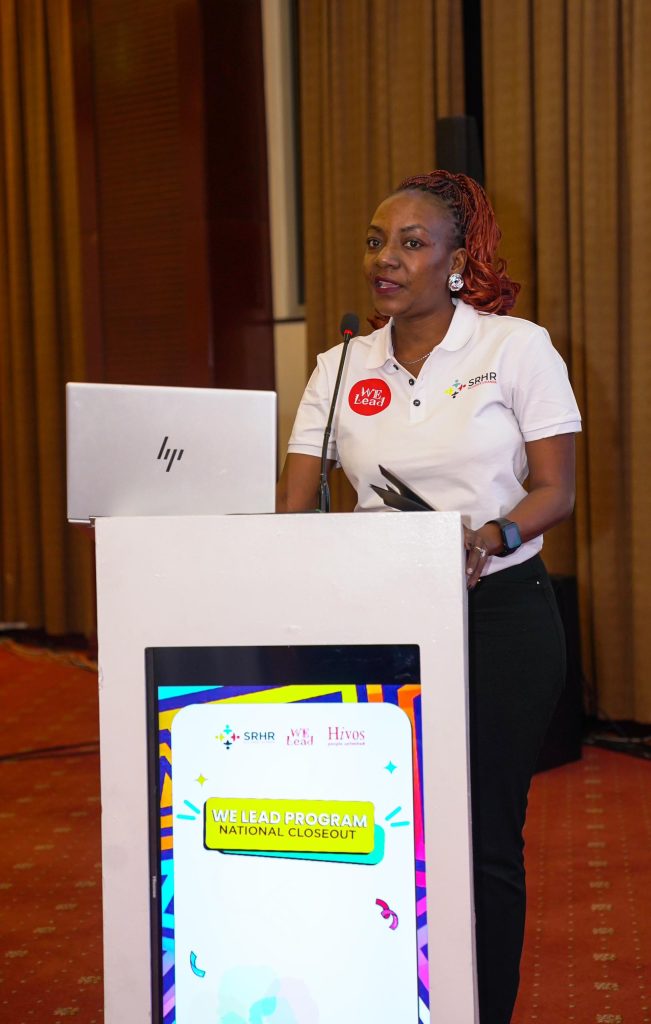
Namukuza thanked the Dutch government for supporting a program that focused on dignity, justice, and inclusion.
Dorcus Mwachi, Program Officer (Regional) for the We Lead program at Hivos, an international organization focused on social change said:
“When I joined the program, it was already facing many challenges. But we didn’t give up. The passion and energy from the young women gave us strength. That’s what sustainability really means.”
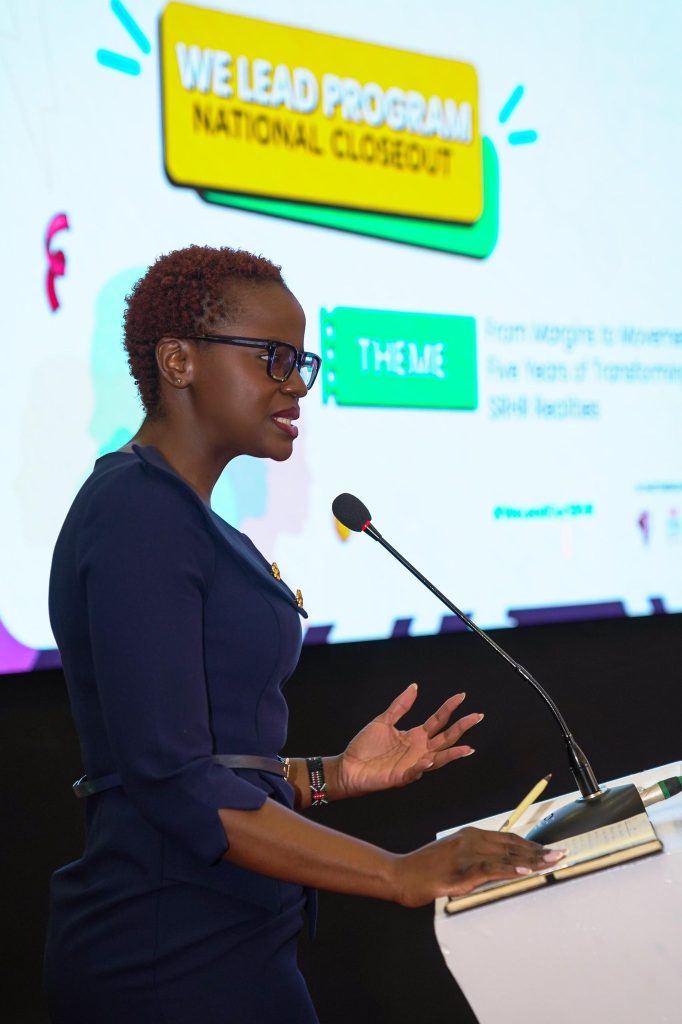
She also thanked the Ugandan team for their hard work and promised that their support will continue.
A Message to Government: Keep Going
Although We Lead is ending, the SRHR Alliance says the work must continue. They are calling on the Ugandan government and local leaders to carry on what the project started.
“Girls are still being born today. They will grow up in the same communities. We must not leave them behind,” Nanyombi urged.
The Alliance also asked the government to increase funding so that young women—especially those living with HIV—can continue to get the care they need, even if outside funding stops.
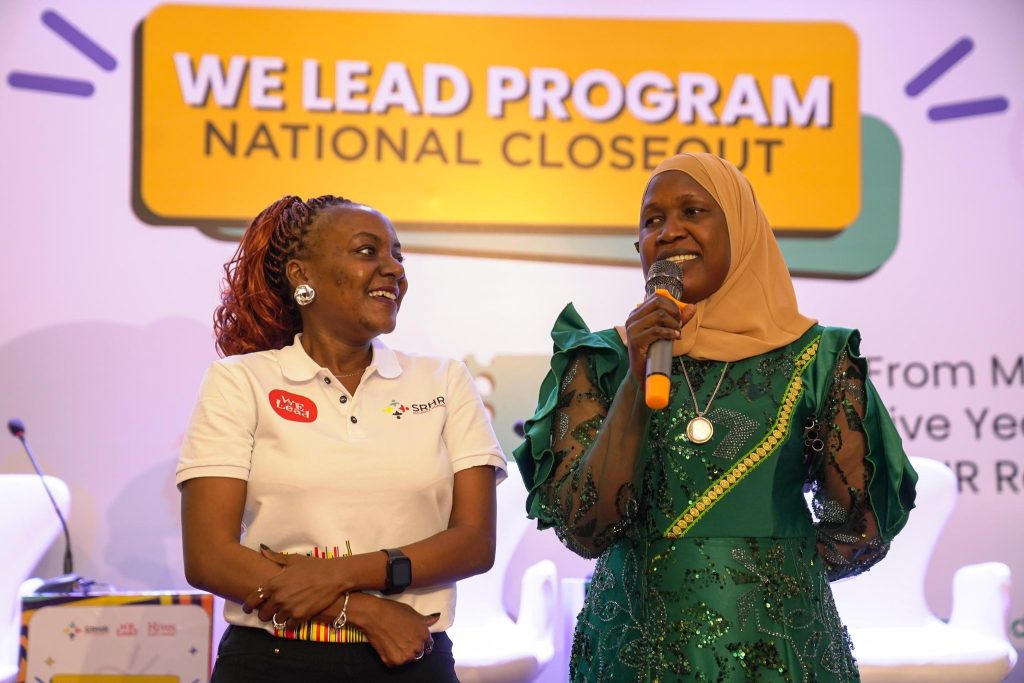
The Guest of Honor, Fazira Kawuma, Deputy Mayor of Jinja City, emphasized the crucial role each individual plays in the success of large and complex initiatives as the We Lead program comes to a close. She highlighted the tangible impact the program has had in Busoga—addressing the urgent needs of young mothers and responding to the heartfelt cries of communities. She called on all stakeholders to create inclusive spaces where the voices of our youth are heard, respected, and truly empowered.