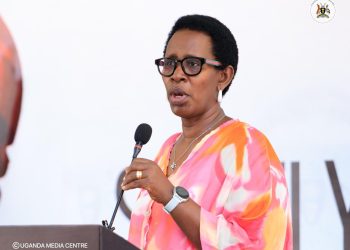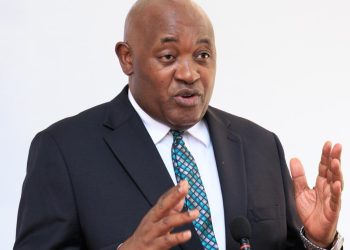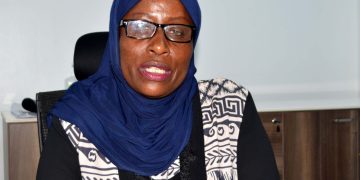



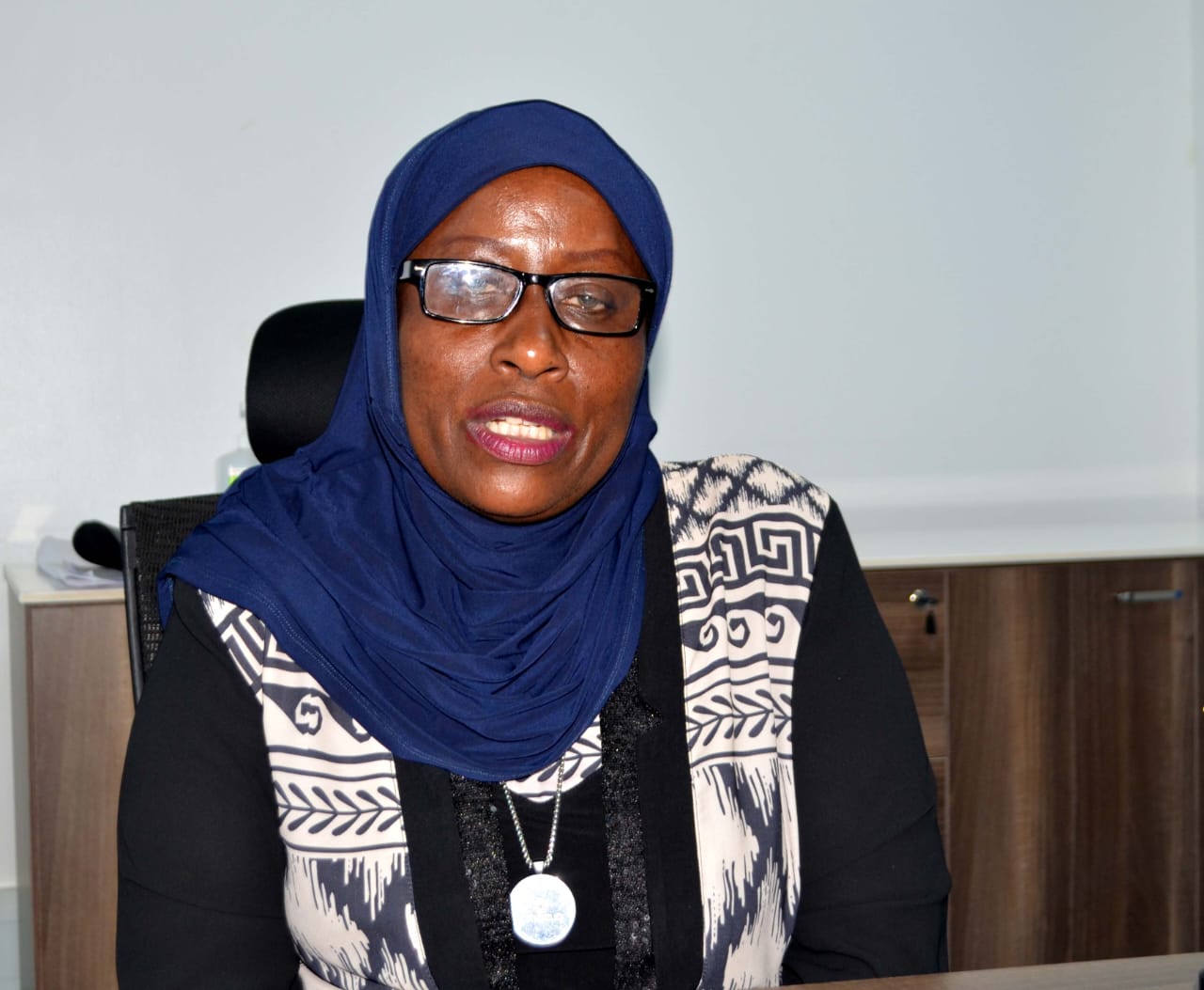
KAMPALA, Uganda : The WHO Uganda Country Technical Advisor for Non-Communicable Diseases (NCDs), Dr. Hasifa Kasule, has revealed that funding support worth €1.28 million from the World Diabetes Foundation (WDF), channeled through the World Health Organization (WHO), has significantly strengthened Uganda’s capacity to manage the growing burden of NCDs.
Dr. Kasule said the funding has enabled the government to build technical capacity among health workers at lower-level health facilities. This includes integrated patient screening services and improved use of diagnostic equipment in line with national guidelines, enhancing service delivery.
She noted that Uganda, alongside Ghana, is currently among only two countries globally implementing the four-year Diabetes and Cardiovascular Disease (D-CARD) Africa Project.
Launched in 2024, the initiative integrates NCD screening into existing health services such as HIV, tuberculosis (TB), and malnutrition programs, promoting a more holistic and sustainable approach to patient care.
In Uganda, the project is being implemented in the districts of Kabale, Koboko, Lira, and Sembabule. It targets over 1.1 million people, delivering quality care through 10 primary health care facilities at Health Centre III and IV levels in each district.
“This project has improved access to services at lower-level health facilities by strengthening early detection and management of diabetes and hypertension, with a strong focus on primary health care,” Dr. Kasule said.
She explained that the project’s main objective is to strengthen health systems by improving access, expanding screening coverage, and enhancing treatment, ultimately reducing deaths and complications associated with NCDs.
Dr. Kasule highlighted the success of patient support groups formed under the initiative. These groups have played a key role in mobilizing communities, conducting sensitization campaigns on NCD prevention, and encouraging members to make small monthly contributions to purchase medication during stockouts at government health facilities.
One notable success is at Maziba Health Centre IV in Kabale District, where membership in support groups has grown significantly. This has boosted patients’ confidence and helped reduce disease-related complications.
“We are aware that government resources for medicines are limited. That is why we encourage NCD patients to form support groups to help bridge gaps during stockouts and ensure continuity in treatment,” she said.
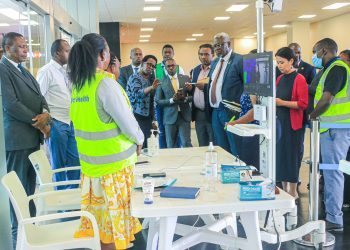
The project also supports logistics for data collection, advocacy, capacity building, operations, and surveillance across participating health facilities.
Dr. Kasule emphasized WHO’s support for the government’s integrated approach to managing chronic diseases, which includes screening all adult patients for NCD conditions and recommending appropriate treatment.
She commended district leadership—including LC5 chairpersons, Chief Administrative Officers (CAOs), Resident District Commissioners (RDCs), Civil Society Organizations (CSOs), and District Health Officers (DHOs)—for their role in the successful implementation of the program.
Looking ahead, she revealed that an implementation research survey will soon be conducted to assess the project’s impact and inform future planning.
Dr. Kasule also expressed gratitude to communities in the four districts for their resilience and active role in combating NCDs, particularly diabetes and hypertension.
“WHO strongly appreciates their commitment to fighting the NCD burden in their communities,” she said.