


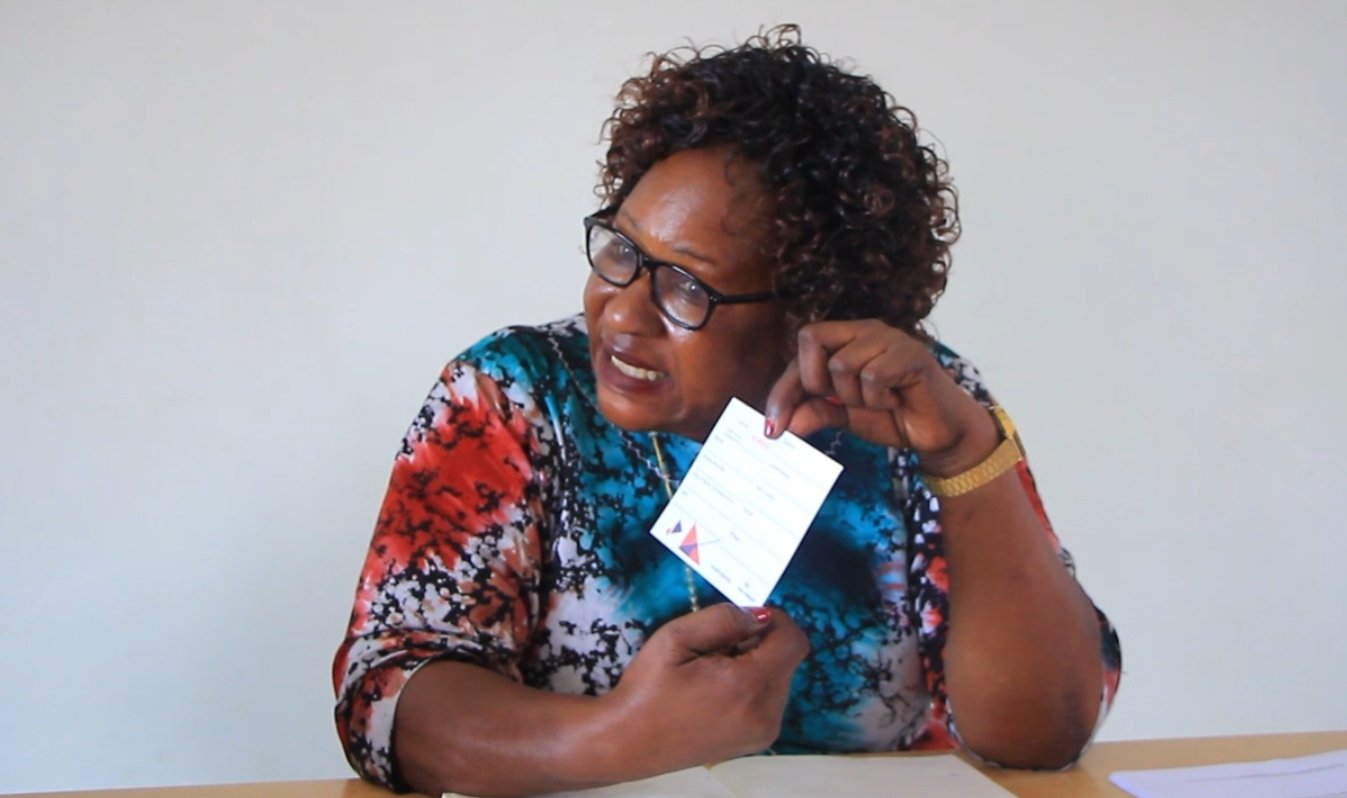
A few weeks ago, we were roasting Masaka City Mayor Florence Namayanja over what we know as unrealistic comments on the state of latrines in the city. It seems our humble opinion may have landed where it was aimed. As the saying goes; we move on.
Today, however, the spotlight swings back to her, not for criticism, but for praise. In her State of the City address, she brought news that deserves recognition: the reclaiming of some city land titles and properties that had mysteriously slipped into private hands.
This is no small matter. Masaka (for the sake of being formal, let’s call it a city) has long struggled with property losses. Some parcels were handed over during previous administrations in deals that can only be described as short-sighted, if not outright reckless or theft. Public land, intended for the common good, was treated like personal property by leaders more concerned with short-term gain than long-term benefit.
Mayor Namayanja’s move to recover these properties is a welcome development. We have seen similar promises before, of course. Past leaders also made pronouncements about reclaiming city assets, but those bold statements often fizzled into nothing. This time, we choose to take the mayor at her word and wait to see the process through.
But let’s be clear; this is just the start. There is still more land and property in the hands of powerful individuals who have no business holding them. The mayor’s office (whoever occupies the office after the election, whether it’s Namayanja or someone else) must relentlessly pursue investigations into every questionable transfer and, where possible, work to reverse them. Public assets must serve the public, not pad the portfolios of a privileged few.
This isn’t just about buildings and empty plots. Urban land in Uganda’s secondary cities like Masaka is central to economic planning, infrastructure development, and service delivery. When land is misappropriated, the city loses opportunities to build schools, markets, roads, and public spaces that improve quality of life. The damage lingers for decades.
Speaking of quality of life, let me return to a recurring pet peeve. The “welcome” monument at the city’s entrance, those lions , remain as uninspiring as ever. Why lions? We are not a savannah city. Why not a grasshopper, the beloved nsenene delicacy that actually tells our story? Or a banana plant, which is deeply tied to our identity and economy? Or coffee! A beauty sculpture of a family harvesting coffee at the Cultural Resort, showcased on the city’s website, is far superior to what was done at “Welcome.”
While at it, let’s talk about our street naming and signage. Many of them are mislabeled or misspelled. Take Nakayiba, which is proudly ours, yet appears on signs as “Nakaiba.” These details may seem small, but they matter. They reflect how we see ourselves and how we present ourselves to visitors. A city that takes care of its image signals that it takes care of its people.
Oh yes, the person who posted Masaka City’s history on the official website should be called before the disciplinary committee. Whoever they are, they were lazy. Lifting content from Wikipedia is the weakest form of research, and worse still, adding a footnote indicator without an actual footnote? Come on. Contract someone to do this properly.
As we rap this up, Mayor Namayanja, today we give you flowers for a commendable step forward. But we also hand you a to-do list; reclaim the rest of our assets, rethink our city symbols, and fix those street signs. Only then will the people of Masaka truly feel they live in a city that belongs to them.
-CKW-