


Kampala, Uganda– A newly report released today has revealed serious gaps in the effectiveness of Local Government Public Accounts Committees (LGPACs), raising concerns over accountability and service delivery in Uganda’s decentralized governance system.
The comprehensive assessment conducted by the Alliance for Finance Monitoring (ACFIM) and the Uganda National NGO Forum (UNNGOF) evaluated the functionality and capacity of LGPACs across 18 districts, uncovering widespread challenges that threaten the core of local government oversight.
LGPACs are mandated under Section 92 of the Local Government Act, Cap 138 to provide independent scrutiny of public expenditure at the district level. However, the study found that despite being legally established in most districts, many committees remain structurally weak, underfunded, and vulnerable to political interference.
“LGPACs are supposed to be the first line of defence against financial mismanagement,” said Henry Muguzi, Executive Director of ACFIM. “Unfortunately, they are under-resourced and ill-equipped, which allows corruption to go unchecked.”
Structural Gaps Undermine Legitimacy
The report shows that 28% of LGPACs surveyed were not fully constituted, while 17% lacked formal approval from the Ministry of Local Government, calling into question their legal legitimacy.
Gender inclusivity, a statutory requirement also remains a major concern. Only 10 districts met the minimum requirement of two female members, with 8 districts falling short.
Delays in replacing expired members and nominating new ones have further contributed to these structural shortcomings, weakening the committees’ capacity to function effectively.
Training and Capacity: A Persistent Weakness
Operational capacity was another major concern. Only 50% of LGPAC secretaries had received formal training, and most had not undergone refresher sessions in over two years. Many committee members lacked the technical knowledge needed to interpret audit reports, compromising their ability to hold accounting officers accountable.
Operational Inefficiencies and Inconsistencies
Although LGPACs are expected to meet regularly and submit reports to the Ministry of Local Government, only 61% of districts complied with the required reporting frequency. Field verification — a critical tool for confirming audit findings — was conducted quarterly in just 25% of the districts, while others struggled due to inadequate logistical support.
Impact: Some Successes, But Limited Reach
Despite the challenges, the report documented cases where LGPACs played a crucial role in recovering misappropriated funds, initiating disciplinary action, and improving financial discipline. However, these successes were isolated and often depended on strong political will and proactive local leadership.
“We’ve seen results where LGPACs are active and supported,” said Barbra Babweteera, Board Chair of UNNGOF. “But when they are weak or inactive, communities suffer — roads remain unbuilt, drugs disappear from hospitals, and corruption thrives in silence.”
Obstacles to Effective Oversight
The report identifies four key obstacles undermining the performance of LGPACs:
- Inadequate Funding – limiting meetings, field visits, and operational activities.
- Capacity Gaps – lack of skills in financial oversight among members.
- Political Interference – undermining committee independence and objectivity.
- Weak Enforcement Mechanisms – limiting the implementation of audit recommendations.
Recommendations: Strengthening Local Accountability
To address these systemic challenges, the report makes several recommendations:
- Increase financial and logistical support to LGPACs.
- Institutionalize ongoing capacity-building programs for committee members and secretaries.
- Strengthen legal and enforcement mechanisms to ensure compliance with audit findings.
- Promote citizen participation by publishing LGPAC reports and involving communities in oversight.
- Encourage collaboration among key actors including the Office of the Auditor General, Ministry of Local Government, Parliament, and civil society.
A Call to Action
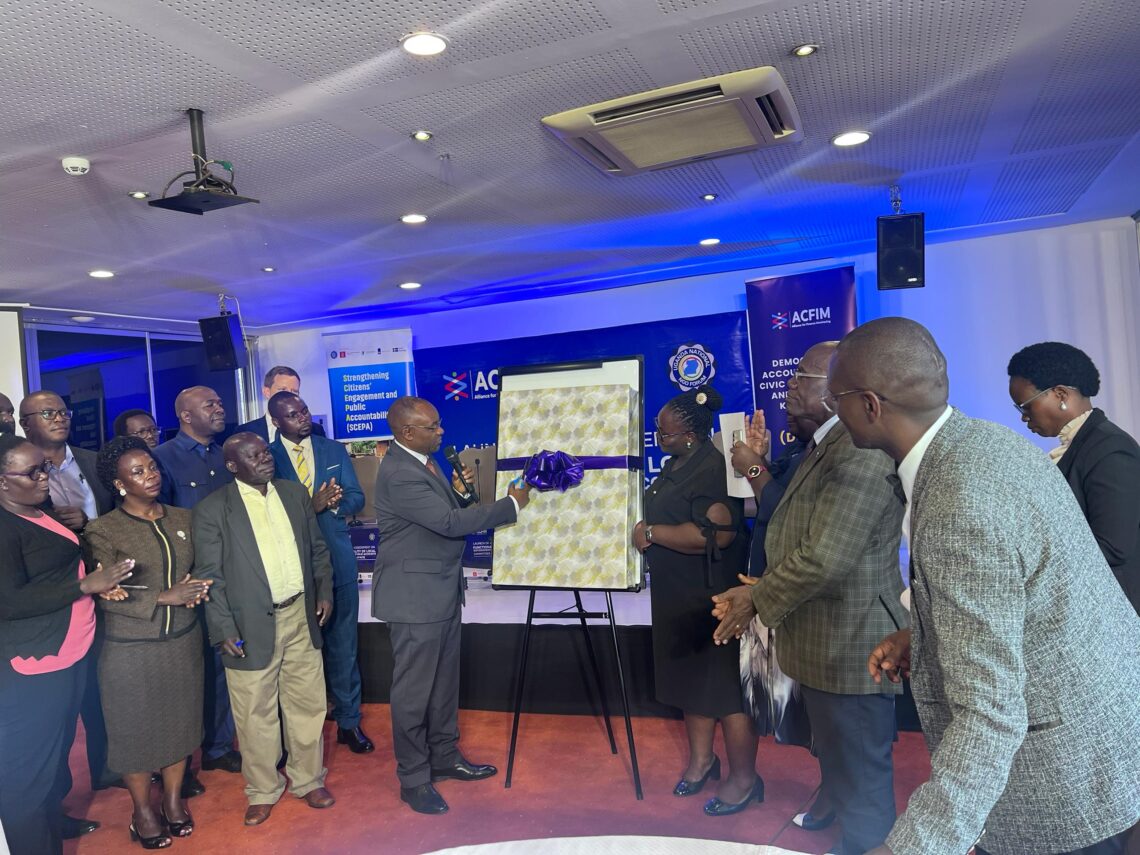
Minister of Local Government Raphael Magyezi, who attended the report’s launch, acknowledged that most LGPACs operate with annual budgets under 20 million shillings, despite being responsible for monitoring expenditures that can reach 100 billion.
“You cannot send someone to dig and deny them a hoe,” Magyezi said. He pledged to push for direct funding from the consolidated fund and proposed amendments to raise the minimum qualifications for committee members to improve oversight effectiveness.
Conclusion
The findings serve as a wake-up call for Uganda’s governance system. While LGPACs remain a vital part of the country’s accountability infrastructure, their potential is far from fully realized. Structural reforms, targeted investments, and greater political commitment are urgently needed to restore their credibility and impact.
“The fight against corruption cannot be won at the top alone,” Muguzi concluded. “It must be rooted in strong, functional oversight at the district level — where government meets the people.”