


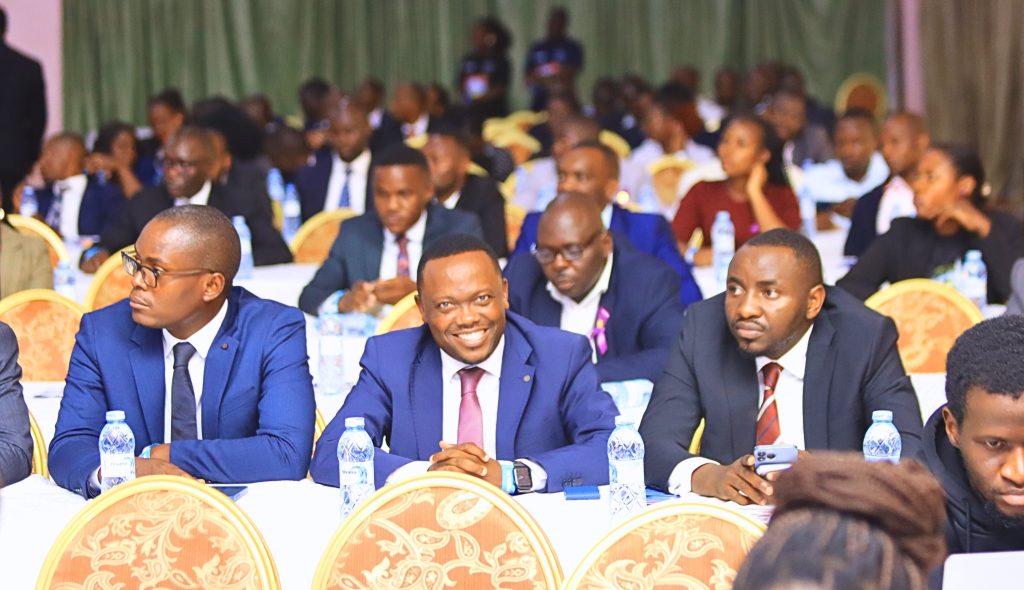
The Uganda Law Society (ULS) has announced a series of significant decisions following its General Assembly held at the Imperial Royale Hotel in Kampala, attended by over 1,500 members.
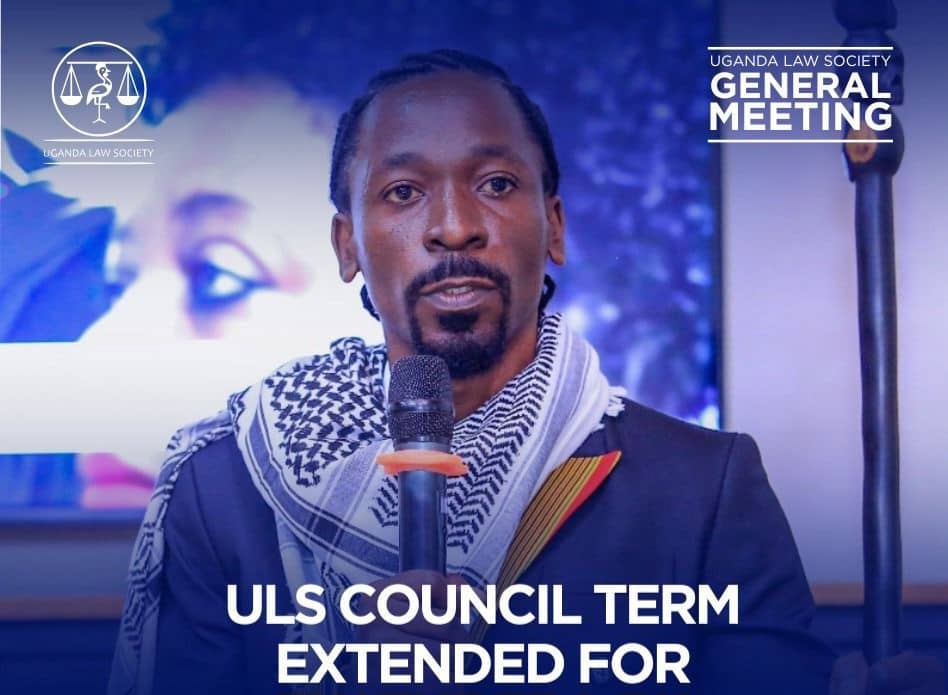
Chaired by Vice President Anthony Asiimwe in the absence of ULS President Isaac Ssemakade—who remains in exile—the meeting resolved to extend the current ULS Council’s term by six months beyond the scheduled end date of September 27, 2025. The extension is aimed at allowing adequate time to prepare for upcoming elections.
In a decisive move, the Assembly also censured and removed two Council members, Advocate Phillip Munaabi (Secretary) and Advocate Geoffrey Turyamusima (Central Region Representative), over conduct deemed disruptive to Council operations. The two were immediately suspended from the Society.
 Following their removal, the General Assembly approved the appointment of Advocate Ssali Babu as Acting Secretary and Advocate Lule Alexander as Acting Council Member representing the Central Region.
Advocate Ssali Babu, a conveyancing and litigation specialist and partner at Nsubuga K & Co. Advocates, is known for his work in community empowerment and corporate social responsibility, especially around land rights and climate resilience in agricultural communities.
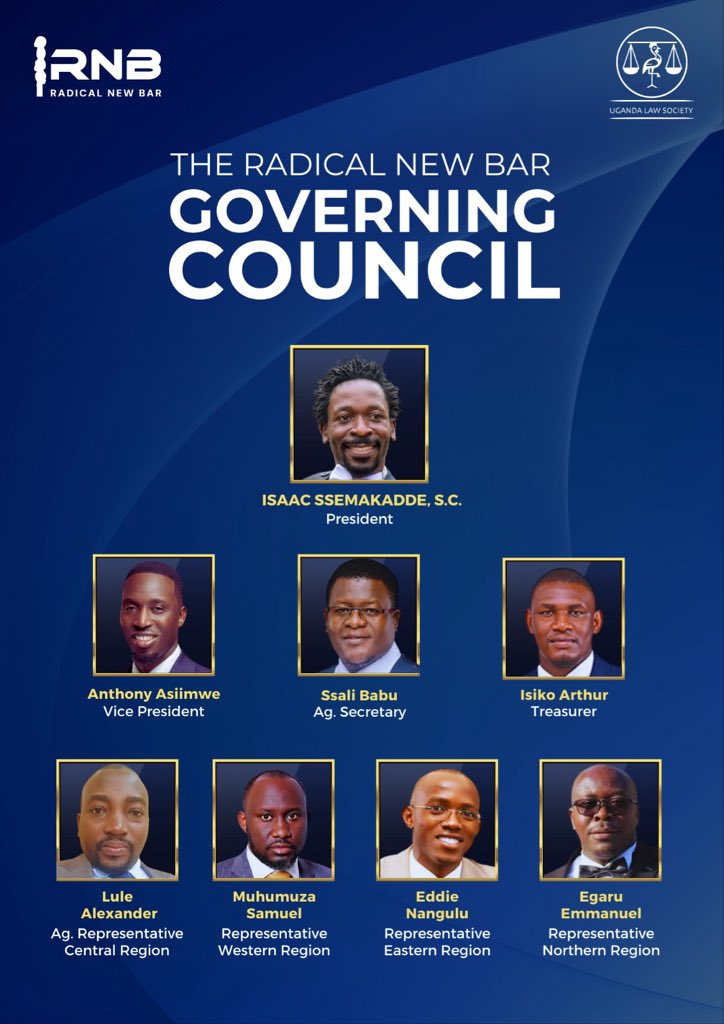 Advocate Lule Alexander, the founder of Xander Advocates in Masaka City and a noted human rights lawyer, has gained national prominence for championing judicial reforms. His leadership of a sit-down strike on June 16, 2025, brought national attention to the judicial backlog at Masaka High Court, resulting in high-level reforms, including the deployment of additional judges and new criminal sessions across the region.
In other resolutions, the ULS Assembly set a one-month timeline to conduct elections for its representative to the Judicial Service Commission. It also approved the long-delayed election of a young lawyer representative to the East Africa Law Society Committee.
The General Assembly marks a pivotal moment for the ULS, currently under the stewardship of the “Radical New Bar,” as it seeks to reform its leadership structures while addressing systemic challenges in the legal sector.