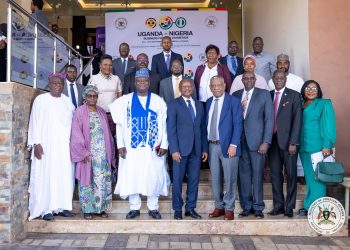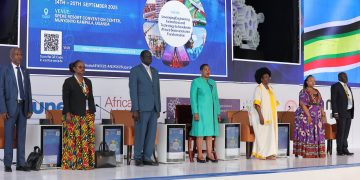



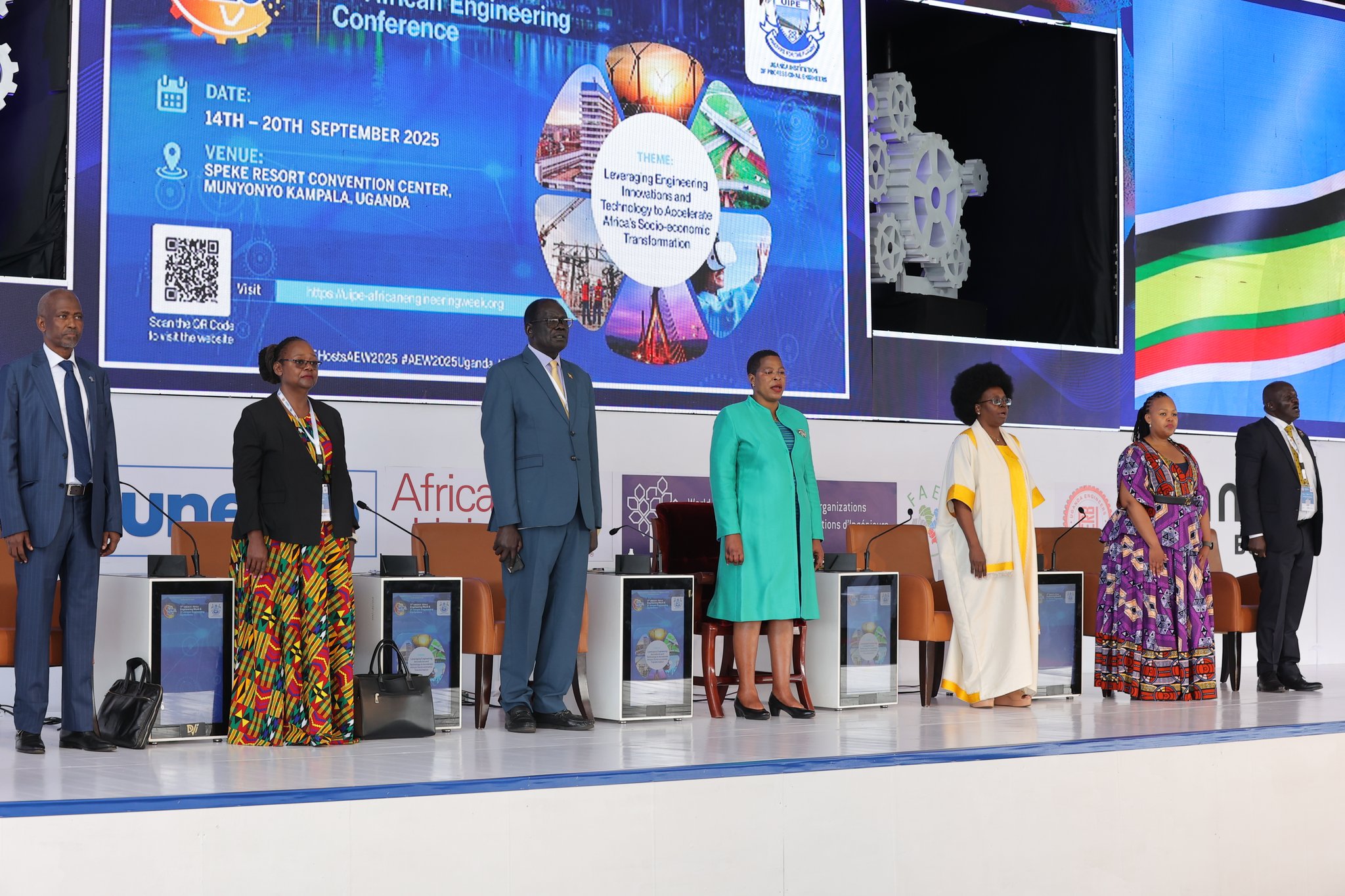
Kampala, Uganda — The 11th UNESCO Africa Engineering Week and the 9th Africa Engineering Conference concluded on a high note at Speke Resort Munyonyo, with 947 delegates from 26 countries adopting a Ministerial Declaration aimed at leveraging engineering for Africa’s socio-economic transformation.
Hosted under the theme “Leveraging Engineering for Accelerated Infrastructure Development and Sustainable Economic Transformation in Africa,” the week-long gathering brought together engineers, policymakers, researchers, industry leaders, and young professionals in a united call to action: shift Africa from consumption to production and secure a prosperous, self-reliant future through innovation, education, and collaboration.
 Key Resolutions for Africa’s Development
Engineer Hillary Onek, who is also the Minister for Relief, Disaster Preparedness presented the final resolutions during his closing remarks.
He emphasized the urgency of translating technical expertise into value-adding solutions across key sectors. The Ministerial Declaration highlighted nine strategic areas:
Education and Capacity Building
- Promote competence-based, industry-linked training
- Support skill sponsorship and early innovation programs
- Invest heavily in digital literacy and frontline skills
Industrialization and Innovation
- Build enabling ecosystems for Research and development
- Establish Intellectual prosperity frameworks to support local enterprise
- Move Africa from consumption to high-value production
Interconnected Infrastructure and Sustainability
- Invest in climate-resilient and cost-effective technologies
- Strengthen ICT and urban transformation
- Enhance local capacity through technology transfer
Agriculture and Food Sovereignty
- Support climate-smart agriculture and agro-processing
- Promote regenerative bio-supply models and data rights for farmers
Water and Energy Security
- Harness Africa’s water resources sustainably
- Accelerate renewable energy adoption and equitable access
Governance and Regulation
- Harmonize standards through African-led frameworks
- Enforce ethics, modernize mandates, and support professional development
Collaboration and Partnerships
- Institutionalize public-private partnerships and cross-border cooperation
- Scale innovations via global and local linkages
Financing and Accountability
- Increase funding for engineering institutions
- Offer tax incentives and embed anti-corruption safeguards
Youth and Gender Empowerment
- Launch mentorship and early-career programs
- Promote inclusive workplace and education policies
- Position youth and women as key innovation drivers
“These nine resolutions will be shared widely and adopted across our respective countries,” said Engineer Onek. “Africa is ready to rise and shine. Now is the time to act.”
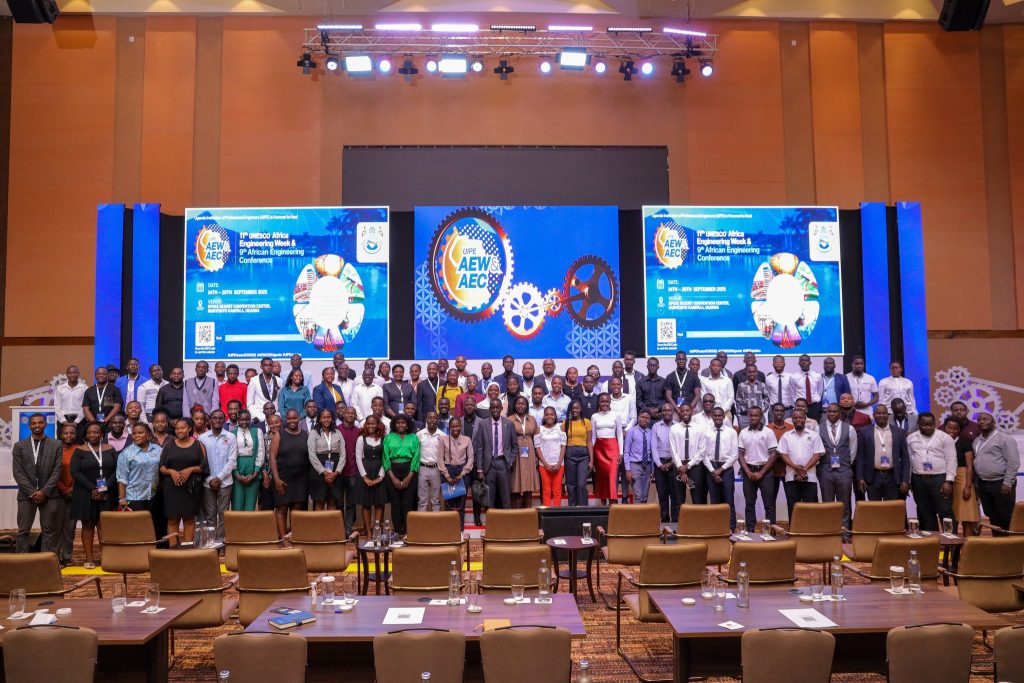 Young Professionals Take the Lead
Federation of African Engineering Organisations (FAEO) President, Eng. Sarah Refilwe Buthelezi, commended the visible leadership of young professionals throughout the week.
“We did not just invite them; we asked them to lead and they delivered,” she said, highlighting their roles in technical panels, the FAEO Academy, and even rebranding the organization’s logo. “Africa does not lack talent or ideas — what we need is collaboration, commitment, and mutual support.”
She called on all future delegations to include at least two young professionals and urged continued investment in the continent’s next generation of engineers.
FAEO also committed to presenting implementation updates at next year’s conference, set to be held in Tanzania.
A United Vision for Transformation
As the conference concluded, delegates expressed optimism that the groundwork laid in Uganda would catalyze a continental shift. “If we continue to build bold partnerships and nurture one another with patience and vision, we can overcome any challenge,” said Eng. Buthelezi. “Africa has the technical knowledge — now we must turn that into solutions that touch the lives of our people.”
Acknowledgments
The conference was organized by UNESCO, FAEO, and Uganda Institution of Professional Engineers (UIPE), with strong support from various ministries and sponsors. Special appreciation was extended to the President of Uganda, local authorities, partners, and the tireless teams that made the event a success.
Next Steps:
All delegates are expected to take the adopted resolutions back to their countries for integration into national strategies and engineering frameworks — paving the way for a new era of African-led development, powered by engineering, innovation, and unity.