


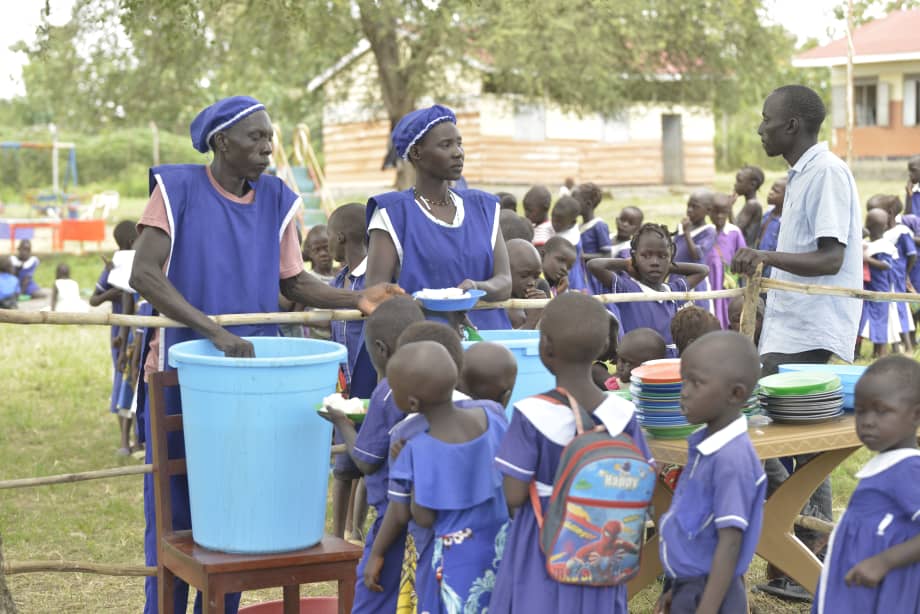
OBONGI District: A new school feeding program is helping more children attend school in refugee settlements, thanks to the Stromme Foundation, with support from the Norwegian government and people of Norway.
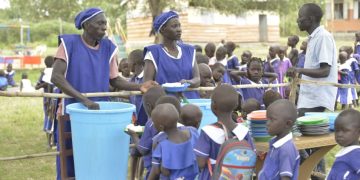
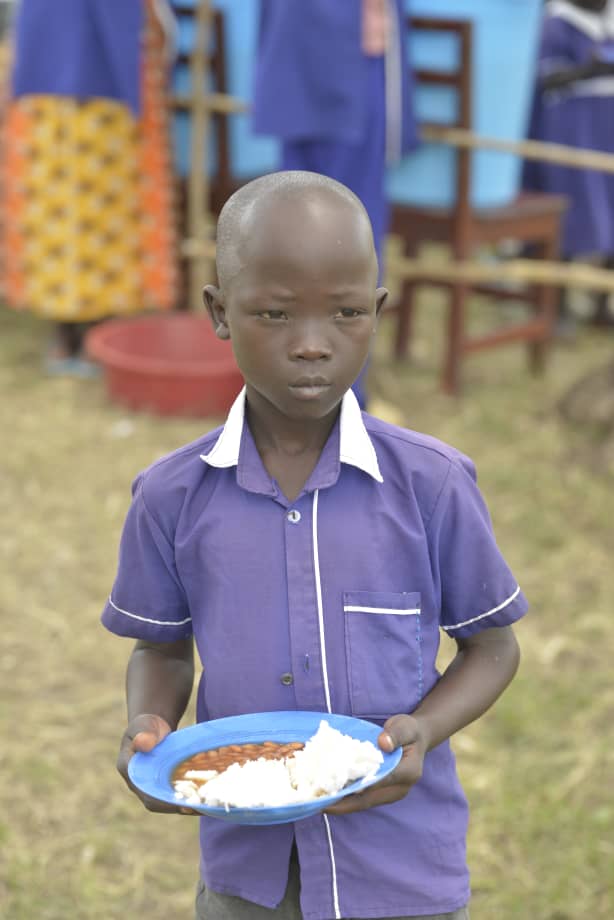
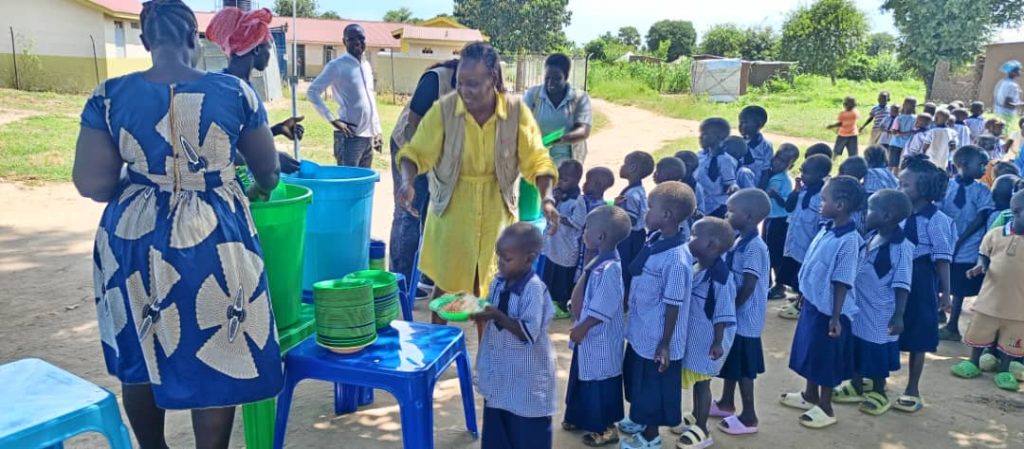
The program started recently and now gives daily hot meals to over 4,000 children in Bidibidi, Palorinya, and Palabek refugee settlements in Uganda. It aims to fight hunger, improve children’s health, and create a better learning environment for refugee children.
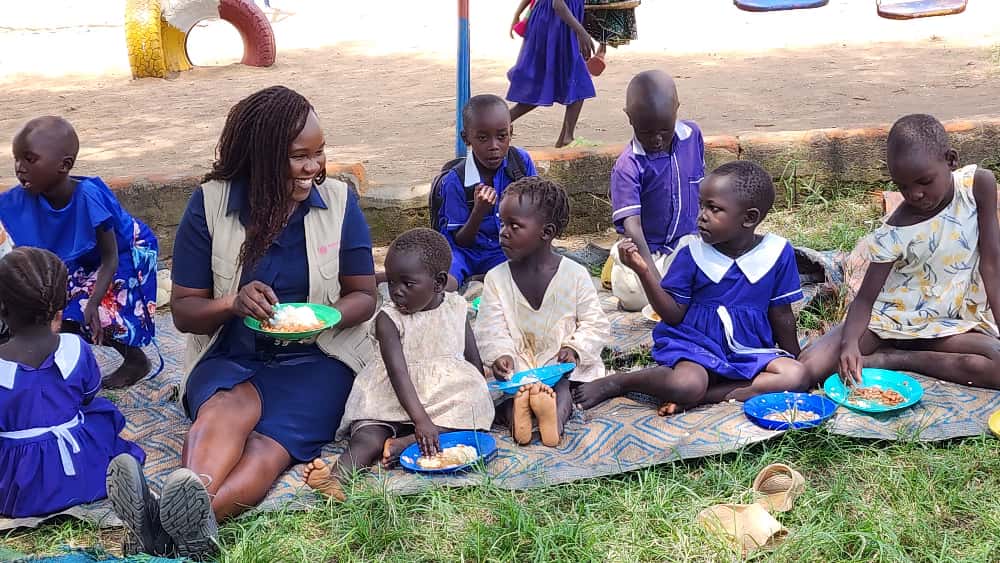 Many refugee families in Uganda’s West Nile and Northern regions struggle to get enough food. This problem got worse after several organizations stopped their support in 2024. This led to cuts in food aid, fewer learning materials, low teacher salaries, and fewer jobs. Because of this, many children stopped going to early childhood and primary schools.
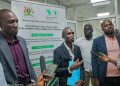
Ms. Dinah Morgan, Country Director of Stromme Foundation, said, “We are working with the government and local leaders to help parents understand the importance of feeding and education. A hungry child cannot learn. Good health and nutrition are very important for children to succeed in school.”
 Ms. Morgan also shared future plans. “We want to support 4,000 households to plant fast-growing trees and grow vegetables in kitchen gardens. This will improve their food security and protect the environment.”
Now, in it’s third week. Parents say, the initiative is already helping. Rose Modon, a parent in Bidibidi, said, “I have two children. Before, I could not feed them every day. Sometimes we only had tea. They were weak, always crying, and not playing. Now, they eat well and are happier.”
Ms. Nyangoma Hanifah, a local education officer in Bidibidi, said the feeding program is helping solve the food crisis. Poor weather and low soil quality have made it hard for families to grow enough food.
 Still, there are challenges. Many refugee families do not have land or gardens to grow their own food. Robert Sebiti Zakariya, a community leader in Kiranga ECD, asked parents who can’t pay school fees to talk to the schools so their children can still attend.
The program is already showing results. A 6-year-old student, Erina Zamba, said, “Before the feeding program, I cried all the time because I was hungry. Now I go to school every day. School is fun.”
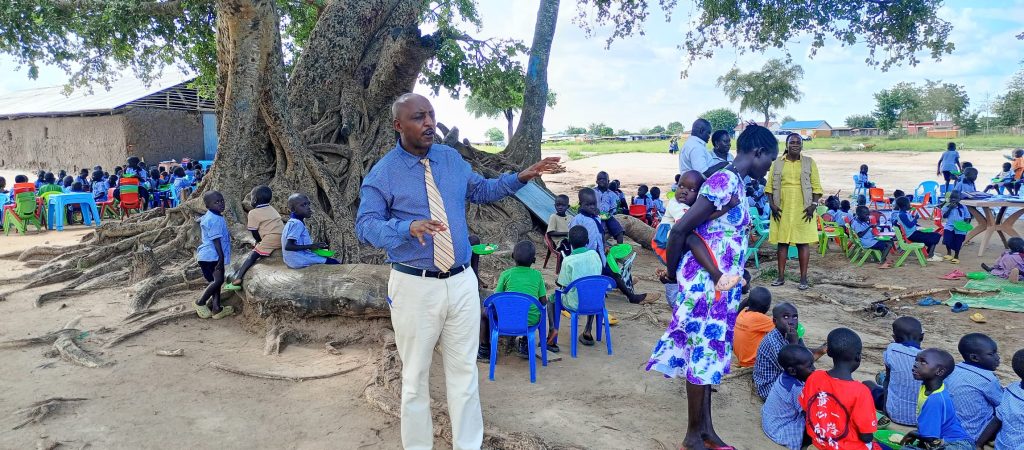
Samuel Mpimbaza Hashaka, the Resident District Commissioner of Obongi, was impressed by the school feeding program. He said, “You can see the children are happy and well-fed. This program has helped keep children in school. Before, we had around 100 children. Now, we have over 600. The food has attracted many.”
He added, “Some children used to fall asleep in class or leave early because they were hungry. But now they stay and learn. The porridge, beans, and posho (cornmeal) are of good quality. This is a great example for both local and national governments to follow.”
He urged parents to send their children to school, especially to ECDs, because early education helps children perform better in primary school. He also encouraged local governments to grow maize and beans to support school feeding in the future.
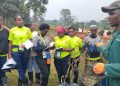
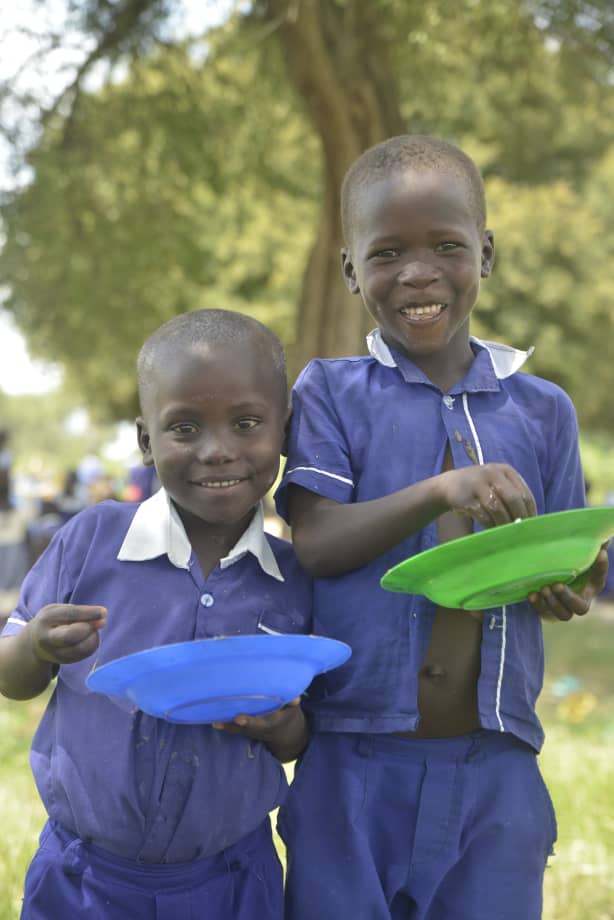 The program has also improved cooking conditions. New eco-friendly cooking places have led to better hygiene, better food, and a cleaner learning environment. Esther Yangi, a cook at Sacred Heart ECD, said, “Since we started cooking here, more children have come. The food is ready by noon. We just need better access to water.”
Mzee Micheal Duku, a local parent, said, “My children now eat at school, and I don’t have to worry about food at home.”
Another parent, Poni Jane, said her daughter, who has a disability, is now healthier, happier, and can write and speak better. The program has clearly helped many children grow and learn.