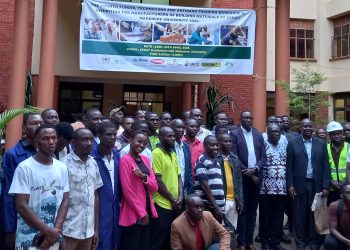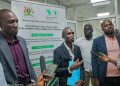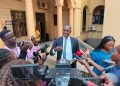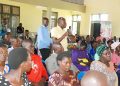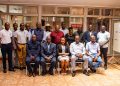


Kampala, Uganda — The Ministry of Health has urged health workers across the country to take up sign language training as part of a broader effort to make Uganda’s health system more inclusive for people with disabilities. This call was made during the National M-Voices Inclusion Summit, held in Kampala and convened by the Together Alive Health Initiative (TAHI) under the Disability Rights Consortium.
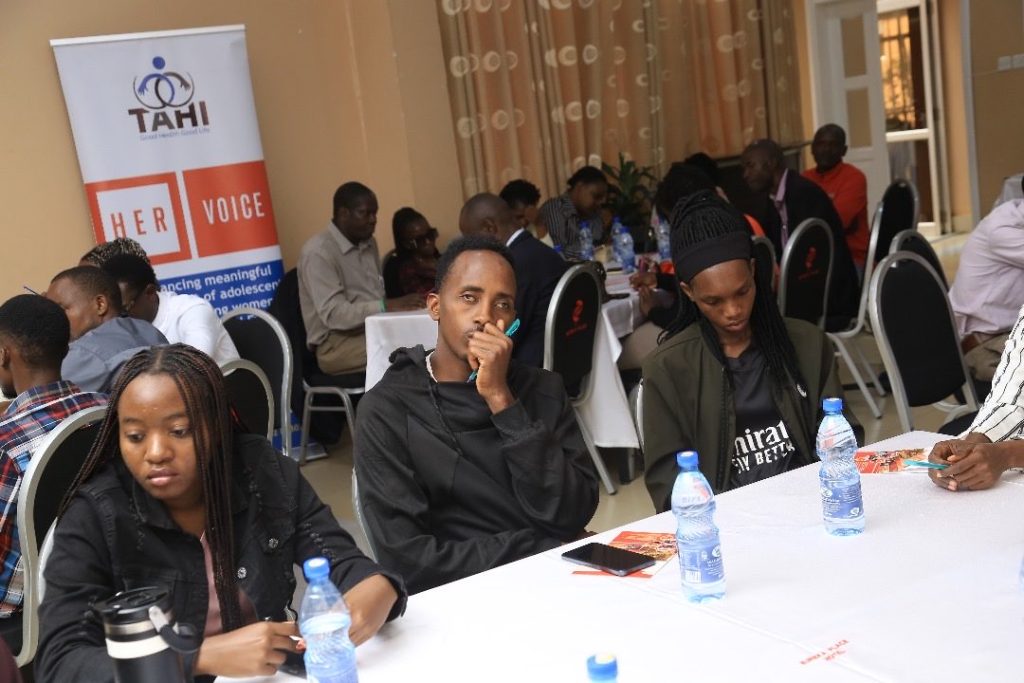
Held under the theme “Building Inclusive Health Systems that Leave No People with Disability Behind,” the summit brought together young people with disabilities, policymakers, government officials, civil society, and development partners to discuss strategies for integrating disability-inclusive approaches into Uganda’s health system.
Health Ministry Commits to Inclusion
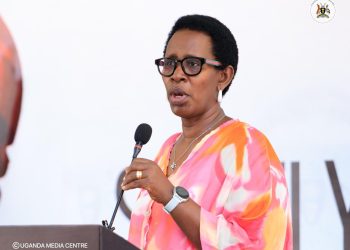
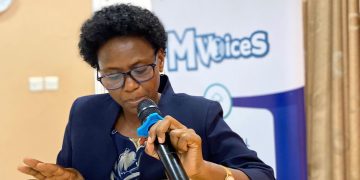
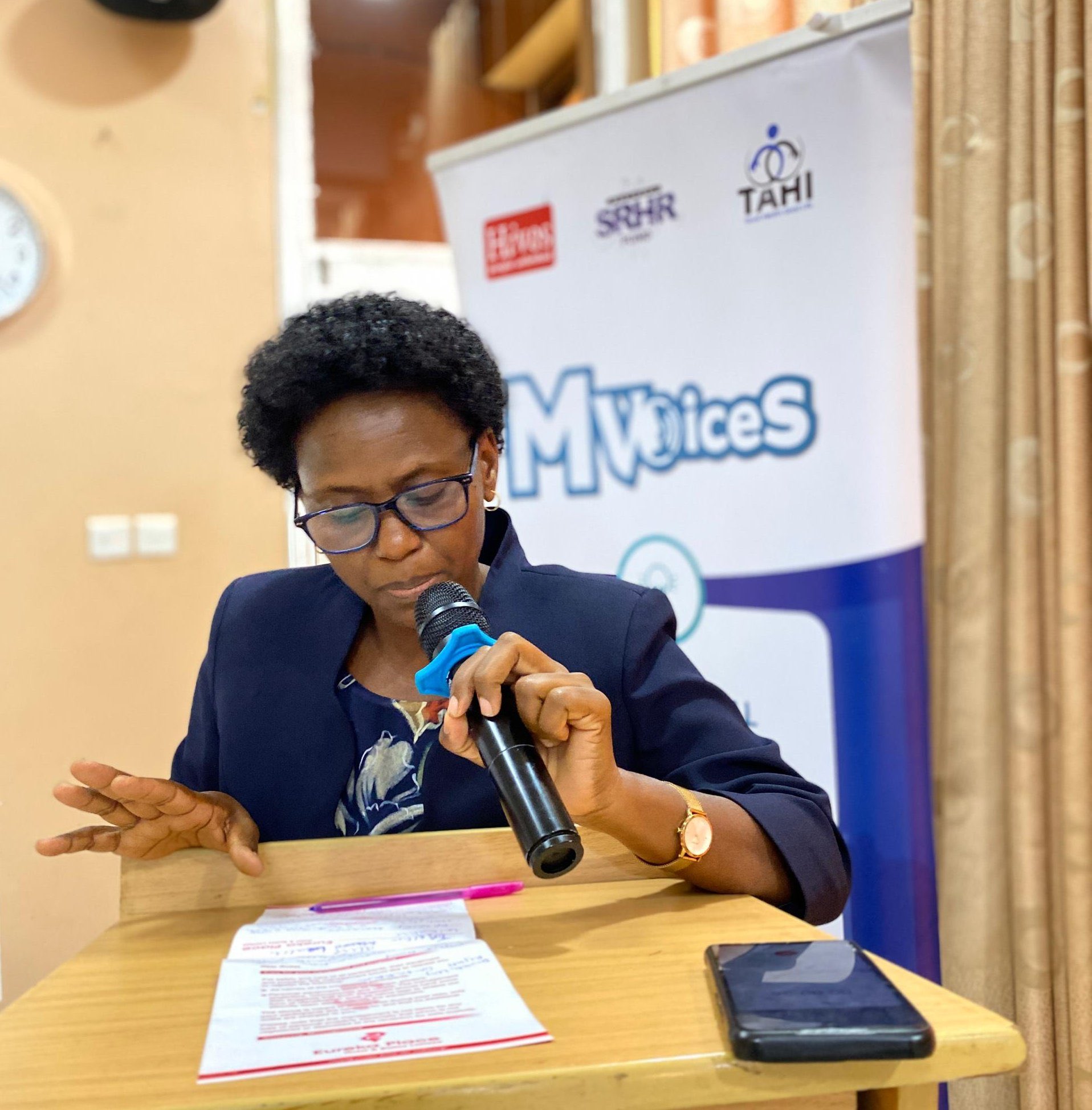
Dr. Irene Mwenyago, Assistant District Health Officer at the Ministry of Health, emphasized the government’s ongoing commitment to ensuring that no one is left behind in accessing health services.
“We are encouraging our health workers to take on sign language courses,” she said. “We’re on the right track, and it will be exciting to see voices from people with special needs reflected in our strategic documents.”
Dr. Mwenyago highlighted the Ministry’s collaboration with the Ministries of Education, Gender, Labour, and Social Development to create safe and inclusive environments for people with special needs. She also noted efforts to improve accessibility through ramps, Braille materials, and inclusive data systems that capture health indicators for persons with disabilities.
“Safe motherhood, immunization, and pre-conception care are all part of our broader goal to prevent disabilities and ensure healthier generations,” she added.
Amplifying the Voices of Young People with Disabilities
The summit, organized by Together Alive Health Initiative (TAHI), is part of the ongoing M-Voices Project, supported by Hivos under the SRHR Regional Fund and the Swedish Embassy. The project aims to increase the participation and representation of young people with disabilities aged 15–24 from Wakiso and Mukono districts in national policy formulation by 2025.
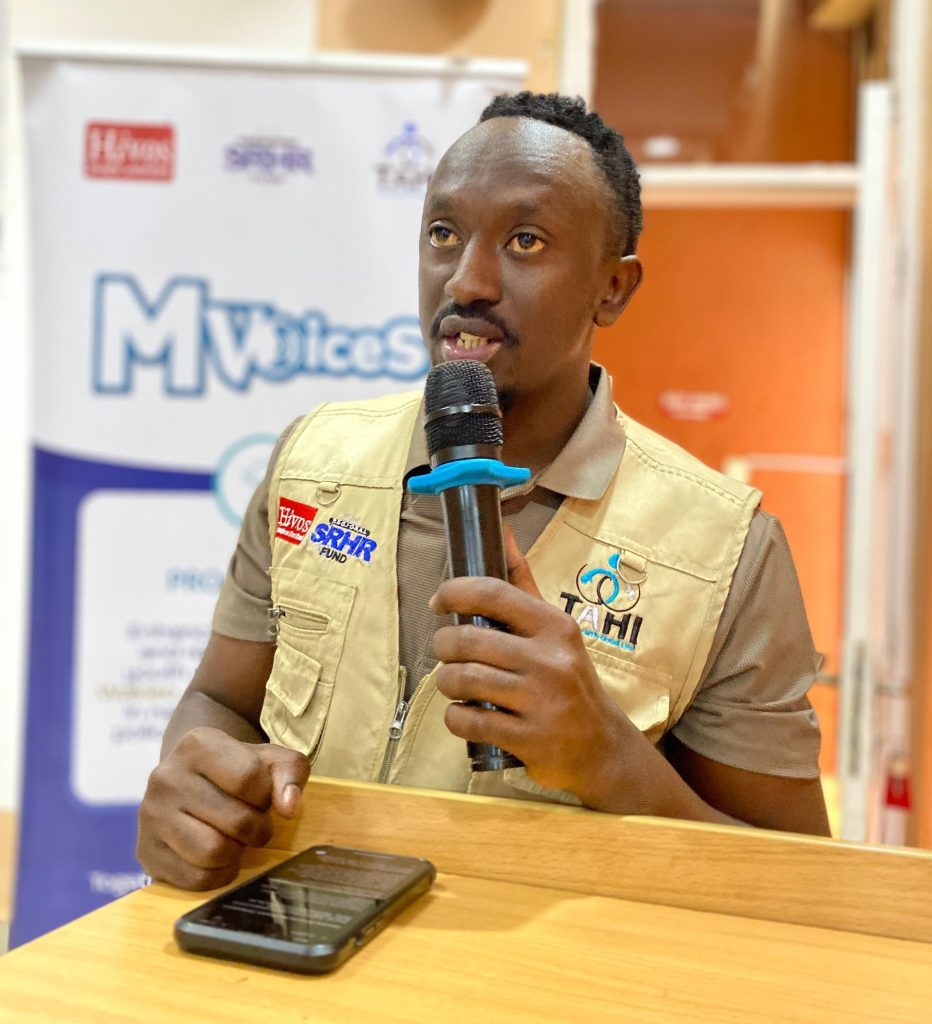
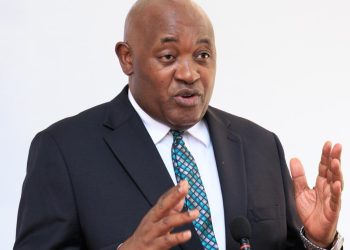
According to Charles Tumwebaze Ganza, Team Leader at TAHI, the summit provides a vital platform for young people with disabilities to engage directly with policymakers.
“We are here to ensure that the voices of young people with disabilities are heard and considered in health policies and implementation,” said Ganza. “Uganda has strong disability policies, but the real challenge is implementation. We must ensure that facilities, health communication, and staff training reflect inclusivity.”
He added that the summit also seeks to strengthen networks among government institutions, civil society, and the private sector to improve the wellbeing of persons with disabilities.
Addressing Persistent Barriers
Participants at the summit identified several barriers hindering meaningful participation of people with disabilities in policy spaces, including stigma, inaccessible infrastructure, and lack of sign language interpreters in health facilities.
Self-stigma and negative attitudes from others were cited as ongoing social challenges. Policy implementation gaps also persist, with many health facilities remaining inaccessible despite existing directives on inclusive infrastructure.
“Policies exist, but they often stop on paper,” Ganza noted. “The real work lies in translating those commitments into practice.”
A Call to Action
The Disability Rights Consortium issued a collective call to action during the summit:
- Government agencies were urged to strengthen policy and technical support for disability inclusion.
- Development partners were encouraged to provide financial and logistical assistance, including accessibility tools and interpretation services.
- Civil society organizations were called upon to advocate and mobilize communities.
- Media outlets were asked to amplify the voices emerging from the summit.
- Individuals and well-wishers were invited to contribute through small acts of support, such as sponsoring meals or transport for participants.
Uganda’s 2016 Uganda Bureau of Statistics report indicates that 12.4% of the population lives with a disability. Despite progressive policies like the Persons with Disabilities Act, gaps in representation and accessibility continue to hinder full inclusion.
Through platforms like the National M-Voices Inclusion Summit, stakeholders hope to bridge these gaps and ensure that young people with disabilities are not only heard but also actively shape the policies that affect their lives.
“We want a Uganda where every young person, regardless of ability, can access health services, voice their concerns, and live with dignity,” said Ganza.
About TAHI:
Together Alive Health Initiative (TAHI) is a youth-led organization dedicated to improving sexual and reproductive health and rights (SRHR), menstrual health, and gender equality among young people in Uganda. The organization works through community engagement, digital advocacy, and partnerships with public and not-for-profit institutions.