


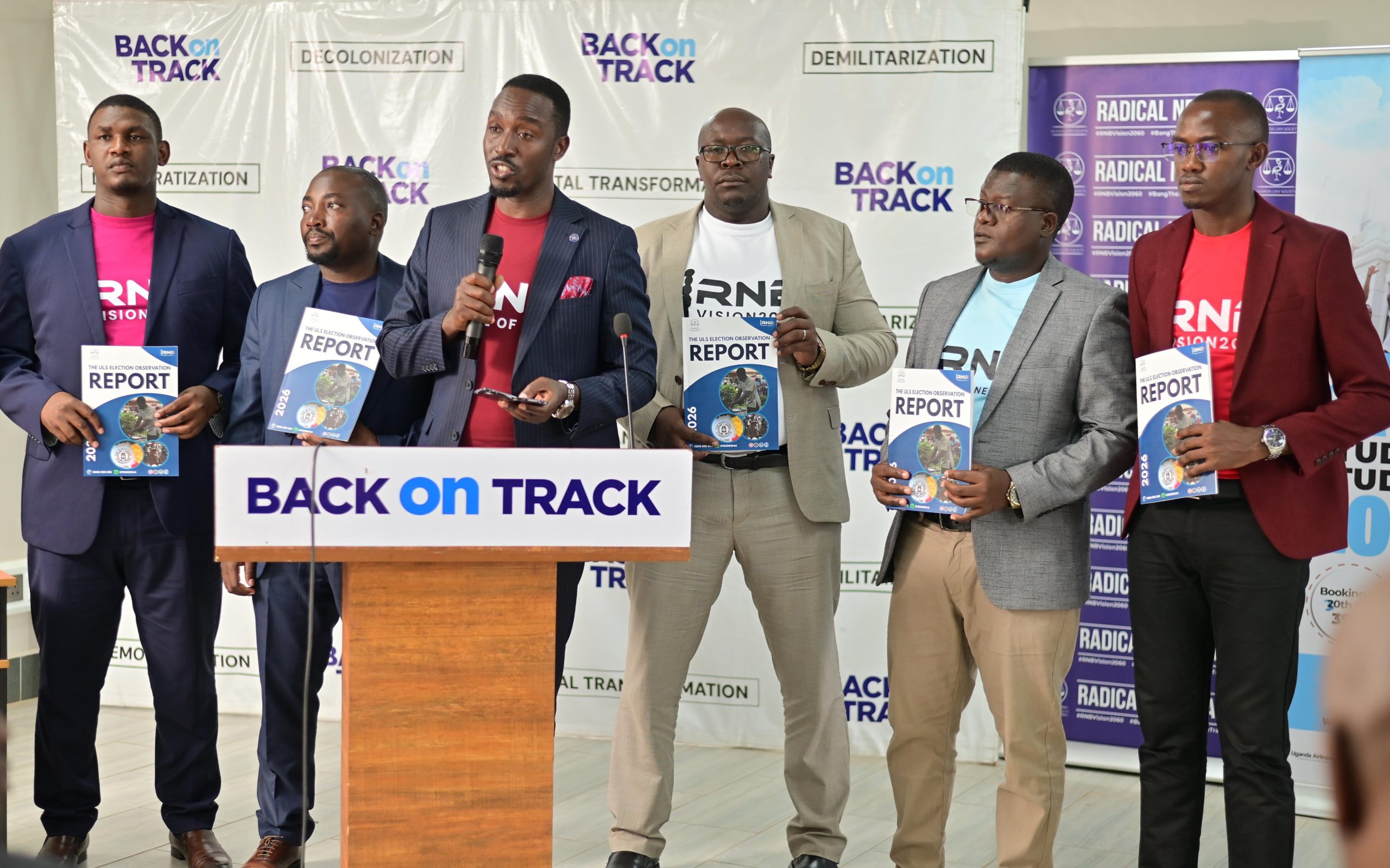
KAMPALA, Uganda: The Uganda Law Society (ULS) has sharply criticised the nationwide internet shutdown imposed during the just concluded January 2026 general elections, describing it as illegal, unconstitutional and a grave violation of citizens’ rights to access information and participate in a transparent electoral process.
In its election observation report released today, ULS notes that the shutdown of internet and social media platforms during the polling period was one of the most severe infringements on civil liberties witnessed during the elections.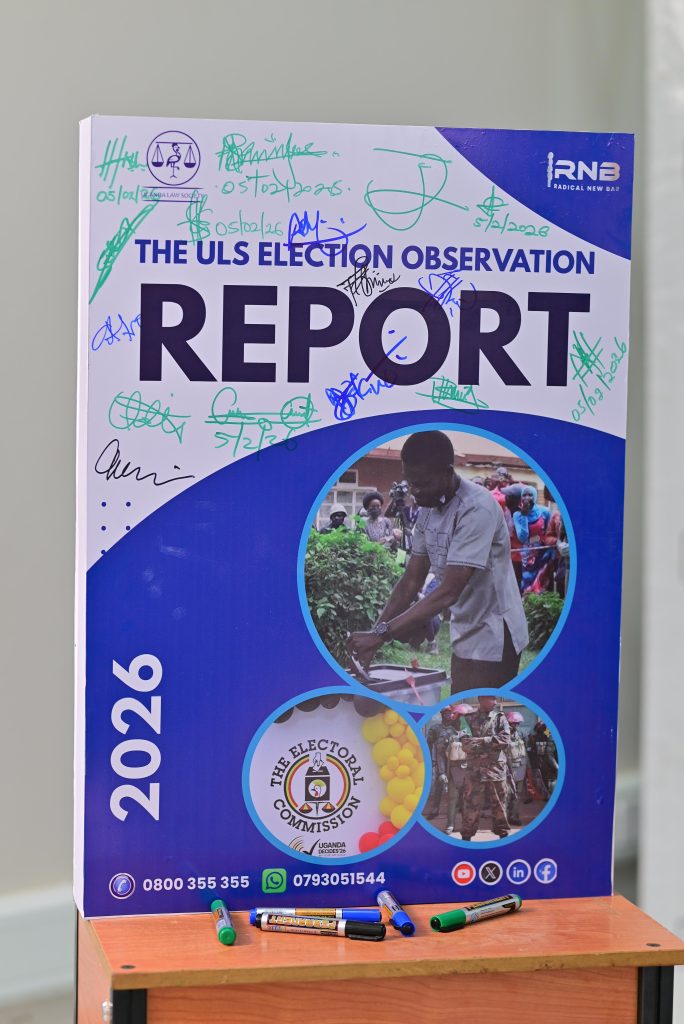 The Society argues that the Uganda Communications Commission (UCC) had no legal basis to order the shutdown, as no state of emergency had been declared under Article 110 of the Constitution.
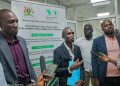
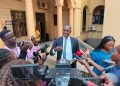
“The decision to shut down the internet at the height of the electoral process undermined transparency and accountability and raised serious questions about what the State was seeking to conceal,” said Asiimwe Anthony, Vice President of the Uganda Law Society. “Elections in a democratic society should be moments of maximum openness, not enforced silence.” he added.
Uganda held its general elections in January 2026 to elect the President, Members of Parliament and local government leaders, pursuant to Articles 1 and 59 of the Constitution. In fulfilment of its statutory mandate under Sections 3(d) and 3(e) of the ULS Act, the Uganda Law Society participated in the process as an accredited election observer, deploying over 300 advocates and council members across the country.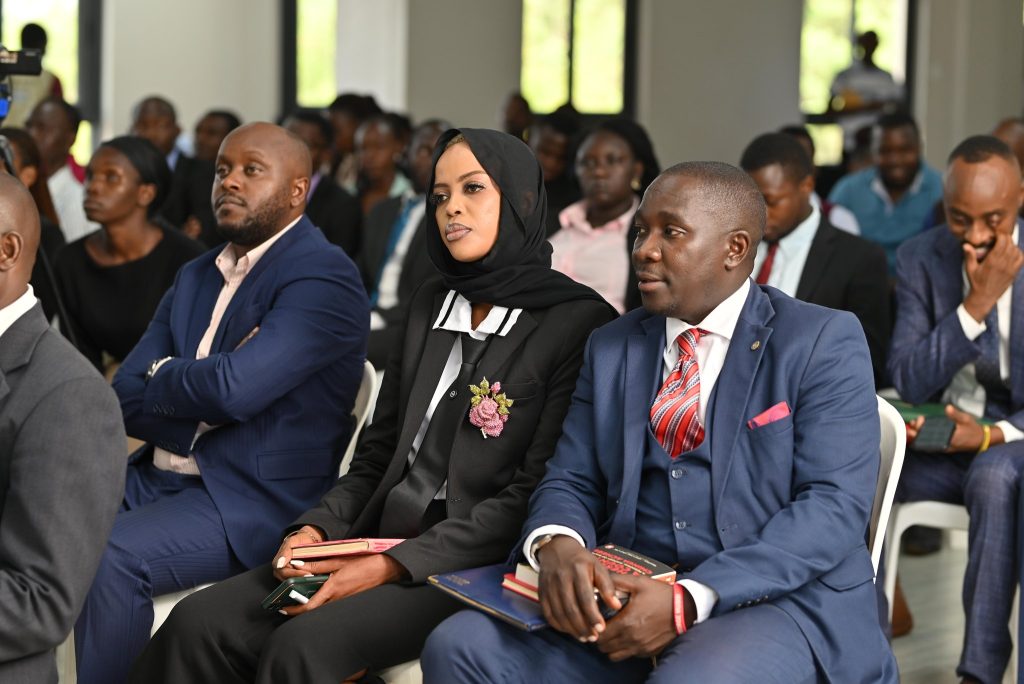 According to the report, the objective of the ULS observation mission was to assess the electoral process, promote transparency and accountability, document legal best practices and irregularities, and provide legal aid to individuals affected by violations during the electoral period.
Pre-election controversies and candidate disqualifications
ULS observed that the pre-election period was characterised by controversy, particularly during the nomination of candidates. Although more than 200 aspirants picked presidential nomination forms, only 38 returned them for verification, and ultimately only eight candidates were nominated.
The report raises concern over what it describes as inconsistent, opaque and potentially politically motivated disqualifications, especially on grounds of academic qualifications. Several parliamentary and local government candidates were removed from the race due to clerical errors, disputed signatures or alleged deficiencies in academic documentation.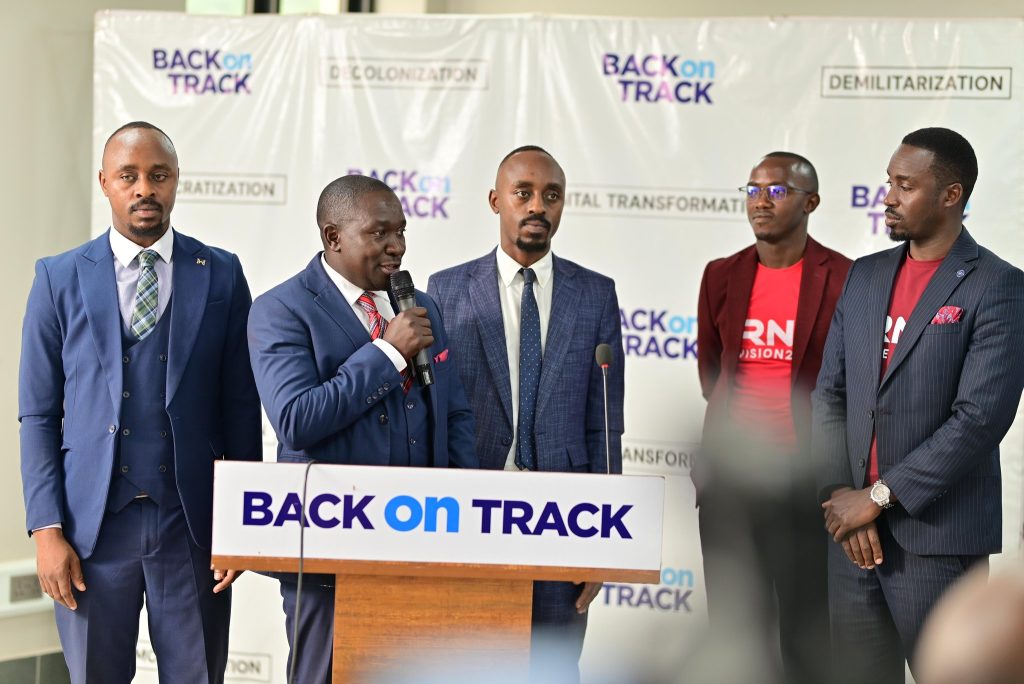 ULS noted that many opposition candidates appeared to be disproportionately affected, with media reports indicating selective verification by the Electoral Commission and limited opportunity for candidates to correct alleged defects.
Campaign period marked by arrests and violence
The campaign period, particularly for opposition parties, was described as “highly restrictive and violent.” The report highlights widespread arrests, intimidation and disruption of campaign activities, especially those associated with the National Unity Platform (NUP).
Security forces were accused of blocking rallies, dispersing supporters using teargas and live ammunition, and arresting campaign organisers across several districts including Gulu, Mbarara, Arua and parts of eastern and northern Uganda. ULS documented dozens of arrests in incidents linked to campaign activities, as well as at least one reported fatal shooting.
The report also condemned attacks on journalists, citing the assault of Ivan Mbadhi of BSS Terefayina TV in Kween district as a serious violation of press freedom. ULS demanded an independent investigation and accountability for officers involved.
Crackdown on civil society
ULS further expressed alarm over the arrest and prosecution of civil society actors, including civic activist Sarah Bireete and Mr Were Salim, founder of the Fanon App, during the electoral period. The Society said these actions reinforced perceptions that criminal law was being used to suppress dissent rather than maintain public order.
In addition, several civil society organisations were ordered to suspend operations just days before polling day, without prior notice or due process. ULS described the move as a calculated attempt to weaken civic oversight at a critical democratic moment.
Election day failures and judicial concerns
On polling day, ULS observers reported widespread delays caused by the failure of biometric voter verification machines, with voting in some areas starting hours late.
Although voting time was extended by one hour, the Society noted that this was insufficient to compensate for the lost time, potentially disenfranchising voters. Through its rapid response toll-free call centre, ULS received over 250 calls reporting election-related human rights violations across the country.
The report also raises serious concerns about the handling of post-election disputes, particularly the recount in the Masaka Woman MP race, where alleged irregularities involving ballot boxes were observed. ULS argues that the recount was conducted in violation of statutory provisions and binding judicial precedent.
Call for reforms
Throughout the electoral period, ULS issued press statements condemning violence, intimidation, attacks on the media and other human rights abuses, while calling on the State to uphold the rule of law and democratic principles. “As lawyers, our duty is to the Constitution and to the people of Uganda,” Asiimwe Anthony said. “This report is not just a record of what went wrong, but a call for urgent reforms to ensure future elections are genuinely free, fair and lawful.”
The Uganda Law Society says it hopes the findings will inform electoral reforms, strengthen democratic institutions and restore public confidence in Uganda’s electoral processes.