


KAMPALA, Uganda — Women’s rights organisations have raised concern over persistent gender inequalities in Uganda, noting that women own only 26 percent of registered land in the country despite providing the majority of agricultural labour and food production.
The concern was highlighted as Uganda marked International Women’s Day, with activists cautioning that the country’s commitments to gender equality could remain largely symbolic unless backed by stronger financing and concrete implementation.
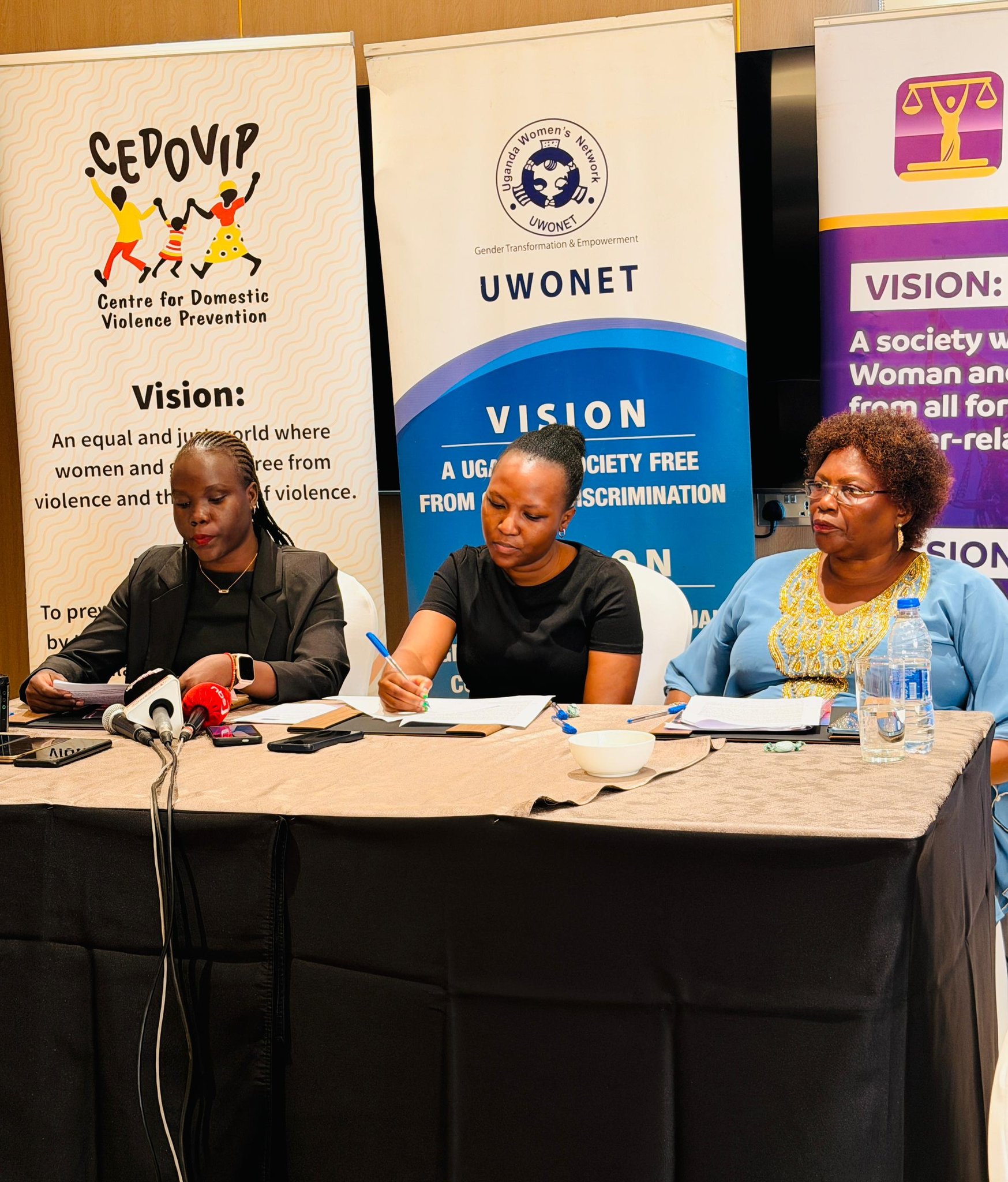
In a statement released on March 9, 2026, the Domestic Violence Act Coalition said Uganda has enacted several progressive policies and laws aimed at safeguarding women and girls. However, the coalition argued that many of these commitments fall short in practice due to limited funding, weak coordination among institutions, and insufficient accountability mechanisms.
Rose Wakikona, Deputy Executive Director of the Women’s Probono Initiative, said the day should be used to recognize the resilience and contribution of women across the country.
“Women in Uganda continue to shape the nation’s progress in many spaces, from farms and markets to classrooms, offices and homes. Their efforts deserve recognition and stronger support,” Wakikona said.
Even so, the coalition warned that although Uganda’s legal framework formally guarantees gender equality, many women still struggle to access those rights in their daily lives.
Across the country, advocates say women and girls continue to encounter barriers that limit their access to land ownership, education, healthcare services, employment opportunities, political participation and protection from violence.
The coalition highlighted what it described as a major contradiction in the agricultural sector: while women contribute over 75 percent of farm labour, produce roughly 70–75 percent of the country’s food, and handle more than 90 percent of primary agricultural processing, their control over land remains minimal.
“This imbalance reflects a deeper structural inequality where women sustain the agricultural economy but rarely control the resources behind it,” the statement said.
Rights groups also pointed to ongoing health and social protection challenges affecting women. Uganda’s maternal mortality rate stands at 189 deaths per 100,000 live births, while teenage pregnancy remains at 26 percent, the highest rate in East Africa.
Additionally, advocates estimate that about 95 percent of women and girls aged 15 and above have experienced some form of physical, sexual or psychological violence, either from partners or other perpetrators.
Activists say such figures demonstrate why gender equality efforts must go beyond policy statements and translate into tangible investment and practical programmes.
“This year’s theme—Give to Gain: Scaling Up Investment for the Delivery of Gender Equality and Women and Girls’ Empowerment in Uganda—underscores that progress will require more than goodwill. Real financial commitment is essential,” Wakikona noted.
The coalition said meaningful change will require sustained funding for gender-responsive services, stronger systems to prevent and respond to gender-based violence, and wider opportunities for women in education, agriculture, business and leadership.
Patience Poni Ayikoru from FIDA Uganda acknowledged that Uganda has made some strides in recent years. She cited higher school enrolment among girls and increasing representation of women in leadership, with women currently holding about 45 percent of cabinet positions.
She also pointed to reforms such as amendments to the Succession Act, which recognise girls as legitimate heirs, as examples of progress achieved through sustained advocacy.
However, gender specialists say the next stage of reform must focus on deep structural change rather than symbolic representation.
Gender expert Fatuma Nakazi said true justice for women should extend beyond legal texts and institutions.
“Equality must also be visible in everyday life—within households where care responsibilities are shared, in business spaces where women have equal access to capital, and in communities where violence is confronted instead of ignored,” Nakazi said.
The coalition is urging the government to increase funding for gender equality programmes in the national budget and called on Parliament to expedite several pending laws, including the National Legal Aid Bill 2022, the Marriage Bill 2024, and the Sexual Offences Bill 2024.
Advocates also appealed to cultural leaders, religious institutions, development partners and communities to challenge harmful social norms and support safe reporting mechanisms for survivors of violence.
They stressed that protecting the rights and dignity of women is both a constitutional responsibility and a critical foundation for sustainable national development.
“As Uganda marks International Women’s Day, the country must move beyond promises and demonstrate commitment through funding, reforms and accountability,” the coalition said. “Protecting women’s rights ultimately protects the future of the nation.”