


KAMPALA, Uganda : Child protection, safeguarding, and access to education have emerged as major concerns affecting millions of children in Uganda, with religious leaders and development partners warning that poverty, neglect, harmful cultural practices, and lack of parental support continue to push many children out of school and expose them to abuse.
The concerns were raised during a two-day consultative meeting organized by Compassion International Uganda in Kampala bringing together church and denominational leaders from eastern and central Uganda to evaluate progress in child development programs and discuss strategies for strengthening child protection and education initiatives across the country.
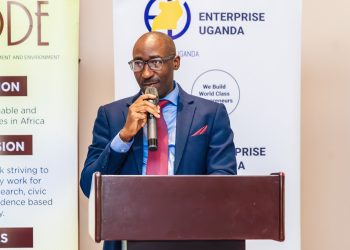
Speaking during the meeting, Emmanuel Ahimbisibwe, the national director of Compassion international Uganda said despite progress made over the years, child protection and safeguarding remain among the biggest challenges facing communities.
Ahimbisibwe said many children continue to suffer neglect, violence, starvation, and harmful traditional practices, including female genital mutilation (FGM), due to deeply rooted cultural beliefs and irresponsible parenting.
“We still have communities where people believe a child cannot grow up properly unless they are beaten or battered. We continue to receive reports of neglected children, children who are starved, and even fathers who abandon their responsibilities after having children,” he said.
He noted that while attitudes are gradually changing through church-led sensitization and community programs, more effort is still needed to protect vulnerable children and ensure they access education in safe environments.
Ahimbisibwe explained that Compassion International works through partnerships with evangelical churches to provide holistic child development programs aimed at improving children’s welfare spiritually, socially, economically, and academically.
“Child protection is a major priority because if children are not safe, they cannot learn properly or achieve their dreams,” he said.
According to Ahimbisibwe, Compassion International has partnered with over 487 churches operating in 124 out of Uganda’s 146 districts since the organization started operations in the country in 1980.
He said the organization holds consultative meetings every two years to review achievements, assess challenges, and plan future interventions with church leaders.
“This meeting allows us to reflect on what we have achieved in the last two years, share feedback, evaluate our progress, and agree on the next steps for supporting children and families across the country,” he explained.
Education was highlighted as one of the organization’s biggest achievements over the years.
Ahimbisibwe revealed that thousands of children have been supported through primary, secondary, university, and vocational education programs, helping many vulnerable children remain in school despite economic hardships.
He added that more than 90,000 youths have graduated from Compassion-supported programs in various disciplines and are now working in government institutions, NGOs, and private sector organizations across Uganda.
“We have seen many young people become productive citizens after going through our programs. They are now serving in different sectors and contributing positively to national development,” he said.
The organization also credited its partnerships with churches and communities for contributing toward improvements in child health and reductions in infant mortality rates.
Ahimbisibwe noted that several years ago Uganda’s infant mortality rates were significantly higher, but continued investments in health, nutrition, and community sensitization have helped improve child survival.
He further revealed that household incomes among beneficiary families have improved through income-generating projects introduced by church partners.
“Many families that previously had no stable source of income are now able to support their children and even care for siblings because of economic empowerment programs,” he said.
In addition, the organization celebrated achievements in water, sanitation, and hygiene, saying more than 65 supported projects now have access to clean water and sanitation facilities.
As a Christian organization, Compassion International also emphasized spiritual growth and discipleship among children and families.
Ahimbisibwe disclosed that over 54,000 children and household members have committed their lives to Christianity through church-led programs supported by the organization.
“We believe that transforming hearts and attitudes is important for transforming communities and the nation at large,” he added.
Despite the progress, Ahimbisibwe acknowledged that the demand for support remains overwhelming.
He said Compassion International is currently supporting more than 161,000 children nationwide, yet an estimated 9.5 million children in Uganda are still living in extreme poverty.
“Our resources are still far below the level of need. Every day we encounter more vulnerable children who require assistance than the resources available to support them,” he noted.
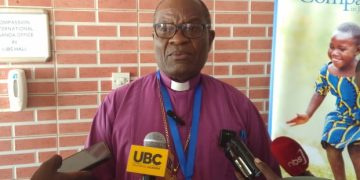
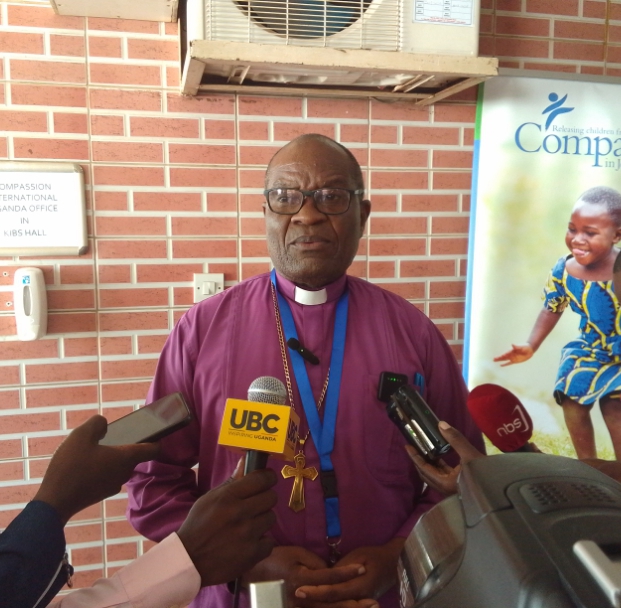
Meanwhile, Bishop Hannington Suubi, the bishop of East Busoga said poverty, unemployment, and child neglect continue to affect many rural families, especially in eastern Uganda.
The bishop observed that many women in rural communities carry the burden of raising children and paying school fees while some men neglect their responsibilities.
“In many homes, women work the whole day to feed families and educate children while some men remain idle. This has greatly affected children’s welfare and education,” he said.
Bishop Suubi said many children are dropping out of school because parents fail to provide basic requirements such as uniforms, books, and meals despite government efforts to provide free education.
“Government provides teachers, textbooks, and school buildings, but parents are expected to provide meals, uniforms, and scholastic materials. Unfortunately, many children report to school without these necessities, and eventually they drop out,” he explained.
He particularly highlighted the challenges in Bugiri and Namayingo districts, where poverty levels remain high and school dropout rates continue to worry community leaders.
The bishop commended Compassion International for helping vulnerable children stay in school through sponsorship programs, counseling, vocational training, and spiritual mentorship.
“Children are receiving counseling, life skills, and Christian teachings during weekends and holidays, which is helping them grow into responsible citizens,” he said.
Bishop Suubi added that the diocese has intensified mindset change campaigns to encourage parents to work hard and prioritize children’s education.
Also speaking at the meeting, Dr Nicholas Kalyebala emphasized that child protection is central to all programs implemented by the organization.
“If children are not protected, they will not receive the education we desire for them, and they will not achieve their developmental milestones,” Dr. Kalyebala said.
He explained that Compassion International works with churches to implement programs focused on education improvement, food security, household income enhancement, healthcare, and youth empowerment.
Dr. Kalyebala further revealed that the organization’s partnerships with churches usually run for between 15 and 20 years, after which churches are equipped with sustainability programs to continue supporting communities independently.
“We do not work with churches forever. Our goal is to equip them with knowledge, systems, and programs that can continue serving children and communities even after the partnership ends,” he explained.
He said the consultative meeting also aimed at reviewing ministry directions, discussing emerging challenges, and identifying practical solutions to improve the welfare of vulnerable children and families across Uganda.