


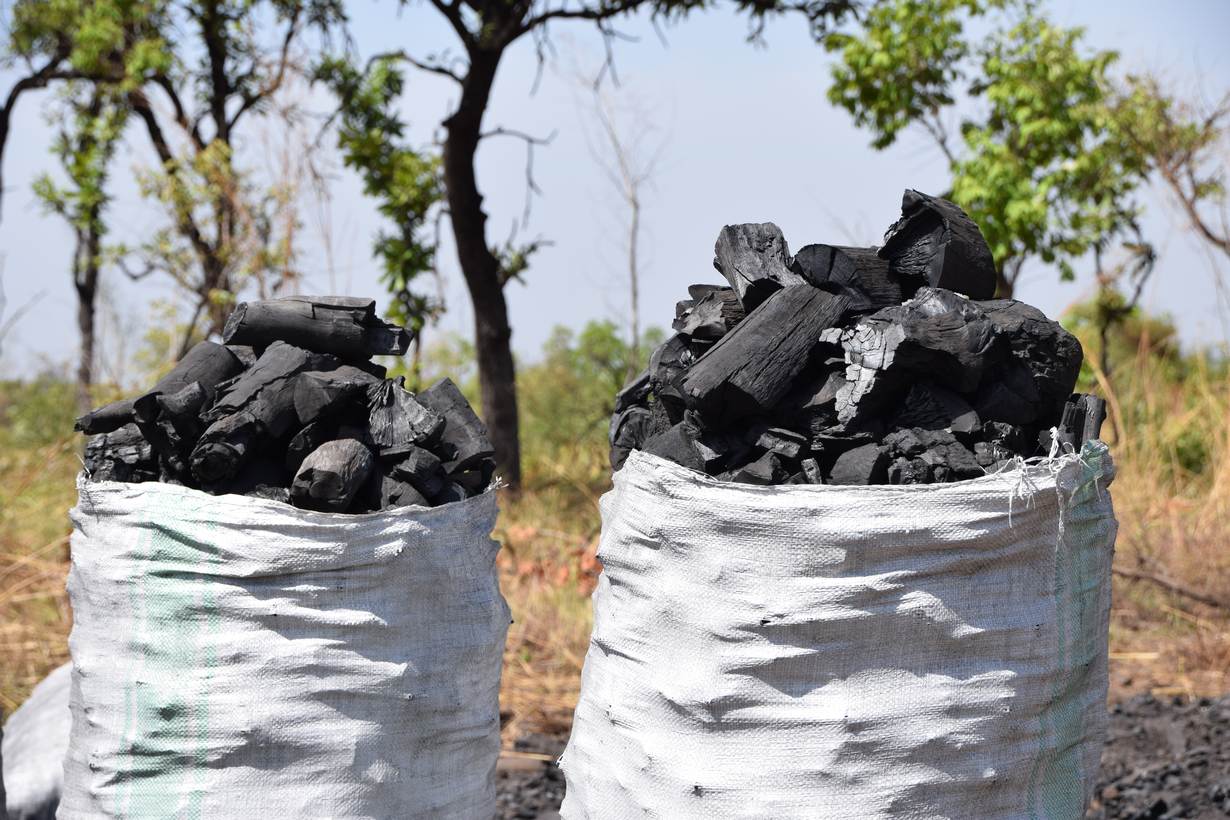
KAMPALA, Uganda — Policymakers, researchers, and energy stakeholders convened at the Sheraton Kampala Hotel for a high-level environment policy dialogue highlighting the growing dilemma of sustainable charcoal production and use in Uganda.
Organized by the Economic Policy Research Centre, the inaugural quarterly dialogue focused on the theme: “The dilemma of attaining sustainable charcoal production and utilisation in Uganda.” The discussion underscored the complex intersection between energy access, environmental conservation, and livelihoods.
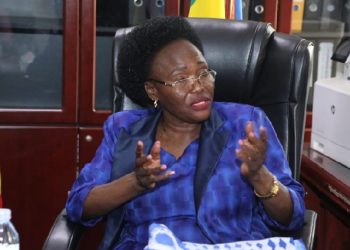
Dr. Sarah Ssewanyana, Executive Director of the Centre, emphasized that charcoal remains one of the most widely understood and accessible energy sources in the country, despite its environmental and health implications.
“Charcoal is not the only driver of deforestation, but it is central to Uganda’s energy debate,” she noted, adding that achieving the goals outlined in the Uganda National Development Plan IV and the country’s long-term growth strategies will require coordinated action and a shift toward cleaner energy sources.
Heavy Dependence on Charcoal
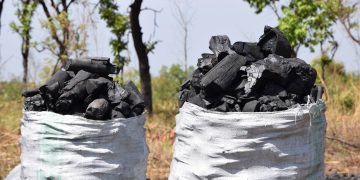
Charcoal continues to dominate household energy use, particularly in urban areas. Recent data indicates that nearly half of Uganda’s urban households rely on charcoal for cooking, with the figure rising to over 70% in Kampala. In contrast, only about 5% of households use cleaner alternatives such as liquefied petroleum gas (LPG) or electricity.
Despite increased electricity generation, high costs and unreliable supply have limited its adoption. Even wealthier households continue to depend on charcoal, pointing to deeper structural and behavioral challenges.
Livelihoods at Stake
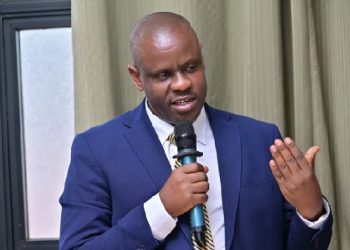
The charcoal value chain is a significant source of income, supporting over 200,000 jobs nationwide, from producers and transporters to traders and retailers. According to Dr. Linda Nakatto, a researcher at the Centre, the actual number of people relying on charcoal is likely much higher due to the sector’s largely informal nature.
“Any transition away from charcoal must consider the livelihoods of those who depend on it, especially in poorer regions like Northern and Northeastern Uganda,” she explained. In regions such as Karamoja, where poverty levels exceed 70%, charcoal production remains a critical survival strategy.
Environmental and Health Concerns
Uganda is losing approximately 72,000 hectares of forest annually, largely due to charcoal production and firewood use. Forest cover has declined significantly over the past two decades, raising concerns about long-term environmental sustainability.
Additionally, charcoal use contributes to household air pollution, exposing millions especially women and children to harmful emissions. Health experts estimate that thousands of deaths annually are linked to indoor air pollution from traditional cooking methods.
Policy Dilemma and Global Commitments
Uganda’s reliance on charcoal poses a challenge to achieving United Nations Sustainable Development Goals, particularly Goal 7, which targets access to affordable, reliable, and clean energy by 2030.
While the government has introduced measures such as subsidized LPG, electricity tariffs for cooking, and improved cookstoves, adoption remains low due to affordability, accessibility, and cultural preferences.
Efforts to restrict charcoal production—such as Executive Order No. 3 of 2023 banning commercial production in some regions have also led to unintended consequences, including shifting production to other parts of the country.
Call for Coordinated Action
Speakers at the dialogue stressed that fragmented approaches will not deliver results. Dr. Ssewanyana called for stronger coordination among stakeholders, noting that “the silo way of working is not going to get Uganda anywhere.”
The dialogue aims to foster collaboration across government agencies, private sector actors, and communities to design a “just transition” that balances environmental goals with economic realities.
Key discussion areas included restructuring the charcoal value chain, scaling up clean cooking alternatives, and aligning policies to ensure that vulnerable populations are not left behind.
As Uganda continues to urbanize rapidly, demand for affordable energy is expected to grow, intensifying pressure on forest resources. Experts warn that without a well-coordinated transition strategy, the country risks both environmental degradation and stalled progress toward clean energy goals.
The policy dialogue marks the beginning of a series of quarterly engagements aimed at shaping sustainable environmental policies and guiding Uganda toward a cleaner, more resilient energy future.