

NTINDA, Kampala: Civil society organizations in Uganda have challenged claims by the Financial Intelligence Authority (FIA) that some non-governmental organizations are holding up to 70 billion shillings, demanding that the agency provide evidence to support the allegations.
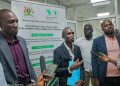
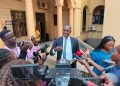
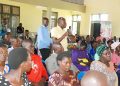
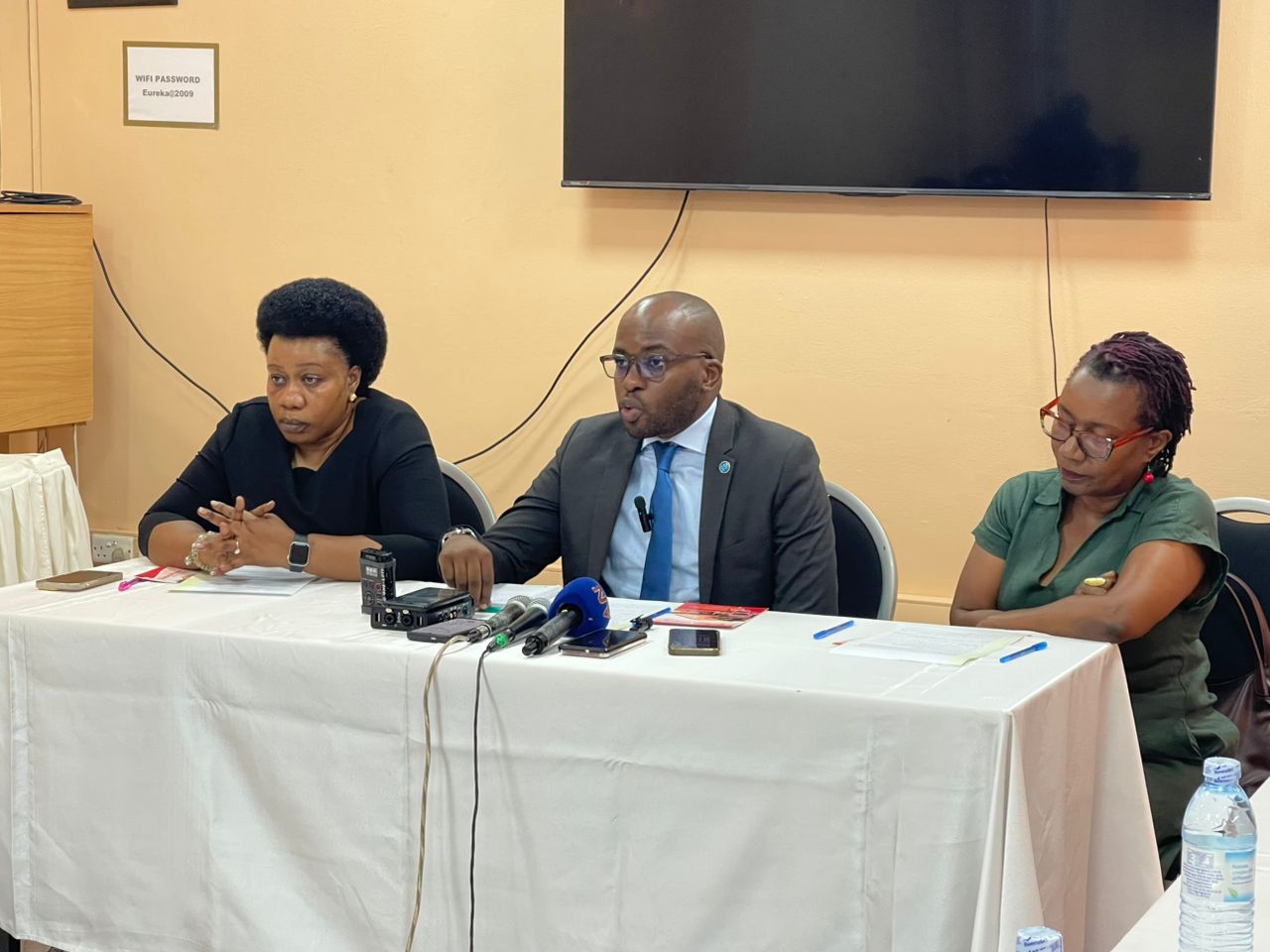
The response came during a press conference held today by civil society leaders, where they also addressed the recent freezing of NGO bank accounts and what they described as a growing crackdown on the sector.
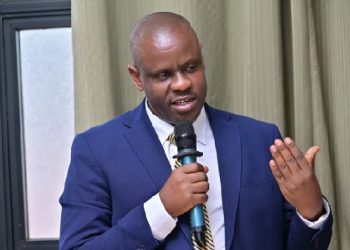
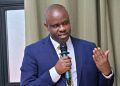
In a joint statement read by Dr. Sarah Bireete, executive director of Center for Constitutional Governance and Andrew Karamaji, a Ugandan lawyer on behalf of other leaders, the organizations accused authorities of promoting “systematic negative narratives, threats, and illegal actions” aimed at weakening civic engagement.
“We have heard claims that NGOs are holding up to 70 billion shillings,” Bireete said. “We challenge the Financial Intelligence Authority to present evidence to support these allegations instead of making statements that damage the credibility of the sector.”
Dispute Over Frozen Accounts
The dispute follows recent action by the FIA to freeze the bank accounts of several NGOs as part of investigations into suspected financial irregularities and the sources of their funding.
According to FIA Director Samuel Wandera, the move was carried out in collaboration with other government agencies to examine financial flows and ensure compliance with regulatory requirements. Authorities say the affected organizations have been asked to explain the origin of their funds and how the money has been used.
Sources familiar with the investigations estimate that the organizations collectively received more than 70 billion shillings in recent years, raising concerns among regulators about accountability, particularly regarding foreign funding.
However, civil society leaders dismissed the claims as unverified and harmful, arguing that such actions undermine trust and disrupt critical services.
Growing Tensions Between Government and Civil Society
CSOs emphasized that their work is protected under the Constitution and plays a vital role in Uganda’s development, especially in providing healthcare, education, and legal aid in underserved communities.
They accused the government of portraying NGOs as threats to national security and agents of foreign interests—claims they described as unfounded.
“We are not enemies of the state,” Bireete said. “Our work supports citizens where services are lacking and strengthens accountability.”
Karamaji added that the current situation reflects a broader pattern. “This is not isolated,” he said. “It shows a consistent effort to shrink civic space, especially at critical political moments when citizens need independent voices.”
Pattern of Crackdowns
Civil society groups pointed to previous incidents they say demonstrate a pattern of hostility, including the 2017 raids on NGOs during the presidential age limit debate and the suspension of 54 organizations in 2021.
They argue that recent actions, coming ahead of the 2026 General Elections, are part of a continued effort to silence scrutiny on governance issues such as corruption, human rights, and electoral processes.
Legal and Regulatory Concerns
The organizations also raised concerns about recent legal and administrative changes affecting the sector. They cited amendments to NGO laws that shifted oversight to the Ministry of Internal Affairs, which they say has created a regulatory gap.
They further criticized the freezing of accounts without due process, noting that courts have previously ruled against indefinite account freezes without evidence being presented.
“Even with clear court rulings, these practices continue,” Karamaji said. “This raises serious concerns about respect for the rule of law.”
The groups also warned against proposed measures that could increase government control over NGO funding, arguing that such policies could undermine the independence of civil society organizations.
Impact on Citizens
Civil society leaders warned that the crackdown could have serious consequences for ordinary Ugandans. Many communities rely on NGOs for essential services, and disruptions could leave vulnerable populations without access to healthcare, education, and legal support.
They also cautioned that the situation could weaken accountability and transparency while affecting employment and the broader economy, given the sector’s contribution to jobs and foreign exchange.
Bireete said the environment is increasingly creating fear among citizens. “When civic voices are criminalized, it affects everyone—activists, journalists, and ordinary people alike,” she said.
Calls for Accountability and Dialogue
The organizations called on the government to reverse the suspension of NGOs, unfreeze affected bank accounts, and respect constitutional rights to association and expression.
They also urged authorities to halt actions and proposals that could restrict NGO operations and funding, emphasizing the need for dialogue and partnership.
“Civil society should be seen as a partner in development, not an adversary,” Bireete said.
Investigations Ongoing
Meanwhile, authorities maintain that the investigations are ongoing. Officials say once the FIA completes its review, the matter will be forwarded to police and later to the Director of Public Prosecutions to determine whether any legal action should be taken.
The developments come amid heightened scrutiny of NGO operations in Uganda, with the government emphasizing transparency and accountability, while civil society groups warn of shrinking civic space and increasing pressure on their work.
Despite the tensions, civil society leaders say they remain committed to their mission. “We will continue to stand for justice and the rights of Ugandans using every lawful avenue available,” Karamaji said.