


KAMPALA, Uganda: The Government of Uganda has reaffirmed its commitment to integrating herbal medicine into the national primary health care system, signaling a major step toward recognizing traditional healing practices as a vital component of the country’s healthcare framework.
The announcement was made by Dr. Charles Olaro, Director General of Health Services at the Ministry of Health Uganda, during the recently concluded 5th Uganda Pharma Expo and Conference held from March 26–28 at the UMA Multipurpose Hall in Lugogo.
Dr. Olaro commended the leadership of the Uganda Herbalists Association (UHA) for mobilizing public awareness and support toward the integration of herbal medicine into formal healthcare systems. He emphasized that the enactment of the Traditional and Complementary Medicines Act provides a strong legal foundation for this transition.
“With the legal framework now in place, it is important to formally integrate herbal medicine into primary healthcare, given the complementary role it plays alongside conventional medicine,” Dr. Olaro noted.
The three-day expo, organized by Exhibitions and Trade Services India Private Limited (ETSIPL), attracted participants from eight countries, bringing together over 100 exhibitors showcasing pharmaceutical products, technologies, and healthcare infrastructure innovations.
Dr. Olaro highlighted the growing public acceptance of herbal medicine but raised concern over the rise of unregulated practitioners. He warned against “quack herbalists” who exploit patients with false claims of curing multiple illnesses using unverified remedies.
“The government, in collaboration with stakeholders such as drug inspectors, environmentalists, civil society organizations, and law enforcement, will continue intelligence-led operations to eliminate fraudulent practices,” he stated.
He also recognized the contribution of UHA President Mukwaya Jamil Lutakome, who represents herbal practitioners on the board of the National Drug Authority Uganda, for promoting responsible use and regulation of herbal medicine.
In response, Lutakome welcomed the government’s support and pledged to mobilize the association’s estimated 80,000 members to work closely with authorities. He emphasized strengthening policy advocacy, promoting safe use of herbal products, and supporting their integration into the national healthcare system.
Lutakome also applauded ETSIPL CEO Dogvijay Singh for organizing the expo, noting that it provides a valuable platform for knowledge exchange and exposure to modern technologies in both herbal and pharmaceutical sectors.
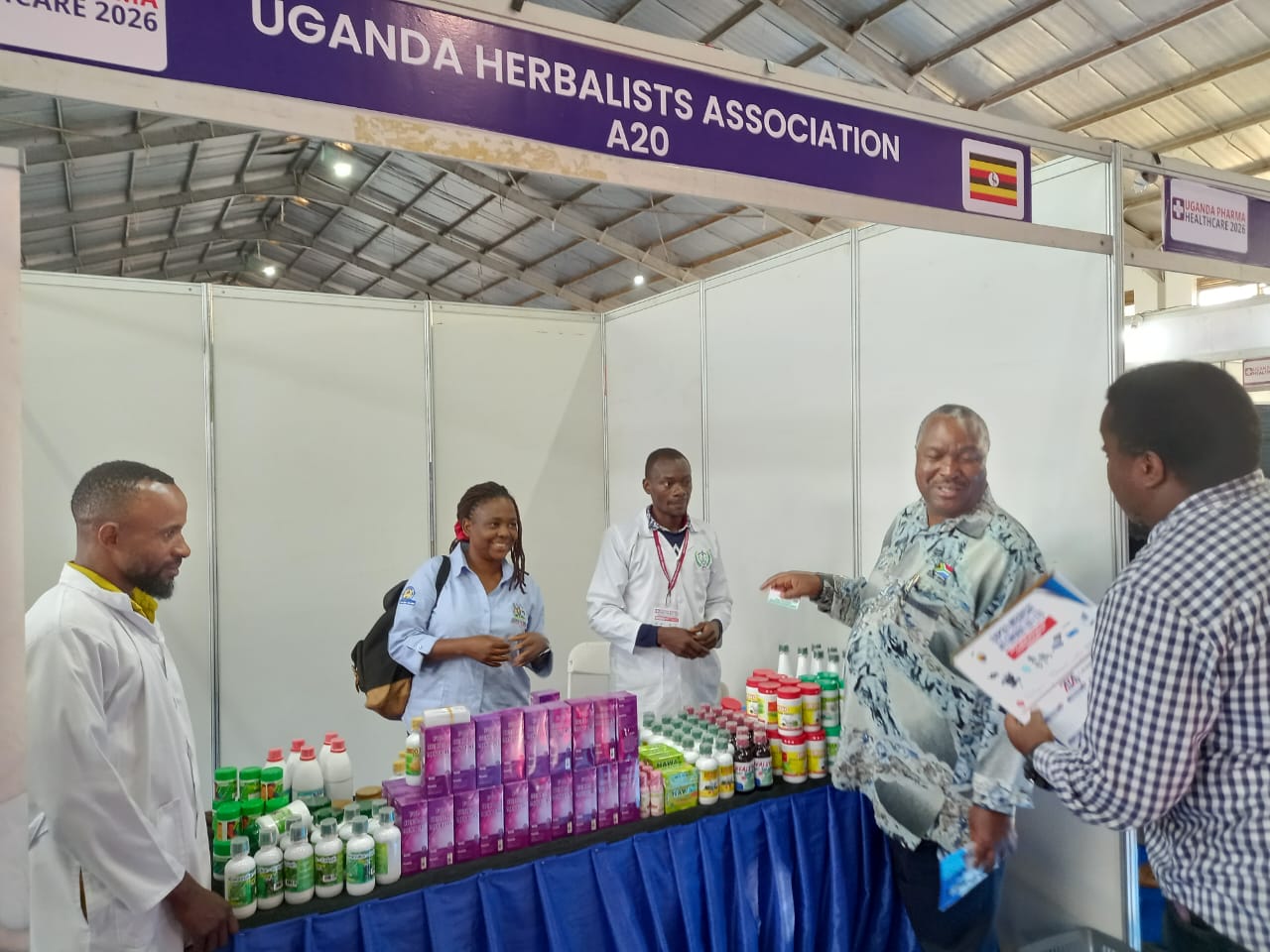
Meanwhile, Elioda Tumwesigye, Member of Parliament-elect for Sheema North, expressed optimism about the progress being made by herbal practitioners. While touring exhibition stalls, he praised improvements in product packaging and presentation, noting that many herbal products are increasingly meeting modern standards.