


MAKERERE, Uganda : Makerere University is continuing to benefit from its strong and growing partnership with the Japan International Cooperation Agency, a collaboration that has led to the introduction of a new master’s programme titled “East Asia–African Relations Since 1945.”
The programme, implemented under the College of Humanities and Social Sciences (CHUSS), is already attracting a growing number of students interested in Japanese studies in Uganda. It aims to deepen understanding of Japan’s role in global development and strengthen academic engagement between Africa and East Asia.
The Principal of CHUSS, Prof. Hellen Nambalirwa Nkabala, confirmed that the partnership with JICA has significantly enhanced the college’s capacity to train students. She noted that the programme equips learners with the knowledge and perspective needed to appreciate Japan’s contribution to international development cooperation and global policy.
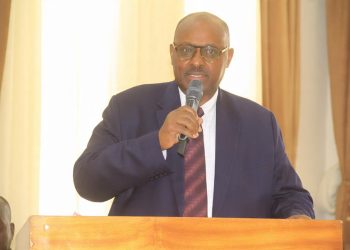
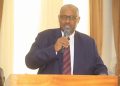
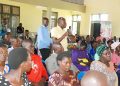
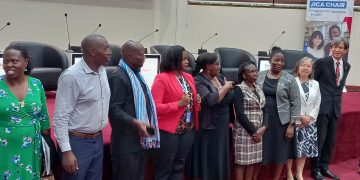
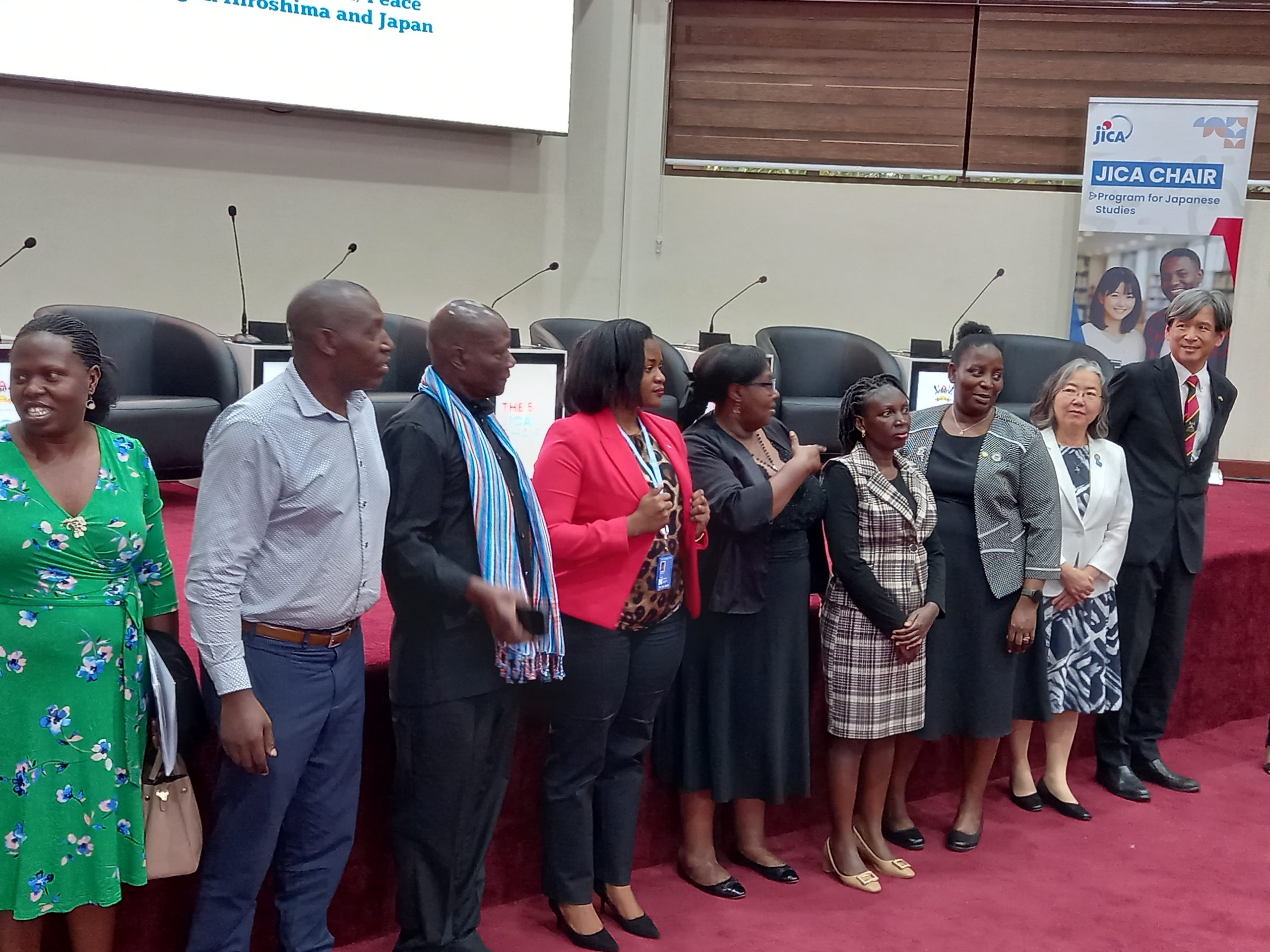
Speaking on March 25, 2026, during the 5th JICA Chair Programme in Uganda, JICA Chief Representative Inoue Yoichi praised the long-standing relationship between JICA and Uganda, particularly in the education sector. He commended Prof. Nkabala and her team for successfully implementing the new master’s course, saying it would further strengthen students’ understanding of Japanese studies and their relevance in today’s world.
The event featured a keynote address by Mikami Chisa from the Ashinaga Foundation and the United Nations Institute for Training and Research. Her presentation, titled “From Devastation to Resilience: Lessons from Hiroshima for Post-war Reconstruction and Sustainable Peace,” highlighted Japan’s recovery journey and the lessons it offers for global peace and development.
The JICA Chair Programme is a global academic initiative that partners with universities to share Japan’s experiences in modernization, development cooperation, and post-war reconstruction. It provides valuable insights for students, researchers, and policymakers seeking to understand pathways to sustainable development.
Since its introduction at Makerere University in 2022, the programme has steadily grown in impact. The inaugural session featured Andrea Pressello from the National Graduate Institute for Policy Studies (GRIPS), focusing on Japan’s foreign policy in the post-World War II era. Subsequent sessions expanded into key sectors, including agriculture, where Tsuboi Tatsushi shared lessons on rice production and modernization, drawing from his extensive experience in Uganda.
The programme also explored industrial development through a collaboration with the College of Business and Management Sciences (COBAMS), with insights from Takahashi Motoki of Kyoto University. Another session, hosted by CHUSS, examined the evolution of JICA’s work in Africa, featuring a lecture by Hiroshi Kato on Uganda–Japan cooperation and future prospects.
According to Yoichi, the success of these engagements sparked growing interest in Japanese history, economic development, and international cooperation among students and faculty. This momentum ultimately led to the establishment of the new master’s programme within the Department of History, Archaeology and Heritage Studies under CHUSS.
Introduced in the 2024/2025 academic year, the course represents a major milestone in advancing Japanese studies in Uganda. It is expected to produce graduates with a deeper understanding of East Asia–Africa relations and the skills needed to contribute to global development discourse.