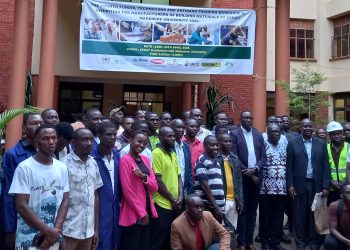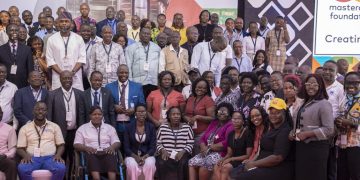



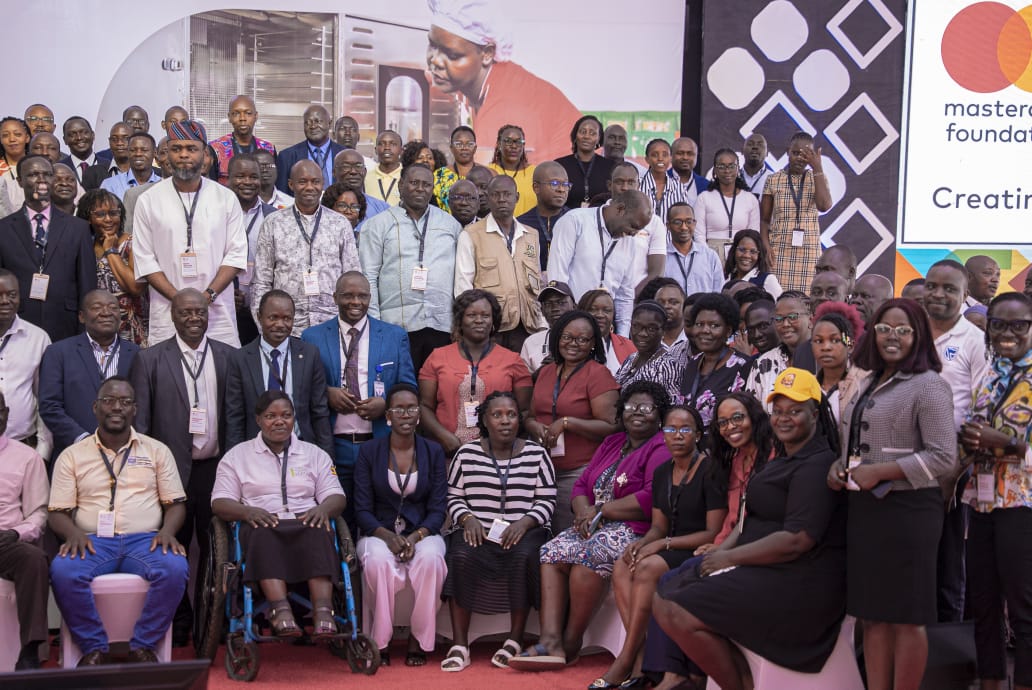
JINJA CITY – Young people in the Busoga sub-region have called on development partners, the private sector, and the government at both national and local levels to redesign agriculture programmes to better address their needs. They warn that systemic barriers continue to exclude them from meaningful participation in the agrifood economy. The call was made during the Young Africa Works 2026 Dialogue, convened by Heifer International and the Mastercard Foundation at the Jinja Nile Resort. The event brought together over 250 stakeholders, including policymakers, private sector actors, and youth, to discuss ways of advancing an inclusive agrifood system.
The youth noted that although agriculture offers significant employment and entrepreneurship opportunities, many young people remain locked out due to limited access to finance, land, skills, inputs, and markets. They stated that existing interventions often fail to align with the realities faced by youth.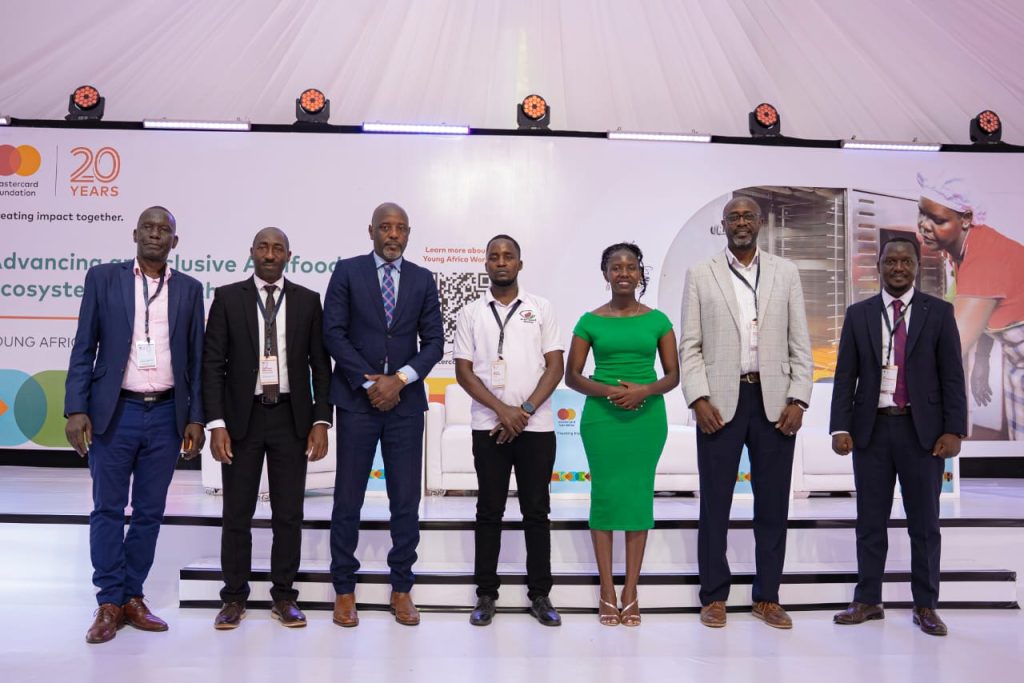 Jessica Asabaawebwa, co-founder of Nyonta Juice Enterprise, said the issue is not a lack of interest in agriculture but the conditions surrounding it. “Young people are not rejecting agriculture; they are rejecting the low returns, high risks, and subsistence models that make it unviable,” she said, adding that access to affordable and appropriate financing remains a major constraint.
Dr. Joseph Muvawala Nsekere, the Executive Director of the National Planning Authority and Katikiro (Prime Minister) of Busoga Kingdom, warned that Uganda’s much-discussed demographic dividend will only be realised through deliberate investment in young people.
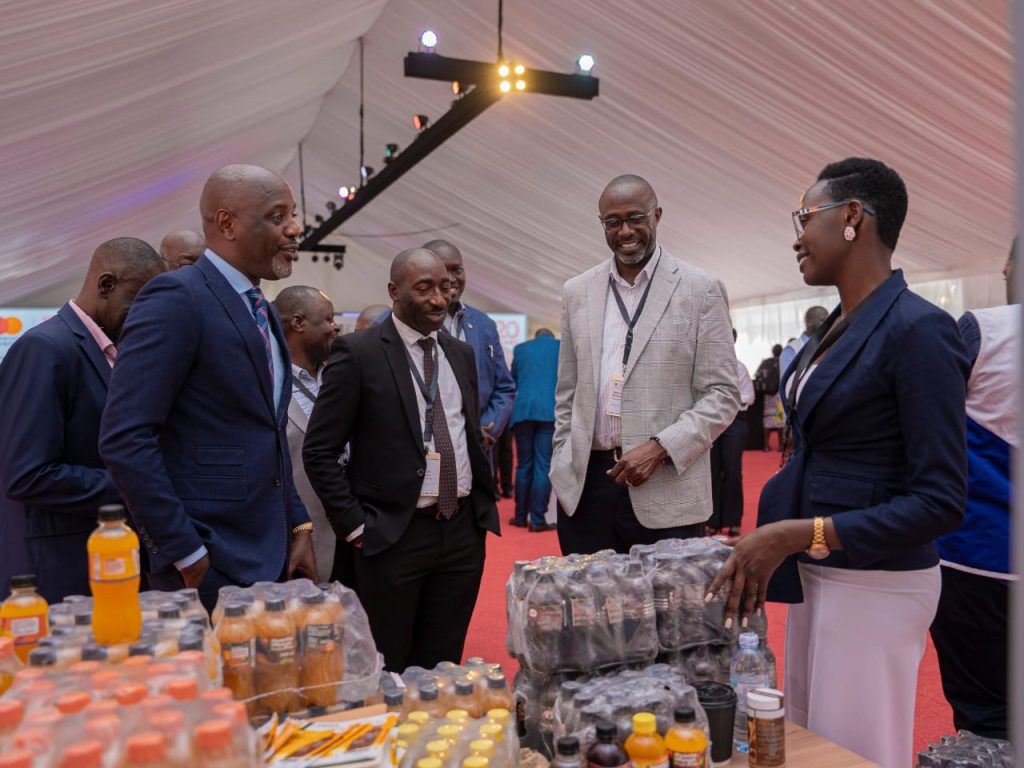 He noted that the country’s future depends on how effectively it prepares its youth to participate productively in the economy. He raised concern over structural challenges, particularly land ownership in the Busoga region, describing land as increasingly treated as a speculative asset rather than a productive resource.
“Large portions of land remain underutilised and highly fragmented in the region, while many young people lack access. This trend undermines productivity and limits opportunities for youth engagement in agriculture,” Dr. Muvawala said.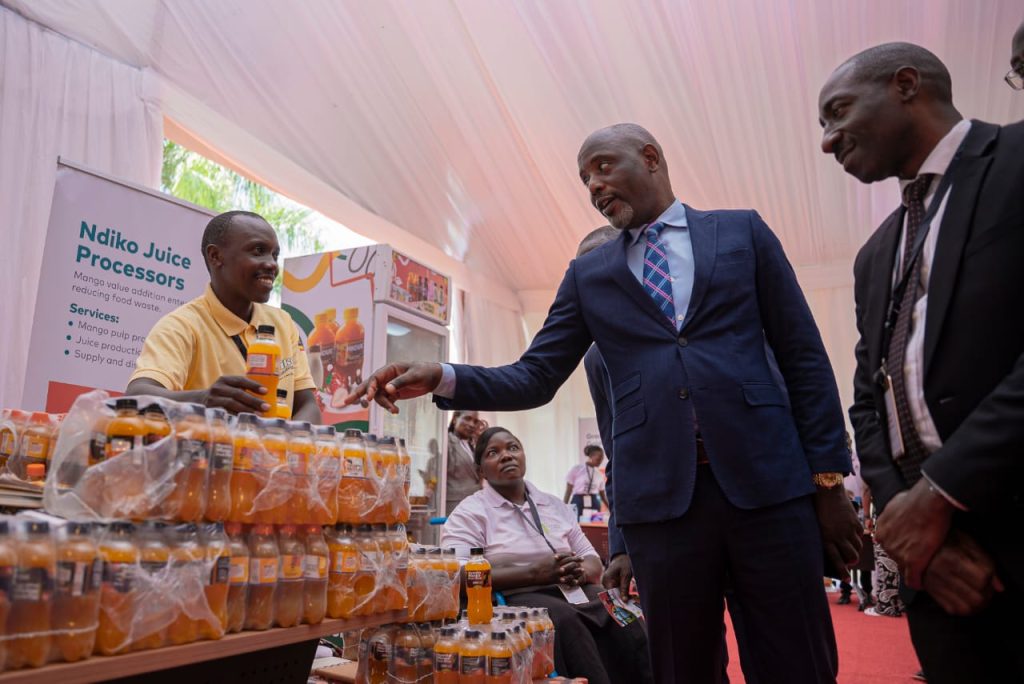 Further emphasising the role of partnerships, Dr. Muvawala said meaningful impact would only be achieved through stronger collaboration between government at all levels, development organisations, and the private sector. He urged the local government agencies present to better understand and leverage the work of development partners to scale successful interventions like the Stimulating Agribusiness for Youth Employment (SAYE) programme being implemented in the sub-region.
 Recent data from the Uganda Bureau of Statistics (UBOS) also highlights the urgency of the issue. According to the 2024 national census, 49.5 per cent of youth in Busoga are not in employment, education, or training (NEET), with young women disproportionately affected at 54 per cent. Teenage pregnancy rates in the region stand at between 28 and 30 per cent, above the national average.
Adrian Bukenya, Country Director of the Mastercard Foundation in Uganda, noted that while agriculture and agrifood systems offer significant opportunities for young people, access to productivity resources remains a constraint.
“Young people face barriers across finance, land, skills, inputs, and markets. This dialogue is intended to help us identify practical solutions and strengthen collaboration across the system,” he said.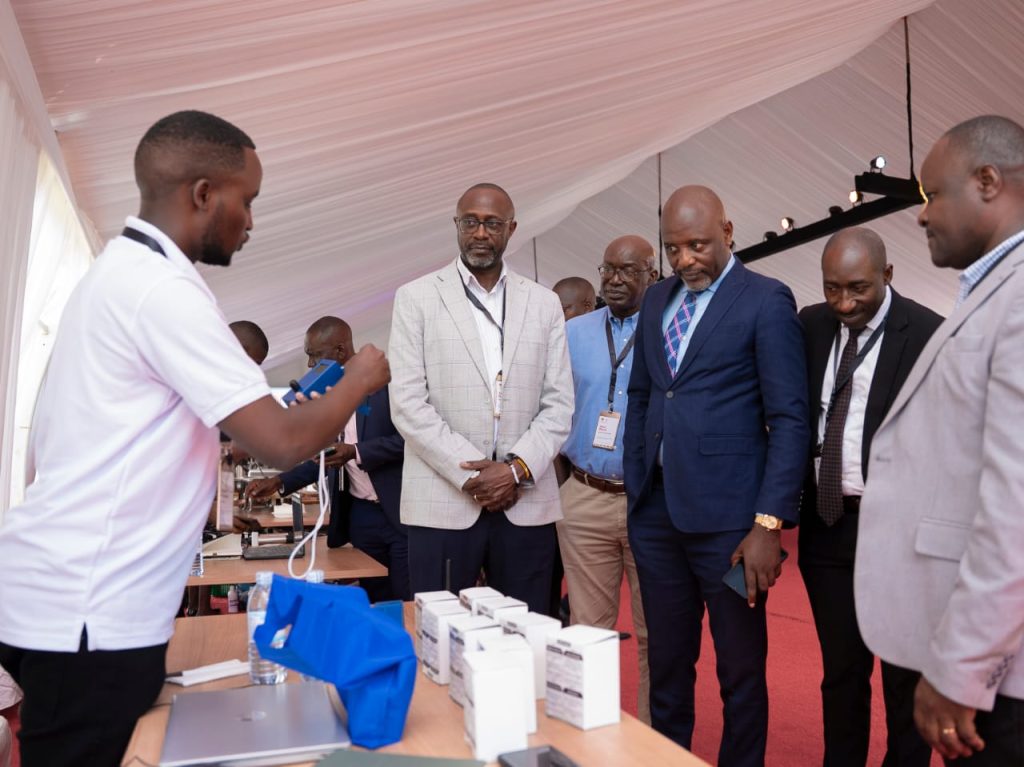 Bukenya further noted that key priorities for the Mastercard Foundation will focus on deepening inclusion to ensure all young people can engage meaningfully, scaling proven models to replace fragmented efforts, and investing in evidence and learning to maximise impact as they further partnerships that support inclusive growth across the agricultural value chain.
Implemented by Heifer International Uganda in partnership with the Mastercard Foundation, the SAYE programme is a strategic investment aimed at creating meaningful employment for young people in Busoga. The programme, which covers all 11 districts in the sub-region, targets 250,000 young people by 2029 and has already equipped over 90,000 participants with technical, financial, and entrepreneurial support.
William Matovu, the Country Director of Heifer International Uganda, explained that the SAYE program operates through multiple pathways, including agri-hubs for rural out-of-school youth, enterprise development support for agrifood small and medium enterprises, and incubation programmes for young innovators developing early-stage agribusiness ideas.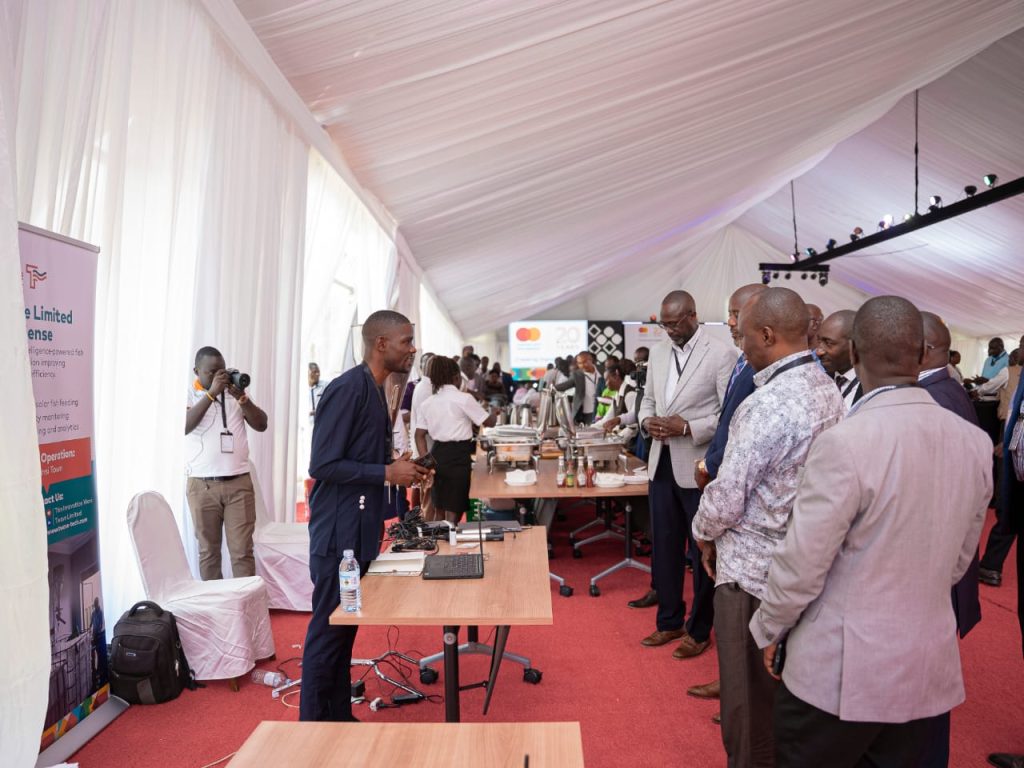 Matovu described the dialogue as a critical moment for stakeholders to reflect on what works and to move beyond fragmented approaches toward scaling proven solutions. He also urged young people to actively share their experiences, challenge program assumptions, and build networks that can support the growth of their enterprises.
He emphasized the urgent need to create opportunities for youth by equipping them with skills, access to finance, and productive assets to enable them to become job creators.
As the Mastercard Foundation marks 20 years under the theme Creating Impact Together, stakeholders across public and private sectors have been called upon to deepen inclusion for marginalised groups, especially young women, refugees, and persons with disabilities, while scaling proven models to strengthen agrifood systems and market access, and investing in evidence and learning to maximise impact.