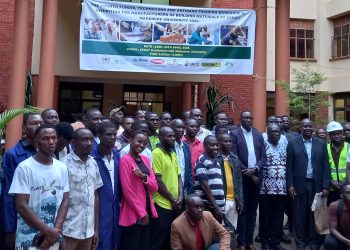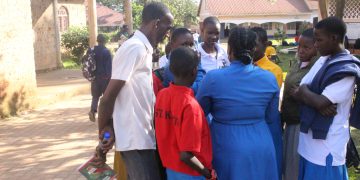



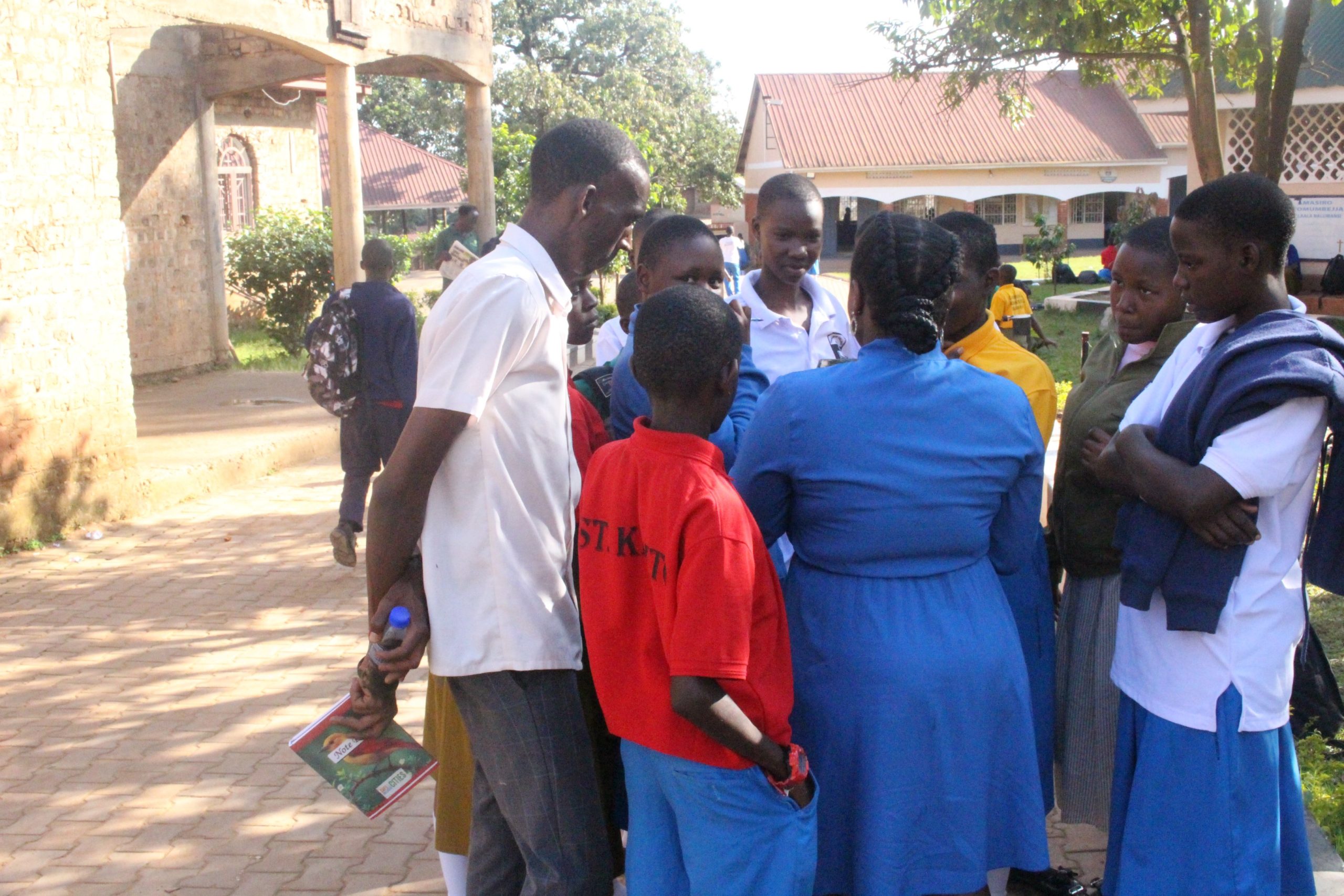
KAZO, UGANDA — Issues surrounding healthy relationships, gender-based violence (GBV), and adolescent health took center stage during a first-quarter school outreach organized by the Uganda Youth and Adolescents Health Forum in partnership with Tiko Africa and the Ministry of Health Uganda.
The outreach, held at Emmanuel College Kazo, aimed to accelerate awareness of sexual and gender-based violence (SGBV) prevention, promote access to related services, and strengthen social and behavior change communication among students.
Equipping Youth with Life Skills
Speaking during the session, counselor Naisibi Johanita from Kawaala Health Centre IV, emphasized the importance of guiding young people especially as they prepare for school holidays on making informed and safe life choices.
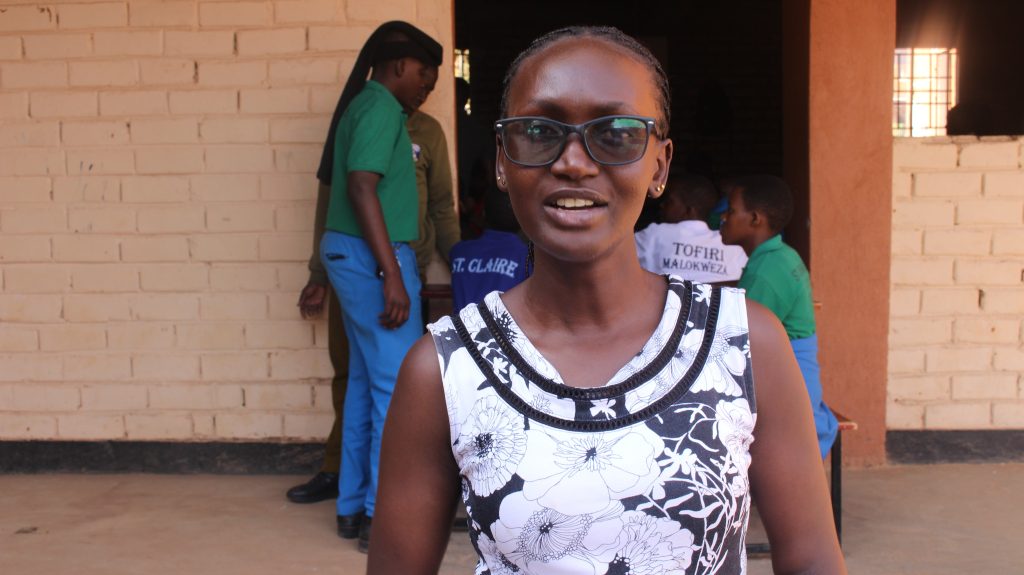
“We’ve come to preach the gospel of healthy relationships and saying no to sex, while opening their eyes to gender-based violence,” she said. “These are young people who may not fully understand the risks they face. We want to equip them with knowledge so they can make the right decisions.”
Johanita highlighted how domestic conflict can deeply affect children, often leading to emotional distress, depression, and risky behavior. She explained that exposure to violence at home can push children into unsafe environments, increasing their vulnerability to abuse, early pregnancies, and infections such as HIV.
She further noted that GBV has a direct impact on education. Victims often struggle with low self-esteem, absenteeism, and in severe cases, trauma-related conditions such as post-traumatic stress disorder. “Some learners become withdrawn, others drop out entirely, and in extreme situations, some contemplate suicide,” she added.
Targeting a Critical Age Group
According to David Kukyana, Monitoring and Evaluation Lead at Uganda Youth and Adolescents Health Forum, the outreach specifically targets young people aged 15 to 24, a crucial developmental stage marked by major life transitions.
“This is the age where young people move from childhood to adulthood and begin making key life decisions, especially regarding their health,” Kukyana explained. “We provide accurate, age-appropriate information on sexual and reproductive health, as well as challenges like bullying, mental health, and peer pressure.”
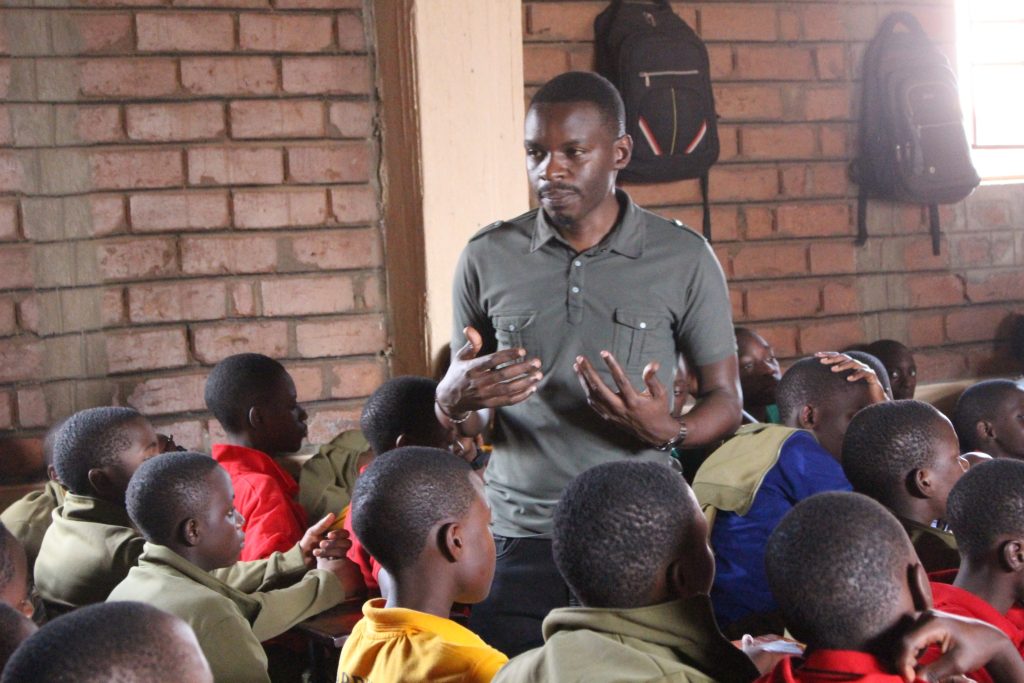
He noted that many adolescents face risks such as teenage pregnancy and forced marriage, which often lead to school dropout. The outreach programs aim to empower students with knowledge that enables them to make informed, healthy choices and avoid risky behaviors.
“When young people are equipped with the right information, they gain agency and are more likely to live dignified and productive lives,” he said.
Addressing Rising HIV Infections and Teen Pregnancies
Norah Nakyegera, Advocacy and Campaigns officer @uyahf1 underscored the urgency of addressing rising HIV infection rates and teenage pregnancies among adolescents.
“We are here to guide students on how to build healthy relationships based on respect, communication, and consent,” she said. “It’s okay to have friends, but they must understand the nature of those relationships.”
Nakyegera emphasized that healthy relationships should be free from coercion and encouraged students to abstain from sex, as well as avoid drugs and alcohol.
She also revealed that students openly shared concerns about mental health and bullying during the discussions, issues that continue to affect learners across many schools.
A Community-Centered Approach
The outreach forms part of a broader effort to bridge information gaps among young people, particularly those from diverse and often challenging backgrounds. By taking these conversations directly into schools, organizers hope to create safe spaces where students can learn, ask questions, and access support.
As schools close for the holidays, stakeholders believe such engagements are timely in helping students navigate the challenges they may face outside the school environment.