





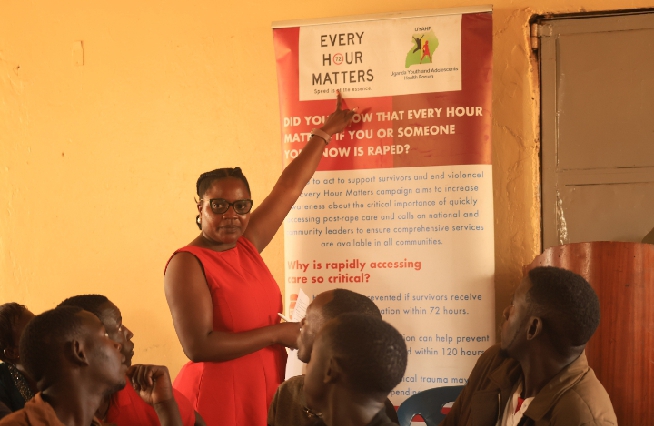
Under the soft glow of lantern light and over cups of steaming tea, a quiet corner of Kisenyi Community Center in Kampala came alive on April 16, 2026, not with celebration, but with courage.
The Uganda Youth and Adolescents Health Forum (UYAHF) convened a fireside chat that drew together police officers, health workers, community leaders, and residents for a frank and deeply human conversation on preventing Sexual and Gender-Based Violence (SGBV).
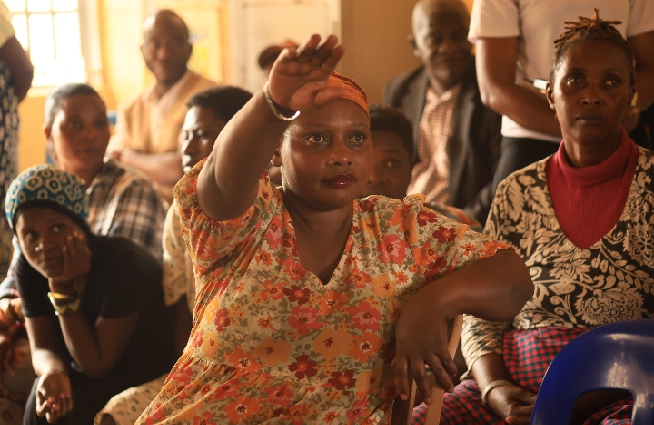
What unfolded was not a formal meeting, but an exchange of lived realities. Participants spoke openly, some for the first time, about experiences that often remain hidden behind closed doors. In this intimate setting, the barriers to difficult conversations seemed to fall away, replaced by a shared determination to confront a persistent national challenge.
UYAHF framed the gathering as part of its broader mission to equip young people and families with life-saving knowledge.
Across Uganda, SGBV continues to affect thousands, women, girls, children, and, in some cases, men cutting across social and economic lines.
By shifting the tone from lecture to dialogue, the organization sought to move beyond awareness and toward practical, community-driven action.
Central to the discussion was a deeper understanding of what constitutes violence.
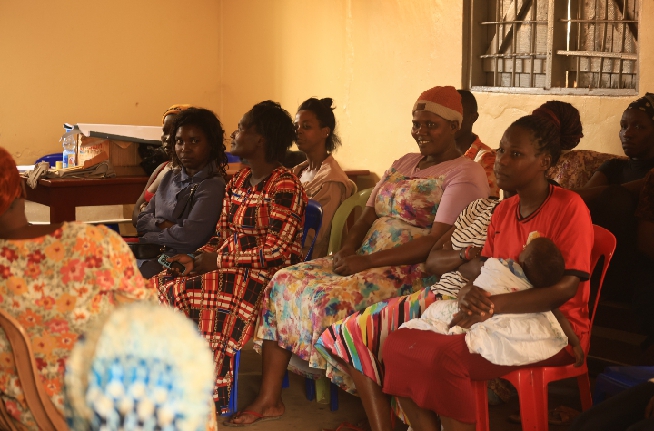
Sexual and Gender-Based Violence, participants heard, extends far beyond physical harm. It includes emotional, sexual, social, and economic abuse, forms that are often normalized or overlooked.
As one speaker explained, force is not only visible in bruises or physical assault; it can take the shape of threats, intimidation, deprivation, or the fear of losing one’s home or family.
Consent emerged as one of the evening’s most urgent themes. Participants unpacked its meaning in clear and relatable terms: true consent must be freely and happily given, without fear or pressure.
Anything less, they were reminded, cannot be considered genuine. The discussion also emphasized that children under 18 cannot legally or meaningfully consent to marriage, sexual activity, or practices such as female genital mutilation, regardless of perceived agreement.
Language itself became a point of reflection. The distinction between “victim” and “survivor” was carefully explored, with facilitators encouraging the latter as a way of restoring dignity and strength.
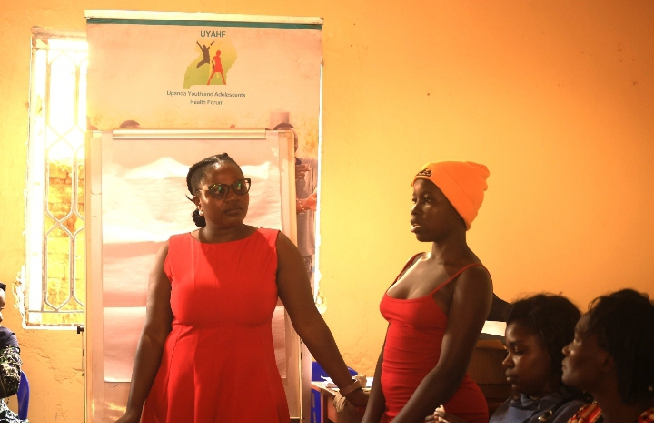
A survivor, they noted, is not defined by harm endured, but by resilience and the capacity to rebuild.
The conversation did not shy away from uncomfortable truths about vulnerability and power. Certain groups, unaccompanied minors, single mothers, women heading households, people with disabilities, refugees, and those living in poverty, face heightened risks. Perpetrators, participants acknowledged, are often not strangers but individuals in positions of trust or authority: partners, teachers, relatives, or community figures. The message resonated clearly across the gathering conversations of power justifies harm.
As the evening progressed, attention turned toward solutions.
Police officers stressed the importance of reporting abuse promptly, underscoring that timely action can prevent further harm and ensure justice.
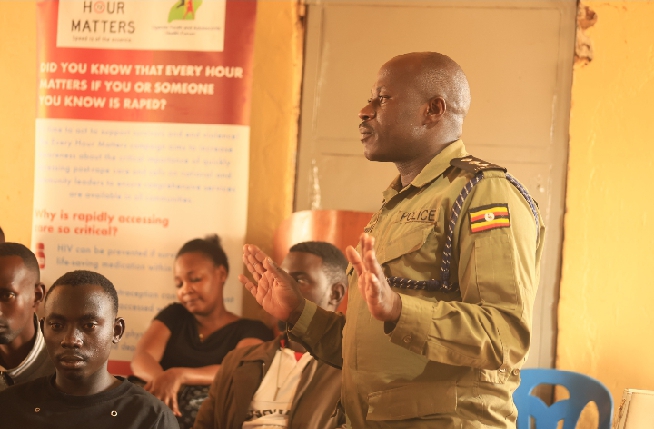
Health workers spoke about the critical role of immediate medical care, from treating injuries to preventing long-term health consequences and providing emotional support.
UYAHF facilitators anchored the discussion in prevention, emphasizing that meaningful change begins within homes and communities.
The conversations highlighted the importance of teaching respect and consent from an early age, challenging harmful cultural norms, and fostering environments where individuals feel safe to speak out.
Participants reflected on the power of education, economic empowerment, and community vigilance in reducing vulnerability.
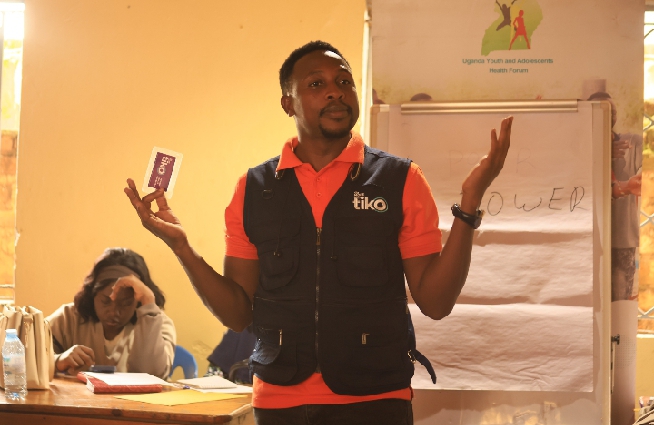
Stories shared during the chat offered glimpses of hope. One health worker recounted how prompt medical intervention helped a young survivor regain both physical and emotional stability.
A police officer described how early reporting by community members stopped a situation from escalating. Youth leaders spoke of school-based initiatives that are already shifting attitudes, reducing bullying, and addressing harmful behaviors before they take root.
What became evident as the evening drew to a close was the strength of collaboration.
The presence of law enforcement, healthcare providers, and youth advocates in one space illustrated a coordinated response that extends beyond isolated efforts.
Each sector, participants agreed, plays a vital role in ensuring that survivors know where to turn, whether to the police, health centers, or youth-focused organizations like UYAHF.
Community leaders left the gathering with renewed commitments to sustain the momentum.
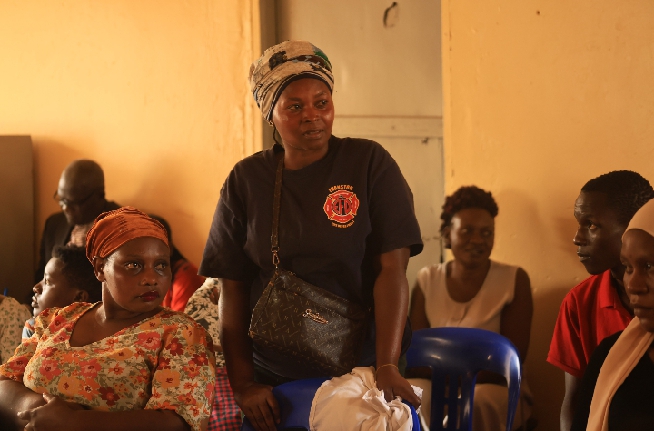
Plans to establish anti-SGBV clubs in schools and neighborhoods were also discussed, alongside pledges from parents to model respect within their own homes.
Young people, too, expressed readiness to challenge harmful peer dynamics and become advocates for change among their peers.