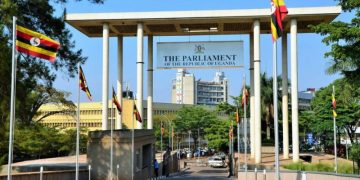


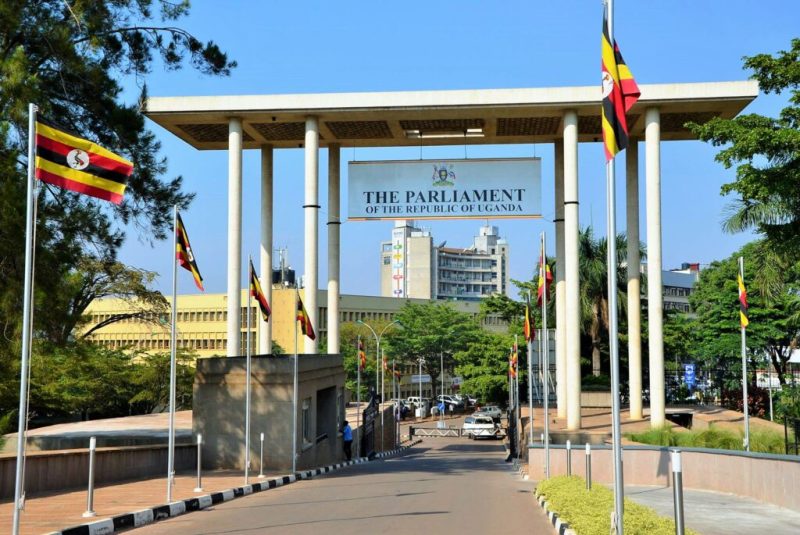
A proposed law aimed at safeguarding national sovereignty is drawing growing concern from media advocates and legal experts, who warn it could dramatically reshape the landscape of journalism in Uganda and opposition space.
While public debate around the Protection of Sovereignty Bill, 2026 has largely centered on restrictions to foreign funding, attention is increasingly turning to its potential impact on free expression.
Legal analysts say the bill contains provisions that could significantly curtail the ability of journalists and citizens to report on matters of public interest.
At the center of the controversy is Clause 13, which, according to prominent lawyer Philip Karugaba, introduces sweeping criminal penalties for publishing content deemed critical of the country’s economy or security.
The clause could expose reporters, commentators, and even ordinary citizens to prosecution for coverage of sensitive issues, including military operations conducted by the Uganda People’s Defence Forces (UPDF).
Under the proposed law, those found guilty of violating the provision could face penalties of up to 20 years in prison or fines reaching 4 billion Ugandan shillings.
Press freedom advocates argue that such measures risk creating a chilling effect, discouraging investigative reporting and limiting public scrutiny of government actions and expenditure.
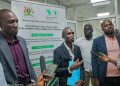
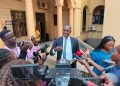
Critics say the bill, if passed in its current form, would mark a profound shift in the country’s media environment, weakening the press’s traditional watchdog role and narrowing the space for public debate. Addressing journalists on Monday, the Forum for Democratic Change (FDC) party president, Eng. Patrick Amuriat Oboi reasoned that if passed in its current form, the bill is likely to affect opposition’s space.
He noted that the bill is indirectly intended restrict opposition activities.