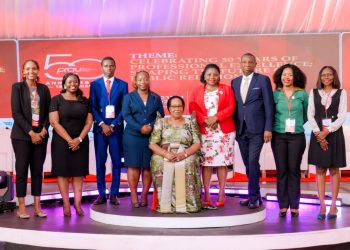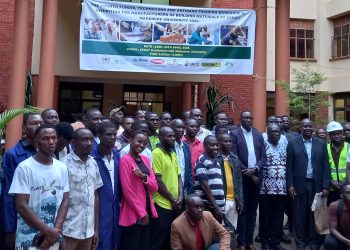


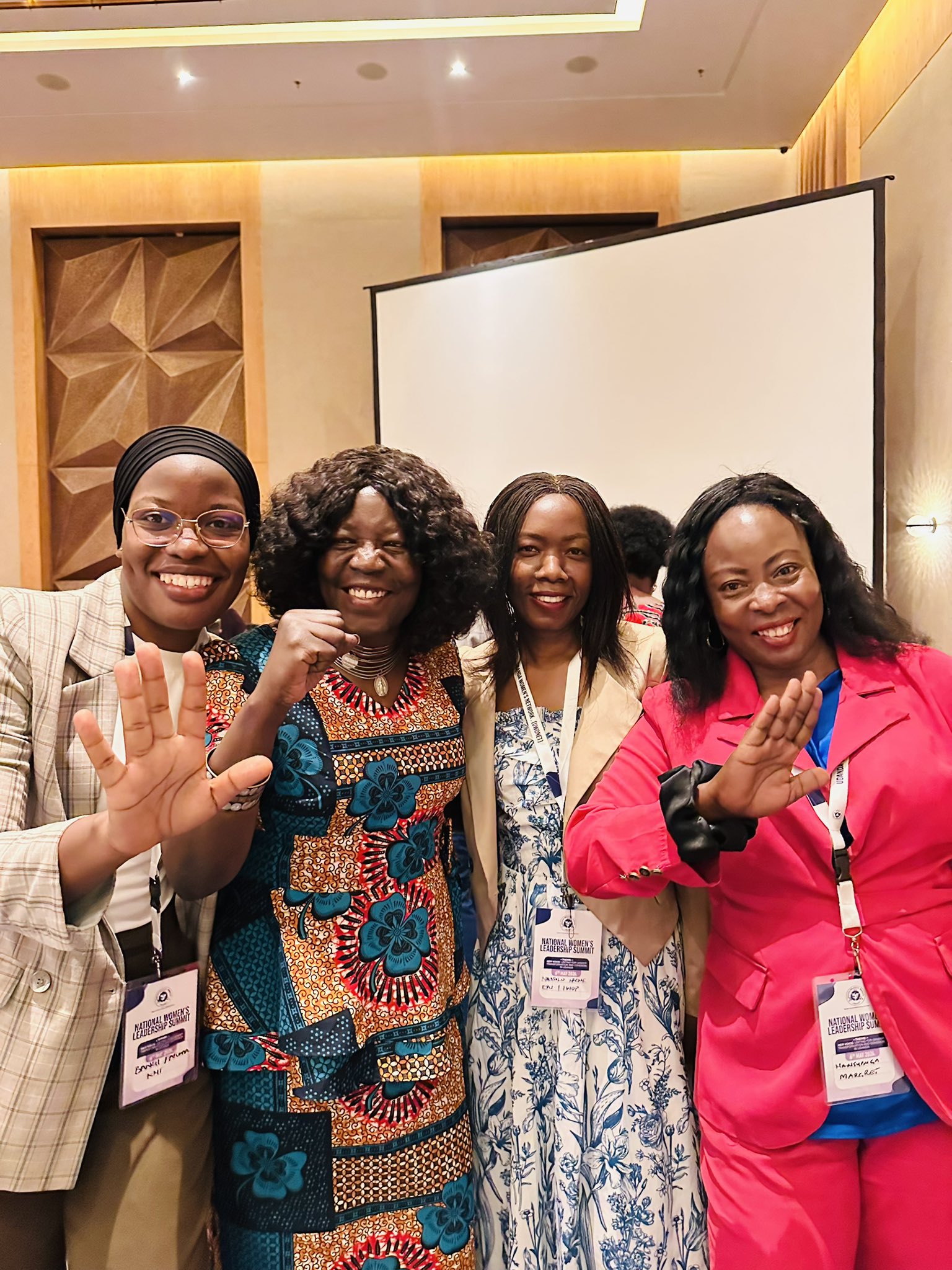
KAMPALA, Uganda — A call for unity, resilience, and structural reform defined the Post-2026 National Women in Leadership Summit convened by the Uganda Women’s Network (UWONET) in Kampala, as leaders, activists, and political actors reflected on the country’s recent elections and the future of women’s leadership.
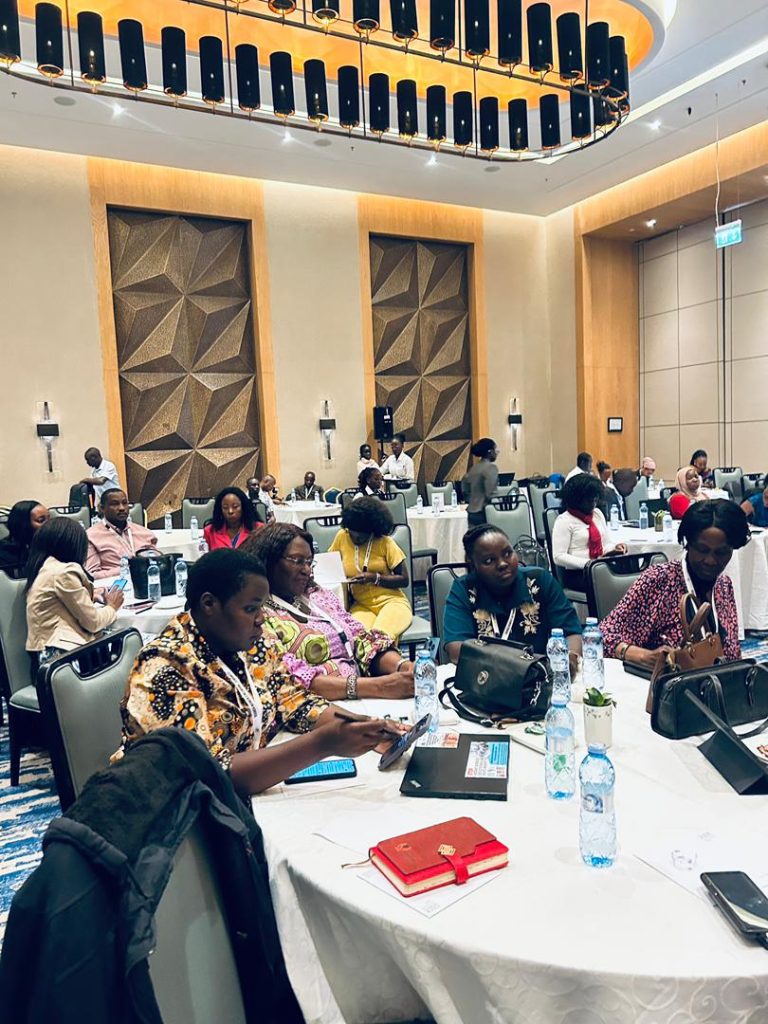
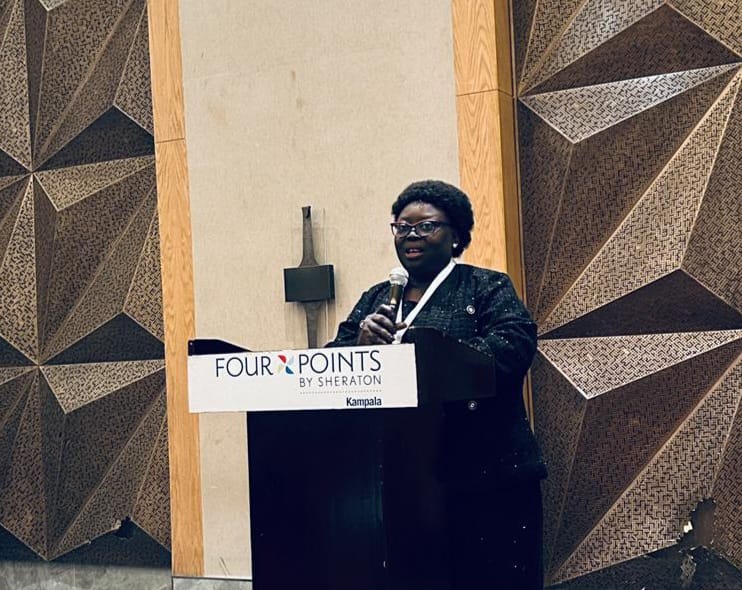
Delivering opening remarks, Executive Director for UWONET, Ritah Aciro urged women across Uganda to recognize leadership beyond visible political positions, emphasizing that every woman holds the capacity to influence change within her community. She described the summit as a critical platform to share experiences, document lessons from the 2026 elections, and confront persistent barriers limiting women’s participation in leadership.
Aciro warned of a growing global and national backlash against women’s leadership, noting that resistance is no longer confined to politics but extends into economic systems and resource allocation. She cautioned that without collective action, decades of progress on women’s rights risk being reversed. “We cannot afford to let down those who laid the foundation for gender equality,” she said, calling for stronger solidarity across political, generational, and social divides.
The summit follows Uganda’s 2026 General Elections, where women played a significant role as voters, candidates, and mobilizers. According to data from the Electoral Commission, women made up approximately 53 percent of the 21.6 million registered voters.
Hundreds contested for parliamentary seats, including 640 candidates for district woman representative positions and 138 for constituency seats. Despite this participation, Aciro highlighted ongoing challenges such as high nomination fees, limited campaign financing, gender-based violence, and entrenched cultural norms that question women’s leadership.
She praised the courage of women who contested, regardless of outcome, describing their participation as a demonstration of resilience in the face of systemic obstacles. “This is not the end for those who did not succeed, it is a recess,” she said, encouraging them to regroup and continue their political journeys.
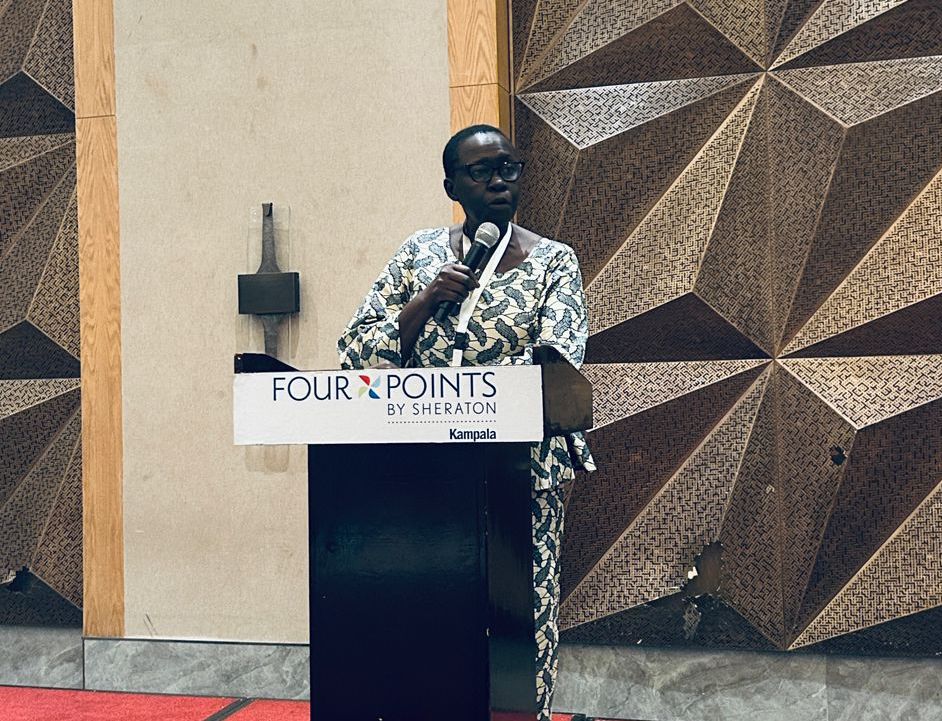
Keynote speaker Alice Alaso, National Coordinator of the Alliance for National Transformation, framed the summit as a moment of reflection on Uganda’s long and often difficult journey toward women’s political inclusion. She traced milestones from early representation in the colonial Legislative Council to constitutional reforms that introduced affirmative action, stressing that today’s progress rests on the sacrifices of earlier generations of women leaders.
Alaso cautioned against equating numerical representation with meaningful power, arguing that true progress lies in women’s ability to influence decisions and shape national transformation. She challenged participants to interrogate whether Uganda’s democratic systems genuinely empower women or merely provide symbolic inclusion.
Her address highlighted several structural barriers, including the commercialization of politics, where rising campaign costs disadvantage women, and the increasing militarization of elections, which exposes female candidates to violence, intimidation, and psychological pressure.
She described the political environment as one where women are “not merely contesting elections, but contesting fear,” recounting experiences of threats, online abuse, and intimidation targeting candidates and their families.
Alaso also raised concerns about shrinking civic space, pointing to restrictions affecting civil society organizations and political actors. She warned that such limitations undermine civic education and weaken efforts to challenge patriarchal norms, particularly in rural communities.
The summit further examined contradictions within Uganda’s electoral process, where women contribute significantly to campaign mobilization and voter turnout but remain underrepresented in decision-making positions. Alaso noted that while statistics may suggest progress, they often obscure the personal and financial sacrifices women make to participate in politics, including selling property or enduring social backlash.
During a panel discussion, Julius Mucunguzi of the Electoral Commission of Uganda acknowledged the concerns raised and emphasized the need for reforms across all stages of the electoral process. He pointed out that accessibility of polling stations, fairness in nominations, and the role of political parties are critical factors influencing women’s participation.
Mucunguzi highlighted the absence of female presidential candidates in the 2026 elections, noting that while the law does not mandate gender balance, political parties must take responsibility for promoting women leaders. He also credited women’s organizations for their role in advocating peaceful elections, observing that women are often the most affected by electoral violence.
Throughout the summit, participants underscored the importance of the Women’s Manifesto 2026–2030 as a guiding framework for advancing gender equality and strengthening women’s leadership across sectors. The document, developed through nationwide consultations, outlines priority issues and strategies for the next five years.
Speakers repeatedly emphasized that unity among women across political parties, religions, and generations is essential to overcoming systemic barriers. Aciro concluded by urging participants to move beyond dialogue and commit to concrete actions that will transform leadership spaces and ensure women’s voices are not only heard but acted upon.
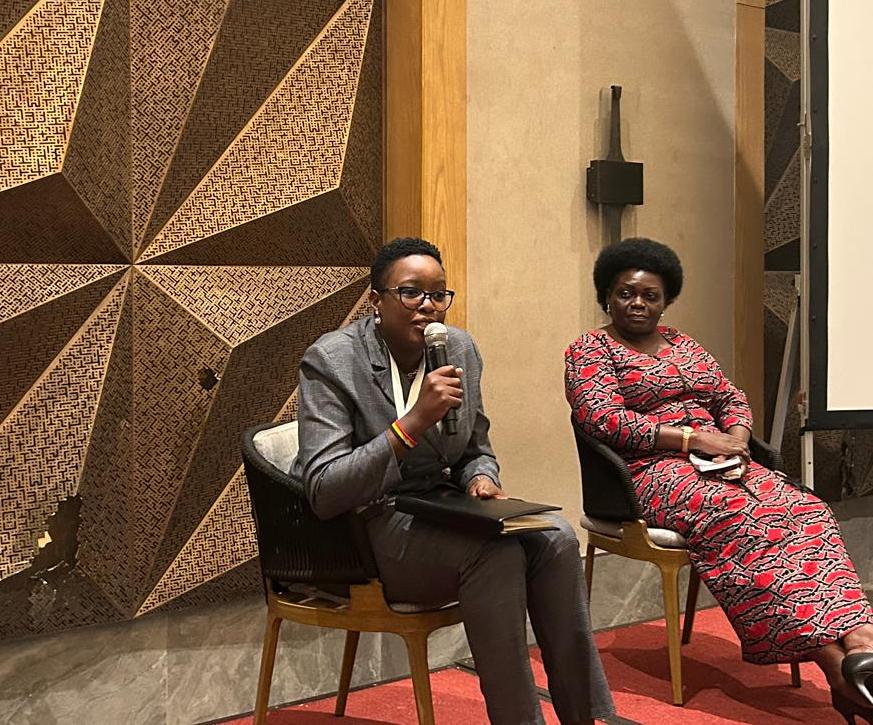
Doreen Nyanjura, Deputy Lord Mayor of Kampala, recounted her experience returning to her home district to contest for Woman MP in an environment where voter bribery had become deeply normalised. Despite intense pressure to conform, she chose to stand by her principles, posing a critical question: “Does the end justify the means, or will you remain true to your values?” She emphasised the urgent need for voter sensitisation and expressed concern about the growing use of religious messaging to manipulate voters through fear and intimidation.
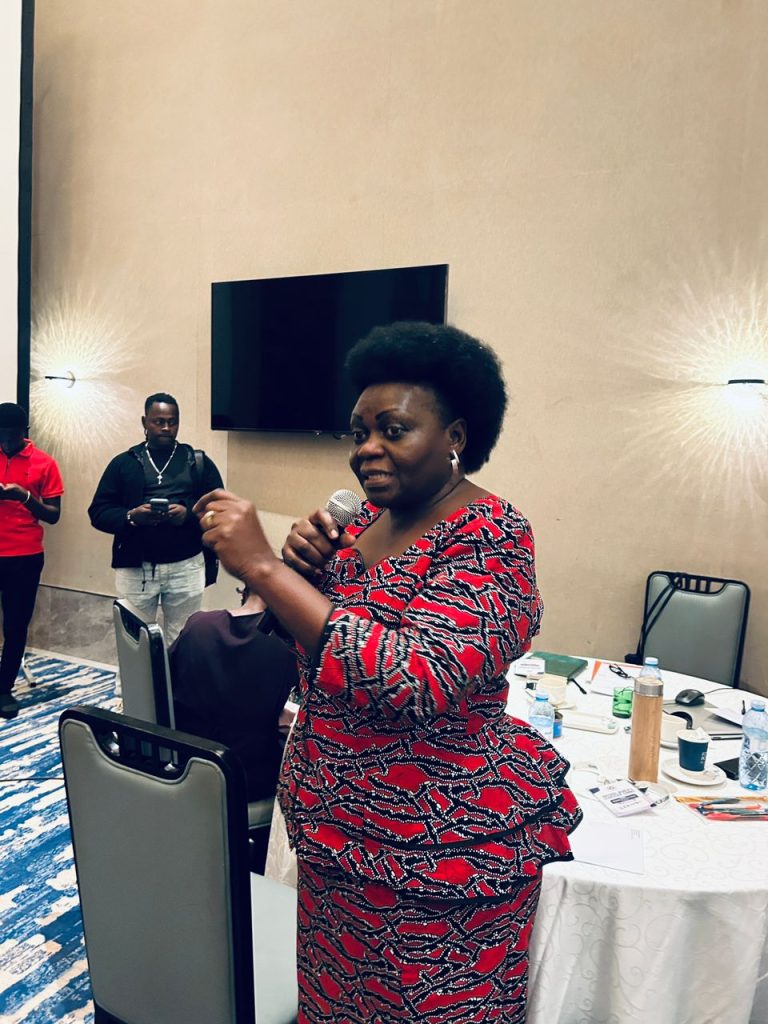
Sarah Opendi, Woman MP for Tororo District, reflected on the broader state of democracy and individual sovereignty. She pointed out that women in politics are still often denied individuality: “When women contest, they are asked about their husbands. Men are rarely subjected to the same scrutiny.” She urged women to rise above political affiliations and unite in solidarity, stressing that meaningful progress for women will require collective action beyond party lines.