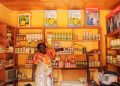



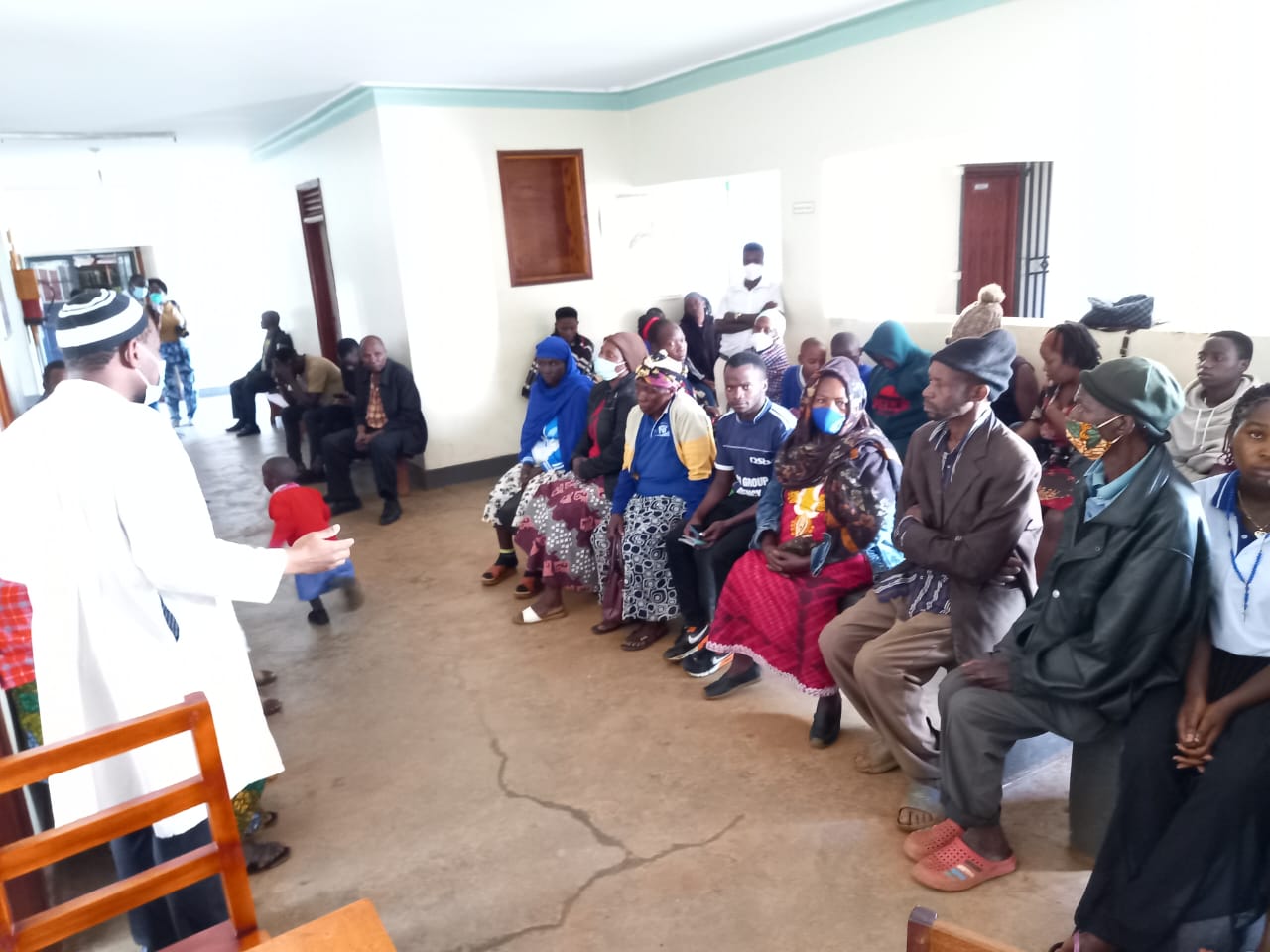
KABALE DISTRICT, Uganda : Patients receiving treatment for non-communicable diseases (NCDs) at Kamukira Health Centre IV in Kabale District have raised concerns over persistent drug stockouts, even as they acknowledge significant improvements in service delivery at the facility.
Tumuhigwe Sylvia, 40, a resident of Nyakyaro in southern Mwanjari, Kabale Municipality, is among the more than 13,000 patients who seek medical services at the facility annually. A diabetes patient, Sylvia says the situation has improved considerably since the introduction of a World Diabetes Foundation (WDF)-funded NCD programme.
“I am happy to report that since I started visiting Kamukira Health Centre IV last year for diabetes treatment, services have drastically improved. We can now access timely clinical care for diabetes and hypertension at the recently established Chronic Care Clinic (CCC),” Sylvia noted.
A similar account was shared by Kyomuhendo Jacklyn, 47, from Lwagana Karubanda Ward in Northern Division, Kabale Municipality. She testified that patients are now receiving more efficient and timely medical services following the launch of the WHO/WDF-funded diabetes and hypertension project.
Despite these improvements, patients say drug shortages remain a major challenge. In response, they have formed an inclusive NCD patients’ support group, an initiative encouraged by the Health Centre In-Charge, Dr. Mbabazi Peter.
Through this group, members—now numbering about 400—make monthly contributions ranging from UGX 2,000 to UGX 10,000 to help mitigate the effects of drug stockouts.
While the initiative has provided some relief and renewed hope, especially among low-income patients, beneficiaries are now calling on the government and relevant authorities to address the recurring drug shortages and to increase staffing levels at the facility to match the growing patient demand.