



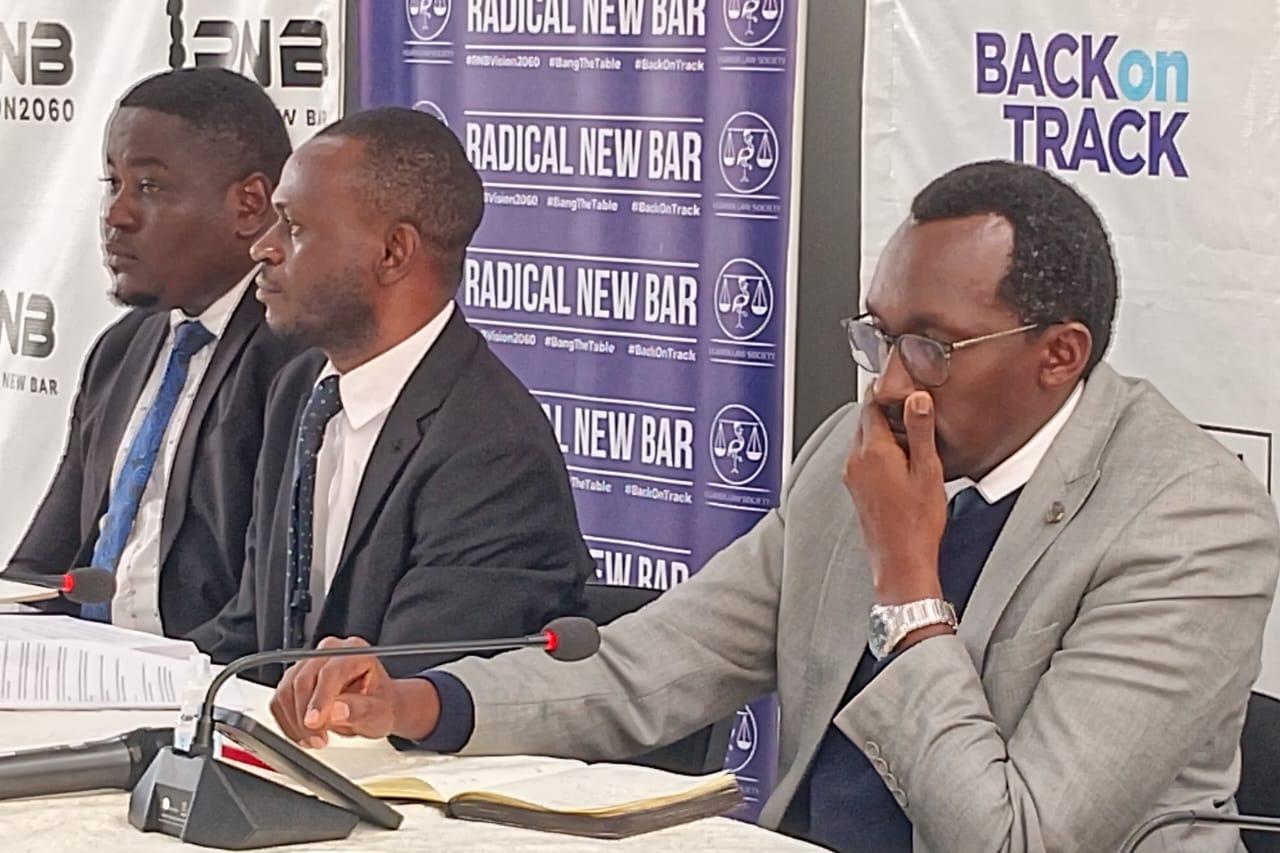
The Uganda Law Society (ULS) has become the focal point for discussions on two major issues affecting Uganda’s professional sectors: the plight of unpaid medical interns and the Judiciary’s ambitious transition to a fully paperless court system by 1 July 2026.
While strongly supporting the shift to digital justice under Administrative Circular No. 1 of 2026, the ULS used the forum to amplify urgent calls from health professionals for the government to facilitate and remunerate medical interns, warning that the current policy is demoralising a critical workforce
Dr. Patrick Odong, Vice President of the Association of Graduate Nurses and Midwives of Uganda, said many graduates are unable to begin their mandatory internships.
“We have graduates who are required to undertake internships but cannot afford accommodation, transportation, feeding and other basic expenses. They are effectively blocked from starting,” he said. “The policy is not well grounded. Interns should be remunerated for the betterment of the health sector and the country.”
Mr. Onyango Frank, President of International Pharmacists in Uganda and a current intern, echoed concerns about the financial burden faced by interns.
“Universities do not graduate students until they complete and clear their internships, which means additional tuition costs. Interns should also be protected while practising, at least through temporary licences issued by their institutions,” he said.
Dr. Jacob Muwada of the Federation of Uganda Medical Interns thanked the ULS for providing the platform and painted a stark picture of the realities facing interns.
“As interns, we cannot offer free services because we need food, transport and other necessities to work effectively. The government should allocate a budget for interns because they are demotivated,” he said.
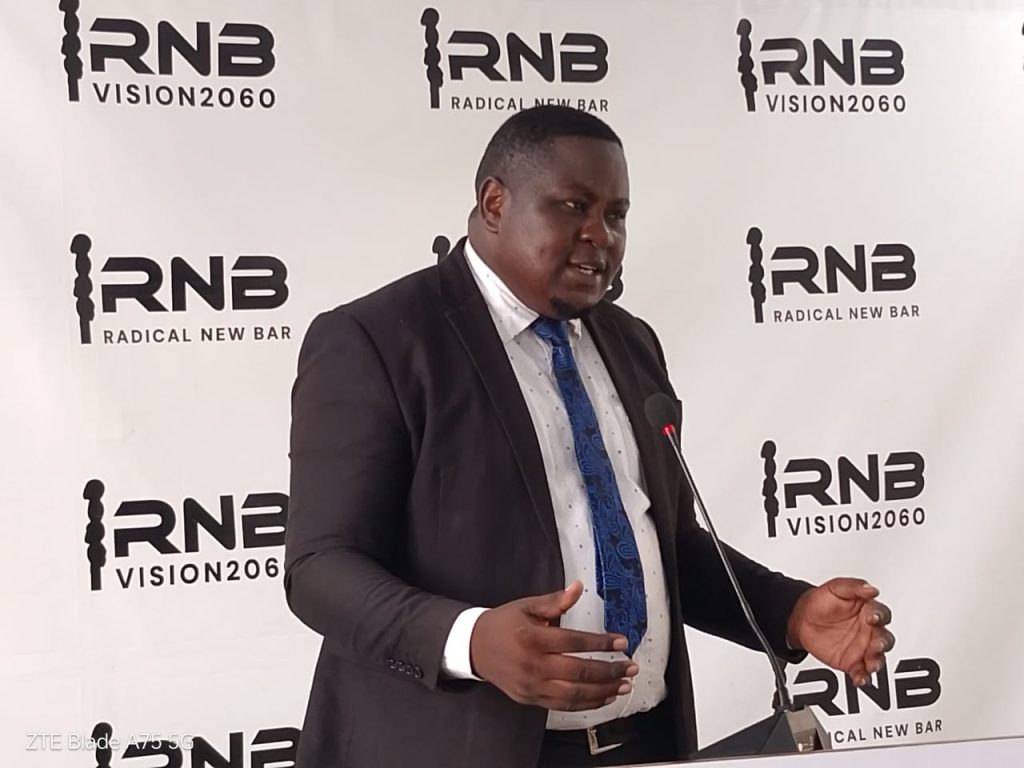
He added that policymakers are disconnected from conditions in health facilities. “They do not come to hospitals; they do not know what happens there. Many interns are surviving on loans,” he said.
Dr. Muwada further alleged that interns’ allowances are being withheld without their consent under the pretext of ongoing investigations.
“We went to court but got no help. We urge the ULS to intervene,” he said.
He described the policy as “unfair, undue, unpatriotic and unethical.”
Dr. Stephen Lutoti, President of the Pharmaceutical Society of Uganda, which oversees more than 2,000 registered pharmacies, said the society opposes the policy due to the lack of clear implementation timelines and inadequate stakeholder consultation.
“Interns are not students because they already hold degrees,” he emphasised. “We have inadequate tools, drug shortages, poor welfare for interns and supervisors, and insufficiently facilitated training centres. Internship centres should provide protection and support.We disagree with this policy and believe it should be suspended until proper consultations are conducted.”
Dr. Obuku Ekwaru stressed the importance of occupational safety standards, comparing medical interns to soldiers who require appropriate equipment and protection to perform their duties.
Representatives from Makerere University delivered a firm warning:
“Come August, we will not undertake internships if nothing changes.”
Dr. Frank Asiimwe, President of the Uganda Medical Association, was equally direct.
“This policy is shambolic, and whoever designed it must be held accountable. I was an intern 30 years ago, and I know what they go through. An intern is not a student; they need facilitation,” he said.
He noted that medical students already undergo 14 rigorous assessments during their training.
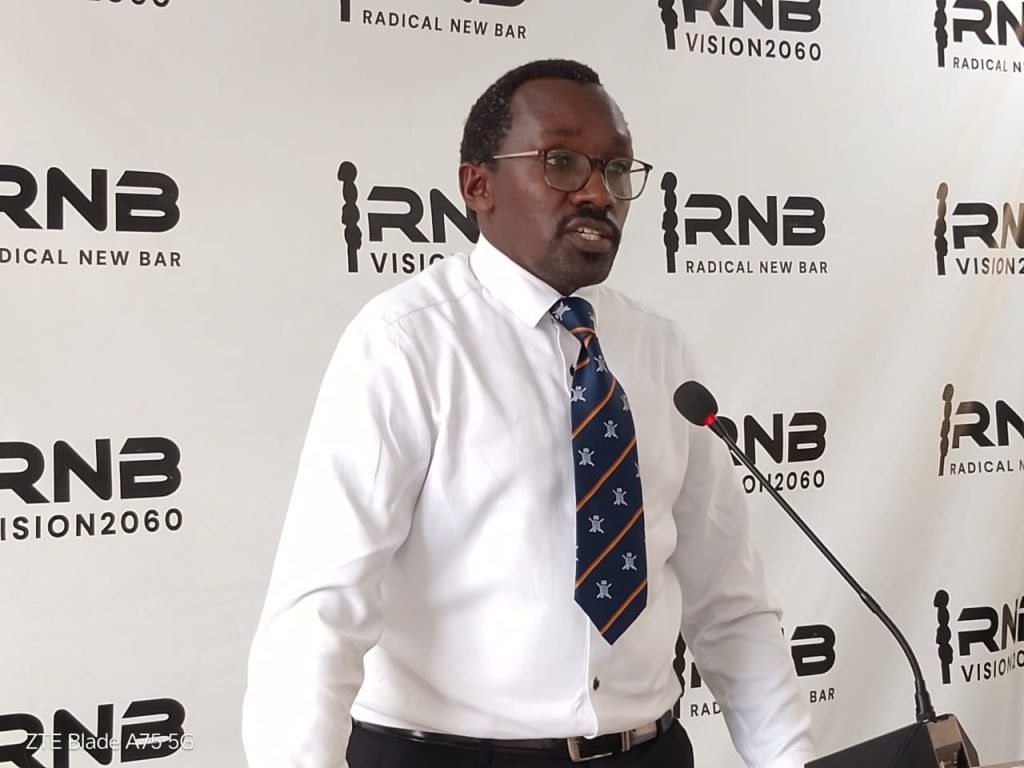
During the same forum, the ULS issued its preliminary response to the Judiciary’s paperless transition, welcoming the initiative as consistent with its Radical New Bar Vision 2060 while identifying critical areas that require attention.
The Society commended the report by PM Digital Law Hub and emphasised the need for constitutional safeguards, open justice principles, hybrid options for complex cases, contingency measures for technical failures, digital inclusion for rural and low-income litigants, interoperability with other systems, and robust cybersecurity protections.
Mr. Anthony Asiimwe, Vice President of the ULS, reaffirmed the Society’s support for digital innovation as a means of reducing case backlogs but called for stronger safeguards to ensure that vulnerable litigants are not excluded and that fairness is preserved.
Tonny Galandi, founding partner of Diamond Advocates, and blogger Ambrose Enen also welcomed the paperless court system powered by LexisNexis but cautioned that Uganda may not yet be fully prepared for complete implementation due to limited internet access, language barriers, and the need for stronger local data governance and audit mechanisms.
The convergence of these issues at the ULS forum underscored a common concern: whether in hospitals or courtrooms, major government reforms must be backed by adequate facilitation, meaningful consultation and equitable implementation.
Health leaders and legal professionals alike called on authorities to listen to stakeholders before implementation deadlines trigger widespread disruption.