


Campaigns for Uganda’s long-awaited Local Council One (LC1) elections have intensified across the country, with candidates unveiling ambitious plans to tackle unemployment, improve local services and strengthen community development ahead of polling on Tuesday, July 28, 2026.
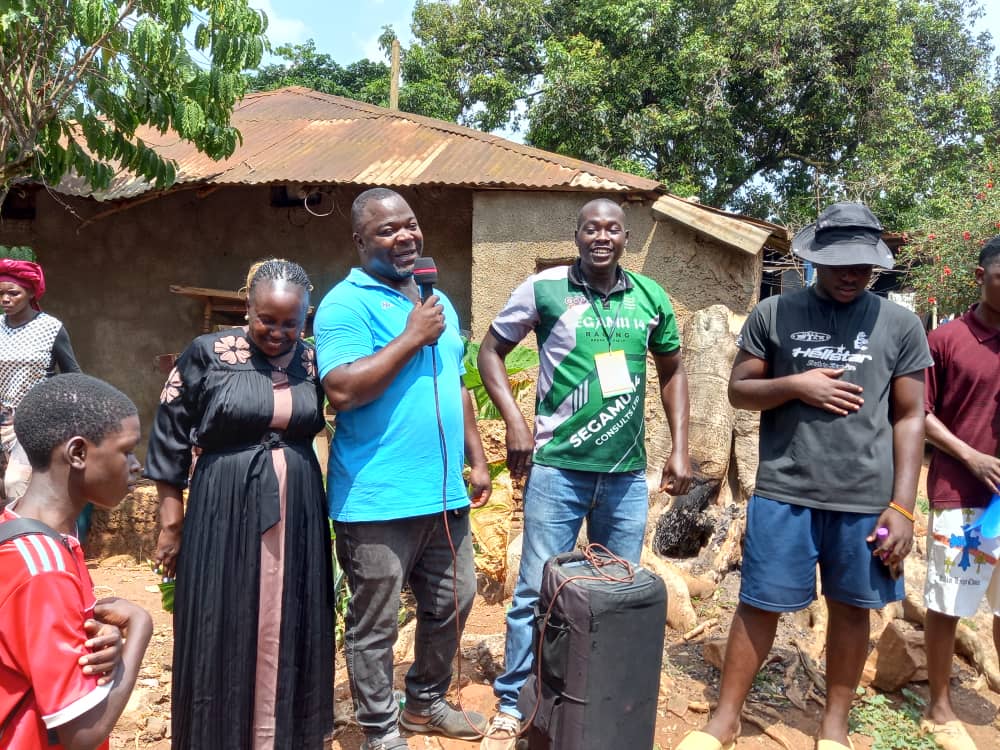
In Wandegeya Katale Zone in Kawempe Division, one of Kampala’s busiest commercial centres, candidates have placed youth employment, security, digital innovation and poverty reduction at the heart of their campaigns as they seek the support of residents and traders.
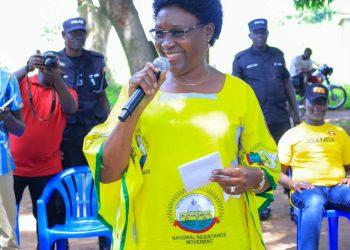
National Unity Platform (NUP) flag bearer Shamim Lugolobi Lule says she wants to modernise the local economy by promoting digital marketing tools to help traders increase the visibility and sales of their products.
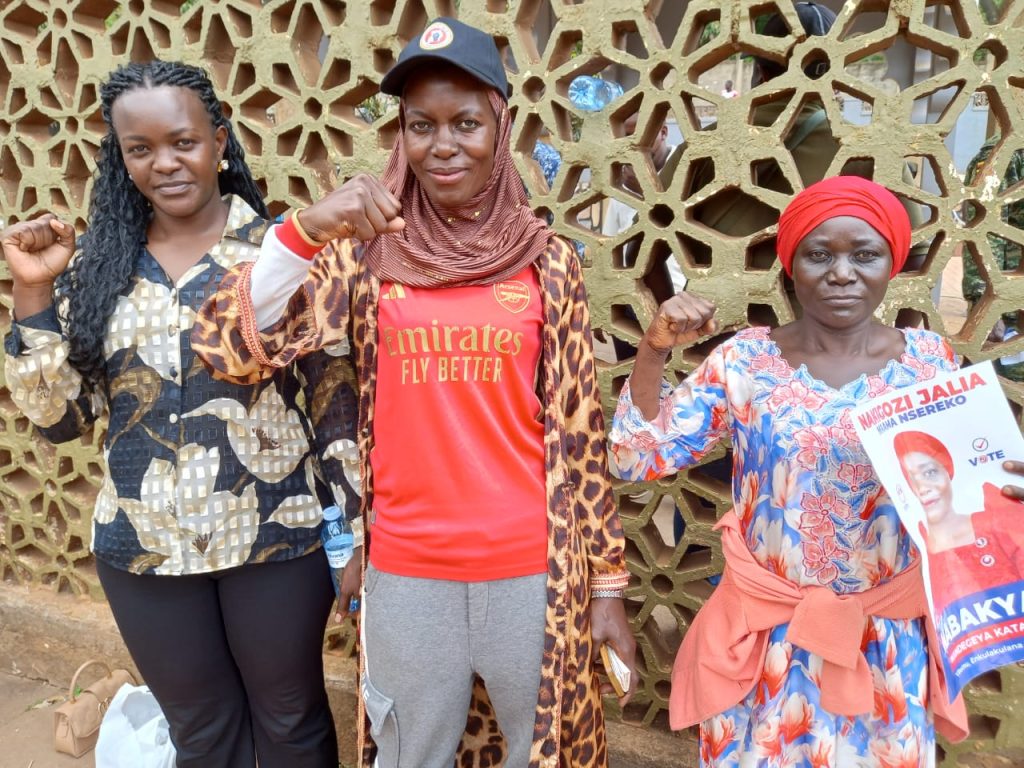
Speaking in an interview on Friday (July 24, 2026, Lugoloobi said the area’s strategic location around the Wandegeya market complex presents opportunities for small businesses to embrace digital platforms to reach wider markets.
She said that, if elected, she would work with government agencies, private sector partners and development stakeholders to promote entrepreneurship, strengthen business networks and organise regular community meetings to address local development priorities.
Lugoloobi, who also serves as the Buganda Kingdom’s Information Secretary for Wandegeya Parish and chairs the area’s NUP Kunga Buganda Taskforce, argued that local leadership should focus on innovation and effective mobilisation to improve livelihoods.
She also called for greater transparency in the implementation of government youth empowerment initiatives, including the Presidential Skilling Programme, saying residents of the zone should be among the primary beneficiaries of projects operating within their community.
Another contender, Simon Kirabo Sentamu, has centred his campaign on tackling youth unemployment and improving public safety around the Wandegeya market area.
Sentamu said he would lobby Kampala Capital City Authority (KCCA) and Kawempe Division leaders to expand access to government poverty alleviation programmes such as the Parish Development Model (PDM), Emyooga and other initiatives targeting women and youth entrepreneurs.
He also pledged to work closely with security agencies to strengthen crime prevention measures and advocate for improved street lighting around the market complex, saying better infrastructure would enhance both security and business activity.
Like Lugoloobi, Sentamu said more local young people should benefit from the Presidential Skilling Programme operating within the market precinct.
Role of LC1 chairpersons
LC1 chairpersons head the lowest level of Uganda’s local government system and serve as the primary link between communities and higher government authorities.
They chair Local Council meetings, coordinate community development activities, promote security through collaboration with law enforcement agencies, help resolve minor community disputes, mobilise residents for government programmes and represent local interests before parish, sub-county and municipal authorities.
Although the office carries limited executive powers, LC1 leaders play a critical role in grassroots governance, service delivery, citizen mobilisation and implementation of government programmes.
The 2026 LC1 elections mark the first nationwide election for village and zone chairpersons in many years after repeated postponements arising from legal, administrative and financial challenges, as well as delays in updating village registers and electoral preparations.
The prolonged absence of fresh elections meant many LC1 officials continued serving beyond their original mandates, prompting calls from citizens, civil society organisations and political actors for renewed grassroots leadership through the ballot.
The Electoral Commission has scheduled voting for Monday, July 28, 2026, with millions of Ugandans expected to elect village and zone leaders who will form the foundation of the country’s local governance structure.