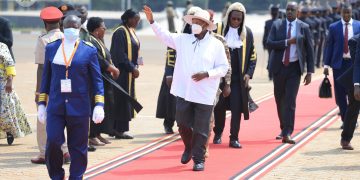



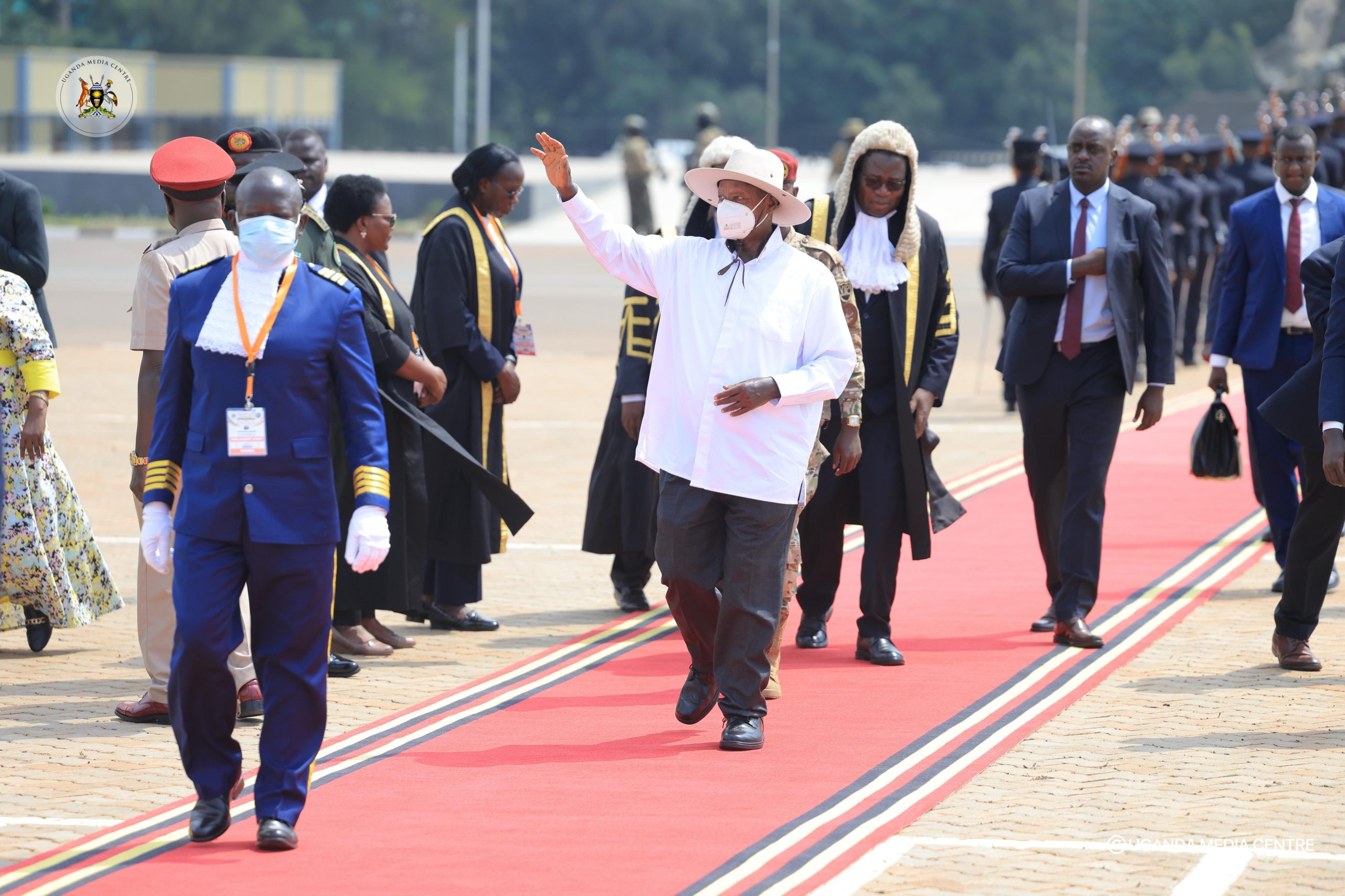
The opening of Uganda’s budget reading for the 2026/2027 financial year at Kololo Independence Grounds was intended to be a moment of national reflection on the country’s economic priorities. Instead, a symbolic act by opposition legislators has ignited debate about political conduct, institutional respect, and the maturity of Uganda’s democratic culture.
As President Yoweri Museveninarrived at the ceremonial grounds, Members of Parliament, government officials, diplomats and invited guests rose to their feet in accordance with long-established protocol accorded to the Head of State. However, a section of opposition legislators, particularly from the National Unity Platform (NUP), remained seated in what appeared to be a deliberate act of protest.
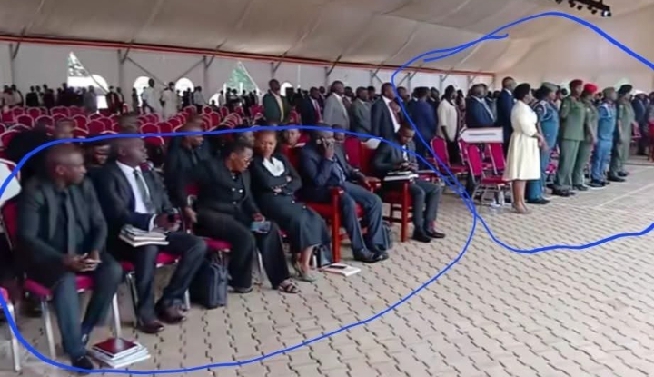
The gesture immediately drew attention, with some lawmakers visibly engrossed in their mobile phones while others remained expressionless as the President entered the venue.
While supporters of the protest may view the action as a demonstration of political dissent, critics argue it reflected a troubling misunderstanding of the distinction between opposing a government and respecting state institutions.
Political observers noted that mature democracies often accommodate fierce political rivalry without abandoning the norms that uphold national institutions. They argue that standing for the arrival of a sitting president at a constitutional function is less about endorsing an individual leader and more about recognizing the office he occupies on behalf of the state.
Several analysts described the incident as an unnecessary display that shifted attention away from the substance of the national budget and toward political theatrics.
According to them, opposition politics gains greater credibility when it focuses on policy alternatives and accountability rather than symbolic acts that can easily be interpreted as disrespectful or juvenile.
The criticism was not limited to government supporters. Some politicians from opposition circles privately questioned the wisdom of the protest, suggesting that elections and political contests inevitably produce winners and losers, but democratic institutions must continue functioning regardless of political disagreements.
“What happened was unprecedented,” one opposition MP who preferred anonymity remarked. “Political competition is normal, but there are certain national occasions where respect for institutions should take precedence. The presidency remains the fountain of honour, regardless of who occupies the office.”
The episode has once again exposed the broader challenge facing Uganda’s opposition politics: balancing legitimate dissent with the responsibilities that come with public leadership.
While protest remains a fundamental democratic right, many observers contend that political maturity is demonstrated not merely through resistance, but through the ability to distinguish between opposing policies and undermining the decorum of national institutions.
As the country moves closer to another electoral cycle, the events at Kololo are likely to fuel renewed debate over what constitutes effective opposition politics. For many analysts, the question is not whether leaders should disagree with President Museveni, but whether such disagreements should be expressed in ways that strengthen rather than diminish the image of Parliament and the democratic process itself.