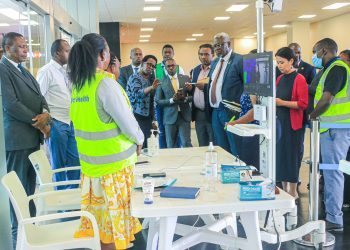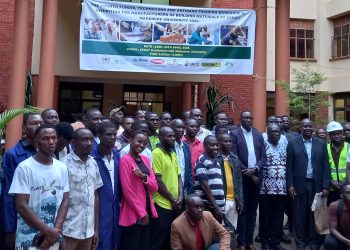



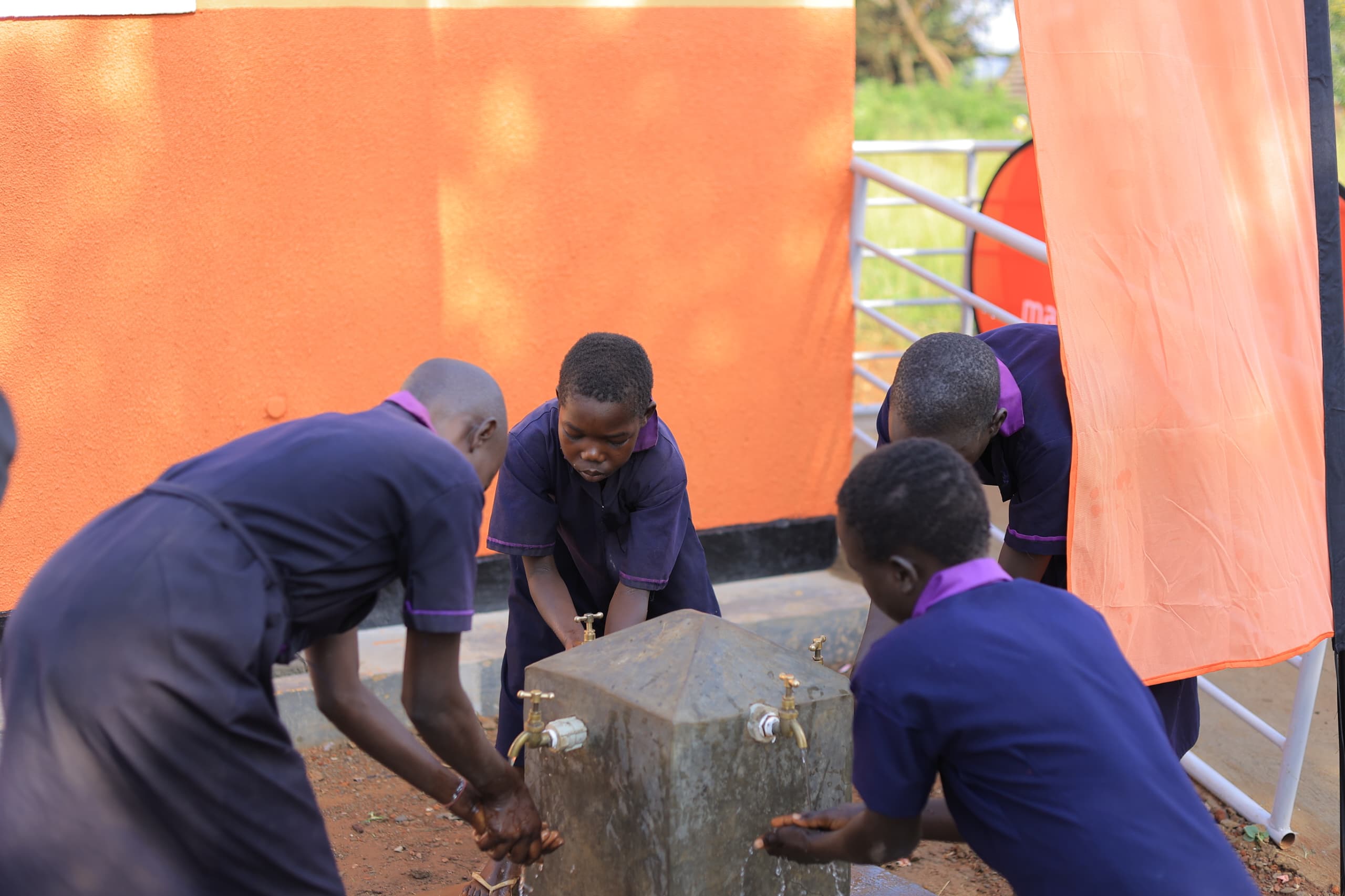
Absa Bank Uganda and World Vision Uganda have commissioned new water and sanitation facilities in Abim District, extending the impact of the Absa KH3 7 Hills Run in addressing barriers that affect girls’ participation in education across Uganda.
The facilities include changing rooms and water points at Kanu Primary School, as well as a five-stance washroom facility at Arembwola Primary School. Together, the infrastructure will benefit 3,519 learners by improving access to safe water, sanitation and appropriate menstrual hygiene facilities.
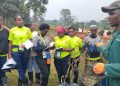
In addition, 2,650 students across six schools — Kanu, Arembwola, Oryeotyene, Aninata, Otalabar and Amita primary schools — received life-skills training under the programme.
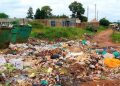
These interventions respond to a significant challenge in Karamoja. According to the 2025/26 Uganda WASH Sector Budget Brief, 60.2% of households in the region lack access to a sanitation facility, the highest proportion in the country, compared with the national average of 6.7%.
For girls, inadequate water and sanitation facilities can affect education through the time spent collecting water and challenges in managing menstrual hygiene at school. The potential impact of improved WASH infrastructure is significant. A five-year WASH in Schools initiative across 100 schools in Karamoja recorded a 38% increase in girls’ enrolment, alongside improvements in access to safe water and sanitation.
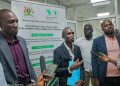
Speaking at the commissioning, Absa Bank Uganda Managing Director David Wandera said the intervention reflects the wider purpose of the 7 Hills Run.
“Keeping a girl in school sometimes means addressing practical challenges that are easy to overlook. It may be the distance she travels to school, access to scholastic materials, disability, or something as basic as having water and appropriate sanitation at school.
Through the 7 Hills Run, we are working with partners to address these barriers in ways that respond to the needs of different communities,” Wandera said.
Since its inception, the Run has supported interventions across Uganda, including school fees and scholastic materials, bicycles for girls travelling long distances, assistive devices for girls with disabilities, support for young mothers returning to education, menstrual hygiene, vocational skills, and water and sanitation facilities.
The commissioning marks a continuation of Absa and World Vision’s work in Abim. In 2024, the partners commissioned a borehole and changing-room facility at Awach Primary School, benefiting more than 5,700 people, including nearly 900 girls. At the time, the school had reportedly operated for approximately 50 years without its own water facility.
World Vision Uganda Country Director Jeremiah Nyagah said, “Access to safe water and sanitation can make a significant difference to a child’s experience at school. For girls, it also provides the privacy and dignity needed to manage menstrual hygiene without losing valuable learning time.
Through our partnership with Absa, we are working with schools, families and local leaders to ensure these solutions respond to community needs and are sustained over time.”
The Abim-Kanu intervention builds on wider efforts by the Government, district leadership and development partners to improve access to water, sanitation and education across Karamoja.
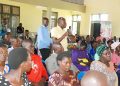
Omara Gideon, Head Teacher of Abim-Kanu Primary School, said, “Before this intervention, limited access to water and adequate sanitation facilities presented daily challenges for our learners, especially girls. Many lacked a private and dignified space to manage their menstrual hygiene while at school, which could affect their comfort, confidence and participation in learning.
“The construction of the girls’ changing rooms and water facilities will make a significant difference by providing a safer and more supportive school environment. We expect to see improved attendance, particularly among girls, greater participation in class, and a more positive learning experience for all learners. We are grateful to Absa Bank Uganda and World Vision Uganda for investing in the wellbeing and education of our children.”
Wandera added that Absa would continue working with partners to extend the impact of the 7 Hills Run.
“For us, the measure of the Run’s success is the impact that follows it: more girls able to attend school, remain in education and have the opportunity to pursue their ambitions,” he said.