


Fish farming is increasingly becoming a key driver of household income improvement and rural economic transformation in Kyenjojo District, according to Deputy Resident District Commissioner (RDC) Allan Bamuha.
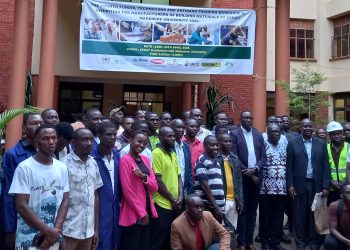
Speaking during a household income improvement engagement with members of the Butunduzi Fish Farmers Association, Bamuha said stakeholders had agreed on several strategies aimed at scaling up fish production among families across the district.
“Fish farming continues to play a critical role in improving household incomes and livelihoods,” he said, noting that the enterprise has emerged as one of Uganda’s fastest-growing agricultural sectors.
Across Uganda, aquaculture is providing farmers with a reliable source of income while strengthening food security and creating employment opportunities. With demand for fish steadily increasing, more households are embracing fish farming as a means of diversifying their livelihoods and building economic resilience.
Beyond income generation, fish farming is contributing significantly to household nutrition. Fish is a rich source of protein, vitamins, and essential minerals, enabling farming families to improve their diets by consuming part of their harvest. This has helped address malnutrition, particularly among children in rural communities.
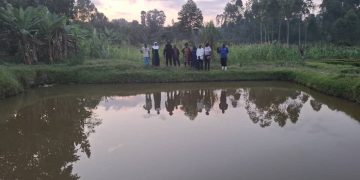
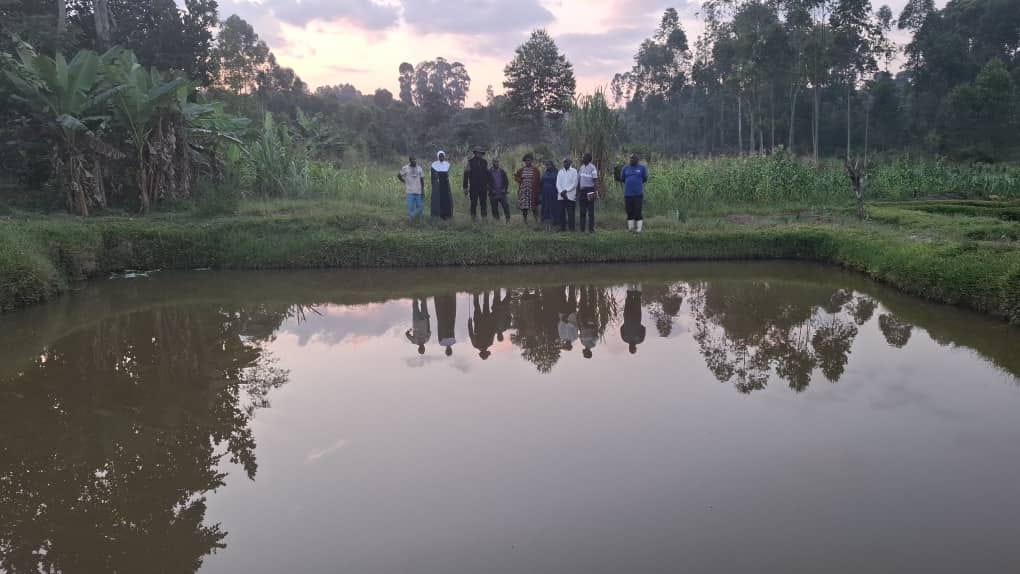
Fish farming involves raising fish in ponds, cages, tanks, and other controlled environments for both commercial and domestic purposes. The most commonly farmed species in Uganda include Nile tilapia and African catfish, which are well suited to the country’s climate and enjoy strong market demand. Experts note that profitability depends on proper stocking density, quality feeds, and effective water management practices.
The expansion of the sector has also boosted related businesses such as fish feed manufacturing, fingerling hatcheries, equipment supply, transportation, and fish marketing. These value-chain activities are creating additional employment and income-generating opportunities beyond fish production itself.
Despite challenges including high feed costs, limited access to quality fingerlings, and disease management concerns, fish farming remains a promising pathway for poverty reduction and economic development. Leaders and agricultural experts say that with continued training, access to quality inputs, and supportive government interventions, the sector has the potential to significantly improve household incomes and drive sustainable rural development.
The Butunduzi Fish Farmers Association is among several farmer groups in Kyenjojo District working to expand aquaculture production and improve the livelihoods of local communities.