


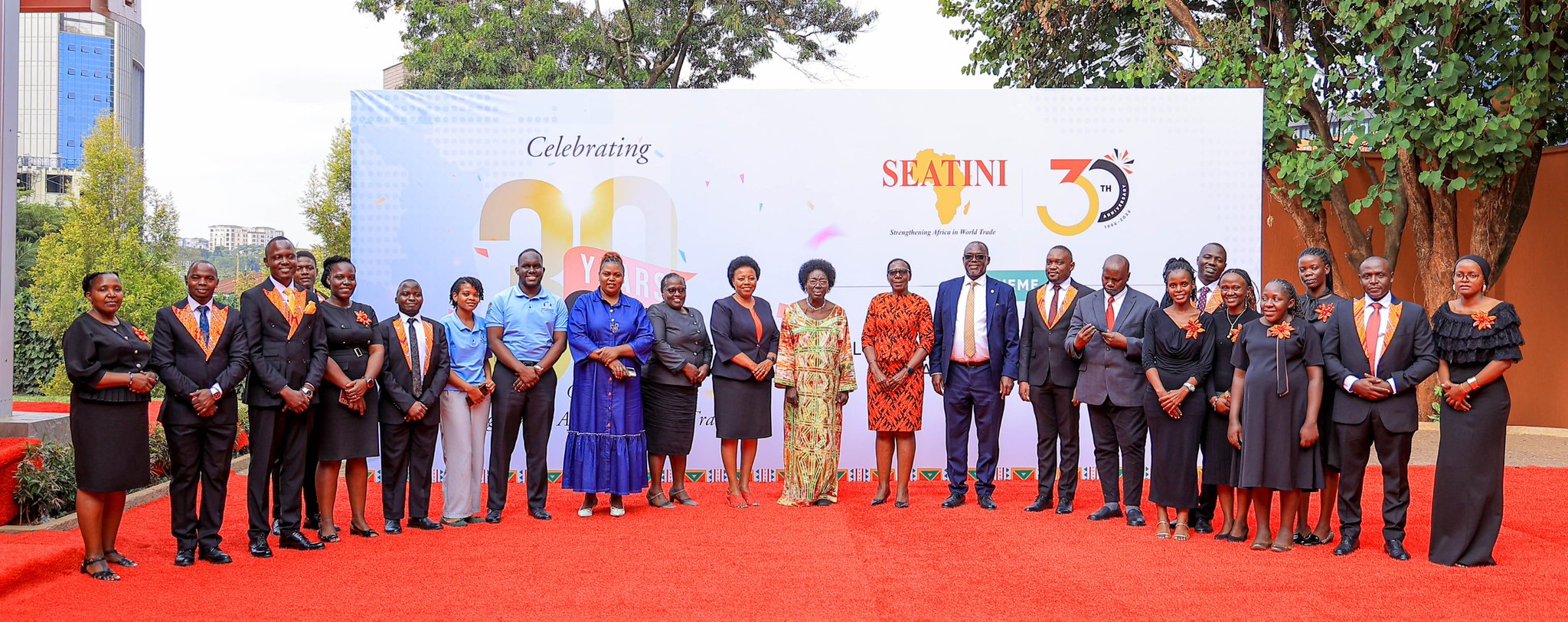
SEATINI has marked 30 years of championing Africa’s voice in global trade by reaffirming its commitment to advancing Africentric solutions for equitable and sustainable development while unveiling four major strategic initiatives aimed at strengthening African policy leadership and knowledge systems.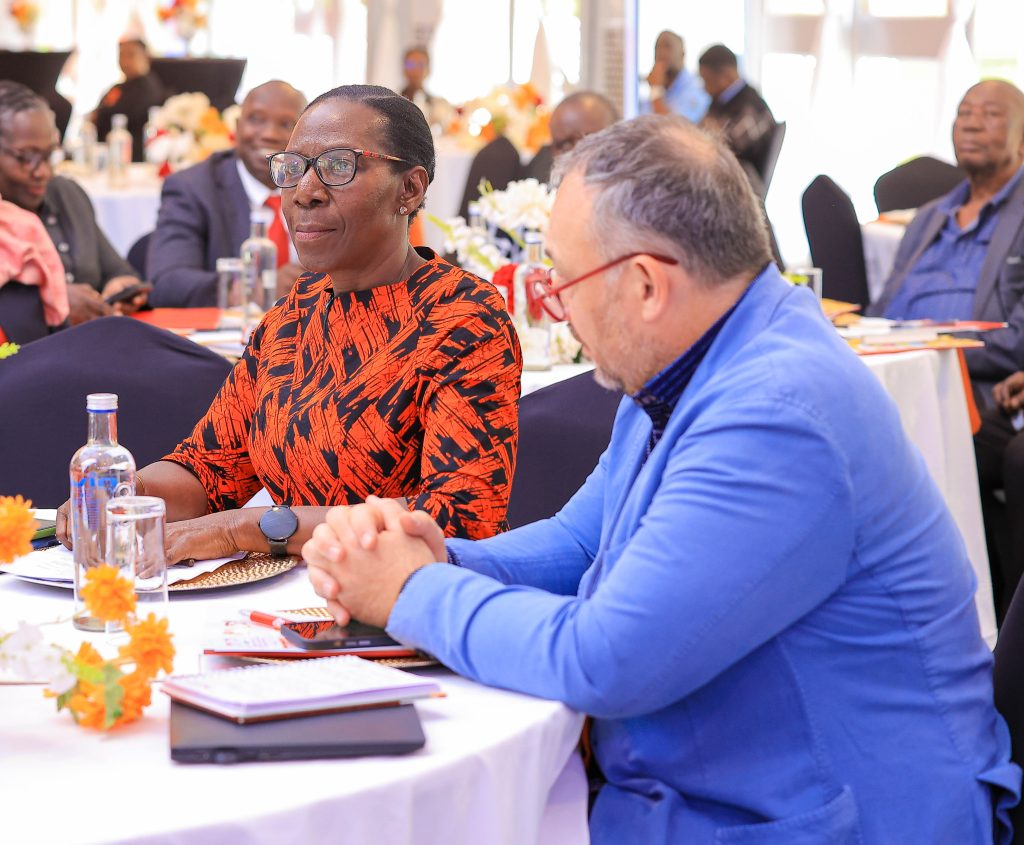 The Southern and Eastern Africa Trade Information and Negotiations Institute (SEATINI) celebrated the milestone in Kampala on Thursday, bringing together senior government officials, development partners, regional institutions, academia, civil society organisations and private sector representatives to reflect on the institution’s contribution to Africa’s trade and development agenda.
Founded in 1996 by Professor Yash Tandon, SEATINI was established to strengthen Africa’s capacity to engage in global trade negotiations at a time when many African countries had limited technical expertise to influence international trade rules.
Throughout its 30-year journey, SEATINI has played a key role in shaping debates on trade, investment, taxation, fiscal justice, regional integration, sustainable agriculture and climate justice. It has also supported governments, parliamentarians, civil society organisations and regional institutions in developing policies that promote inclusive and sustainable development.
Delivering the keynote address, Dr. David Luke, Professor in Practice and Strategic Director of the Firoz Lalji Institute for Africa at the London School of Economics and Political Science (LSE), described SEATINI as one of the few African institutions that has remained impactful for three decades.
“For SEATINI to reach three decades of impactful operation is a powerful testament to the dedication of its founders and leaders,” Dr. Luke said.
He paid tribute to Professor Yash Tandon, Ambassador Nathan Irumba and Ms. Jane Nalunga for their visionary leadership in building one of Africa’s leading trade and development policy institutions.
Dr. Luke noted that knowledge sharing and capacity building remain central to SEATINI’s mission, adding that the institution’s work is now more important than ever as Africa navigates geopolitical shifts, climate change, technological transformation and evolving global trade rules.
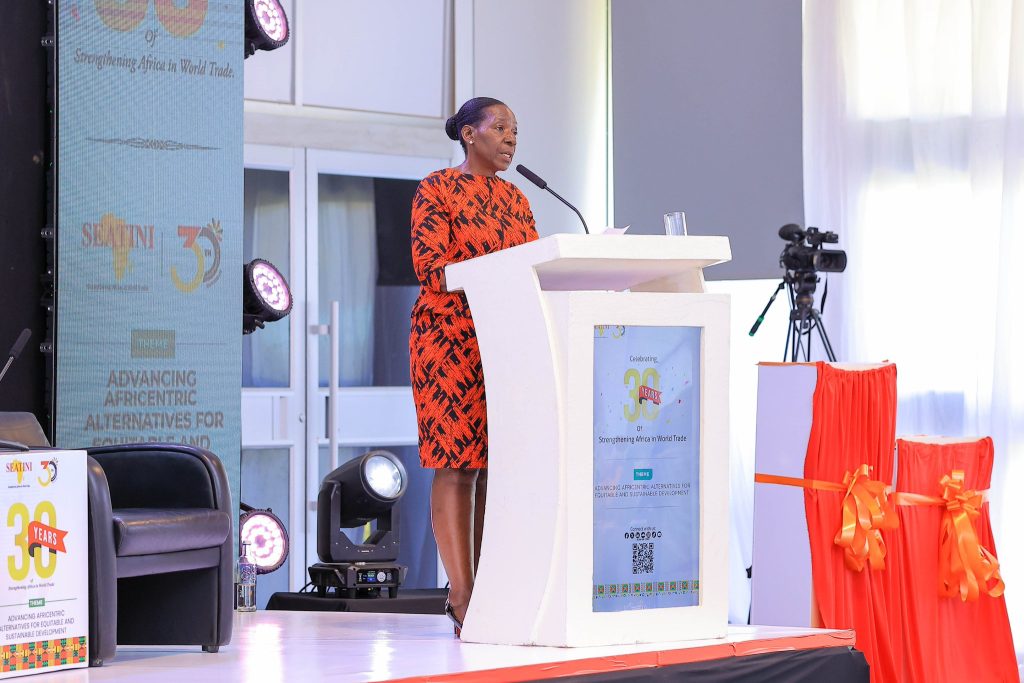
Speaking during the celebrations, SEATINI Executive Director Jane Nalunga described the anniversary as both a celebration of the institution’s achievements and a renewed commitment to Africa’s future.
“For thirty years, SEATINI has worked alongside governments, regional institutions, civil society and development partners to strengthen Africa’s voice in global trade. Our next chapter is about building stronger African knowledge systems and advancing Africentric alternatives that respond to today’s development challenges,” Nalunga said.
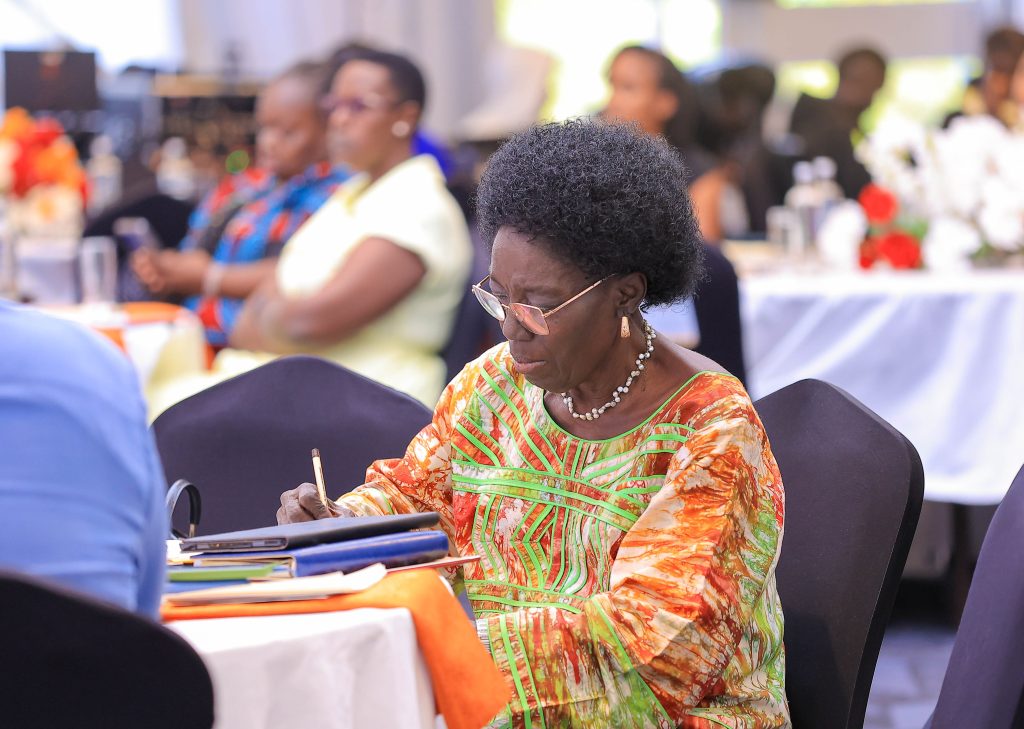
The Guest of Honour, Rt. Hon. Rebecca Alitwala Kadaga, First Deputy Prime Minister and Minister for East African Community Affairs, stressed the need for trade to drive industrialisation, create jobs, strengthen regional value chains and deliver meaningful benefits to African citizens. She also called for greater support for women and youth entrepreneurs.
Remarks delivered on behalf of Rt. Hon. Dr. Ruhakana Rugunda, Special Envoy for Special Duties in the Office of the President, by Prof. Ezra Suruma highlighted the importance of strong institutions, productive economies and visionary leadership in achieving sustainable development.
The celebrations also featured a high-level panel discussion on Africa’s positioning in global trade, finance and investment governance. Panelists called for stronger African leadership in shaping global economic policies, deeper regional integration, increased investment in domestic productive capacity and stronger institutions capable of delivering African-led policy solutions.
As part of its next phase of growth, SEATINI launched four flagship initiatives: the SEATINI Strategic Plan (2026–2030), the Yash Tandon Trade and Development Knowledge Hub, the Africentric Trade and Development Policy Academy, and the SEATINI Africa digital platform.
The organisation said these initiatives will serve as platforms for research, policy engagement, leadership development, collaboration and knowledge sharing, further strengthening Africa’s capacity to influence global economic governance.
As SEATINI enters its fourth decade, the institution reaffirmed its commitment to working with governments, regional economic communities, academia, civil society, development partners and the private sector to deepen evidence-based policymaking and ensure African perspectives remain central to global trade and development discussions.