


MUBENDE District (UGNEWSLINE) – President Yoweri Kaguta Museveni has challenged newly commissioned Uganda People’s Defence Forces (UPDF) officers to support economic growth, strengthen civil-military relations and embrace science and technology to enhance Uganda’s defence capabilities.
Museveni said a strong and productive economy was essential for sustaining an effective military, urging commanders to protect wealth creation in agriculture, manufacturing, services and information and communications technology (ICT).
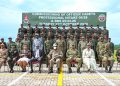
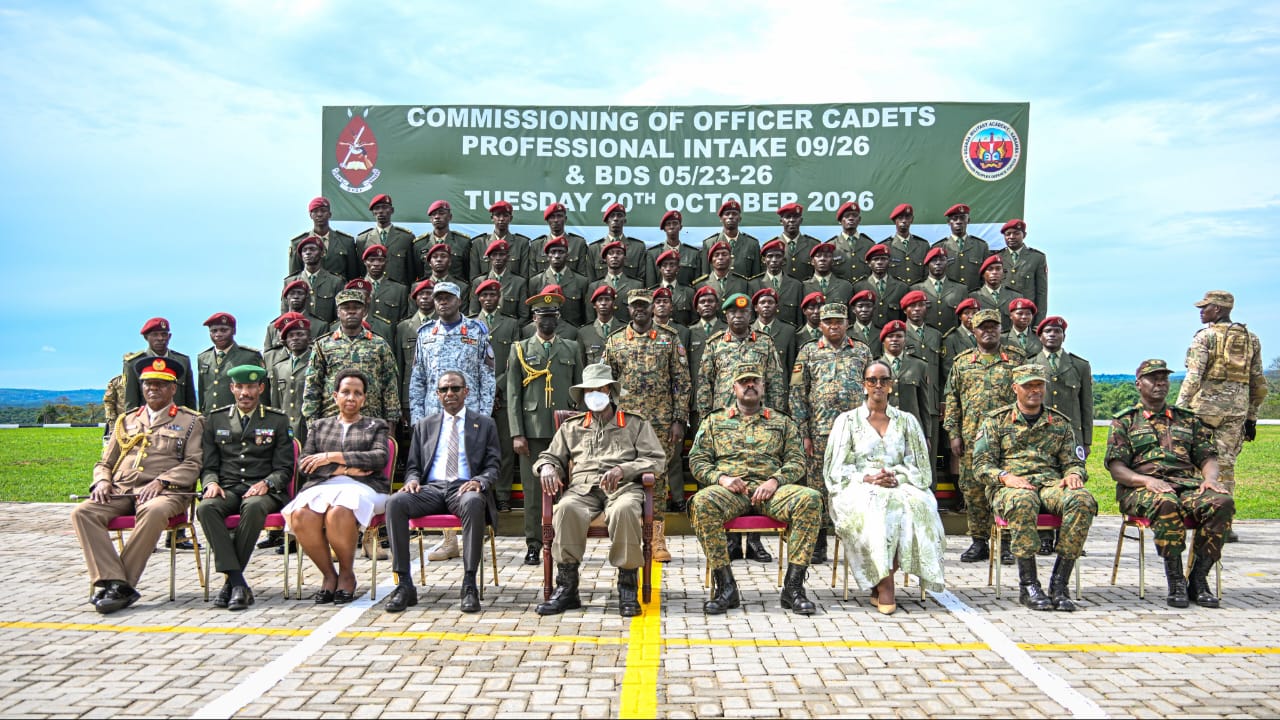
He made the remarks on Tuesday, October 20, 2026, while commissioning 280 officer cadets at the Uganda Military Academy in Kabamba, Mubende District, after they completed the Bachelor of Defence Studies and Professional Cadet programmes.
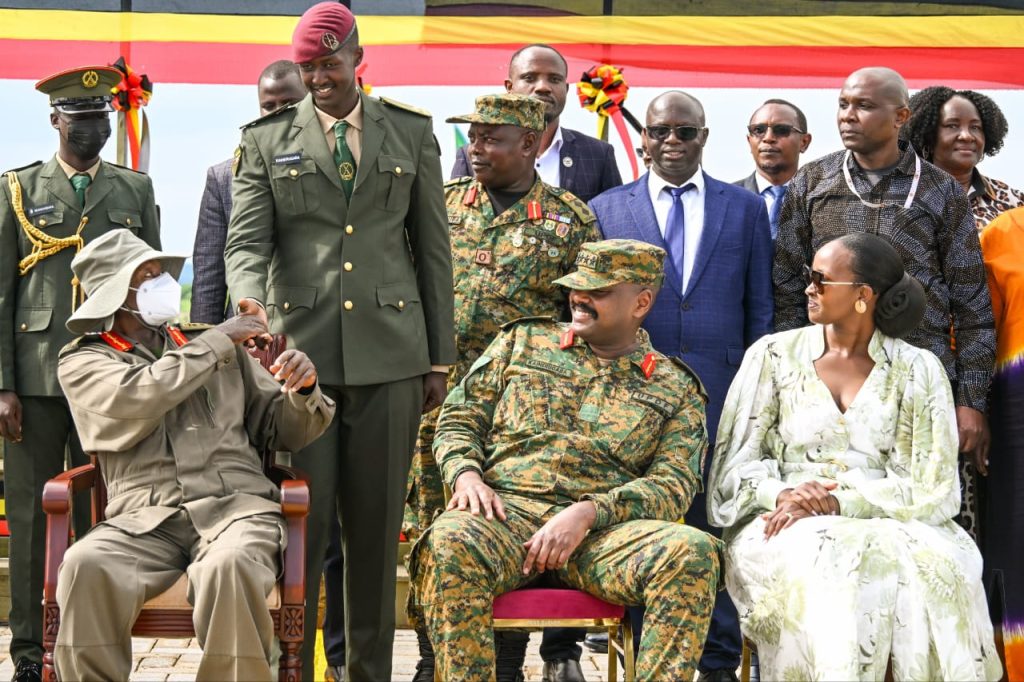 The President called on military leaders to identify and address activities that undermine economic productivity, particularly theft targeting farmers and other wealth creators.
He singled out livestock theft as a major concern, warning that the vice frustrates farmers’ efforts and undermines government initiatives such as the Parish Development Model, which seeks to improve household incomes and promote economic transformation.
Museveni urged the UPDF to work with relevant authorities to combat such crimes and protect citizens’ livelihoods.
Civil-military relations and professionalism
The President emphasised the importance of strong civil-military relations, urging the newly commissioned officers to uphold discipline, professionalism and responsible conduct to maintain public trust in the armed forces.
He recalled that during Uganda’s liberation struggle, support from civilians helped fighters overcome shortages of weapons and other military equipment, demonstrating the critical role of public cooperation in achieving security objectives.
Museveni said the relationship between the military and the population remained essential to national security and called on the officers to preserve that bond through exemplary conduct.
He also stressed the need for rigorous military training to ensure soldiers are competent, confident and capable of handling their weapons effectively.
The President urged military commanders to invest in modern training infrastructure that meets international standards and exposes officer cadets to best practices in military education.
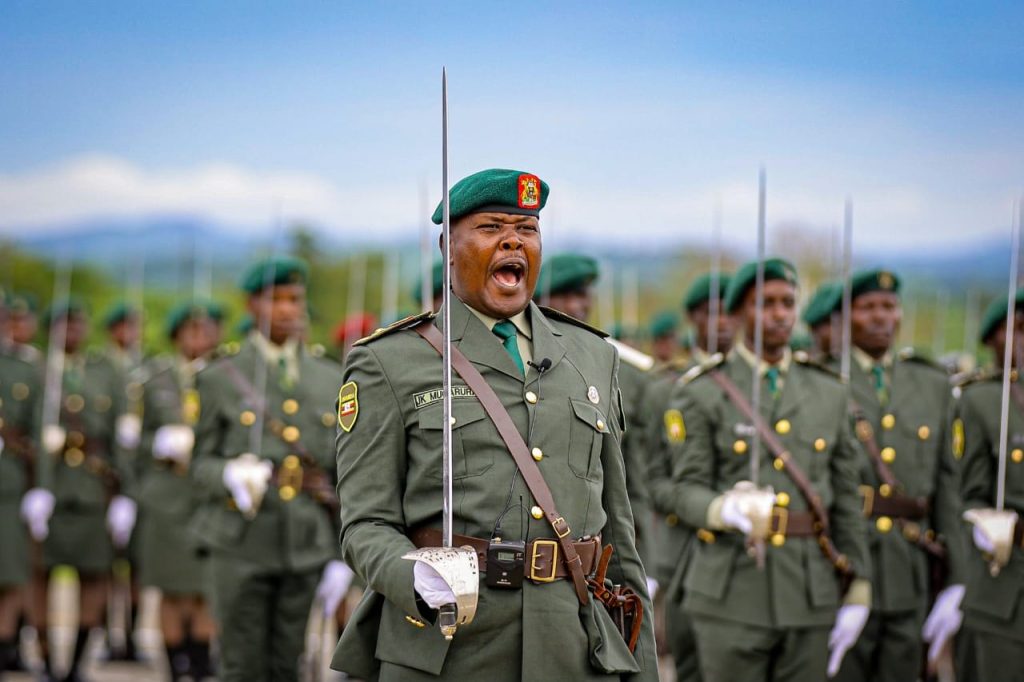 He said a clear vision of the desired standards would enable the military to improve its training institutions progressively, even when resources were limited.
Technology Key to Modern Defence
Museveni identified science and technology as critical to strengthening Africa’s defence capabilities, arguing that technological advancement was necessary to overcome historical disadvantages that contributed to the continent’s vulnerability during the slave trade and colonialism.
He urged the UPDF to prioritise technological development alongside economic productivity, public cooperation and professional military training, describing the four areas as fundamental pillars of national defence.
The President also commended the Chief of Defence Forces (CDF), Gen. Muhoozi Kainerugaba, for efforts to combat corruption within the military, saying the vice had negatively affected soldiers’ welfare.
He said improving military personnel’s remuneration and eliminating corruption were important measures for enhancing the welfare of service members and strengthening the institution.
Museveni further cautioned the newly commissioned officers against neglecting their health, noting that good physical well-being was essential for a long and productive military career.
Military academy shifts towards critical thinking
Meanwhile, the Commandant of the Uganda Military Academy, Brig. Gen. Saad Katemba, said the institution was transitioning from traditional military training towards a model that emphasises critical thinking, informed decision-making and strategic competence.
Katemba said the shift was intended to prepare future military leaders to respond effectively to the increasingly complex demands of national, regional and international security.
He noted that modern military operations required officers who could analyse situations, assess emerging threats and make timely, informed decisions in the execution of their duties.
The commandant said the academy’s partnership with Makerere University was helping to strengthen the intellectual and professional capabilities of officer cadets to meet the changing demands of defence and security.
He made the remarks during the commissioning ceremony, at which 280 cadets who had completed the Bachelor of Defence Studies and Professional Cadet programmes were formally commissioned into the UPDF officer corps.
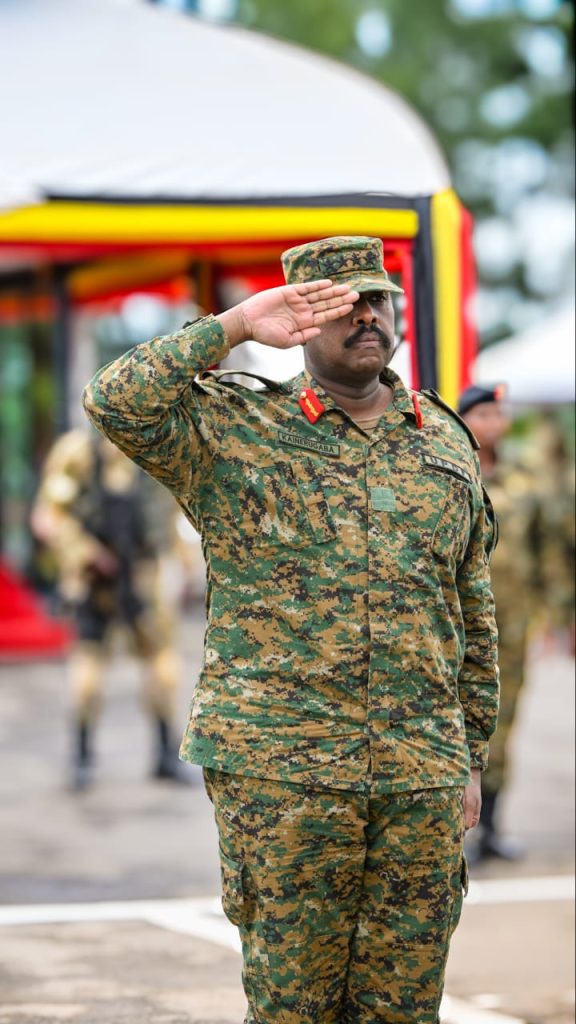
CDF urges loyalty, discipline and commitment
Gen. Kainerugaba congratulated the newly commissioned officers on completing their initial professional military training, urging them to uphold loyalty and discipline, which he described as fundamental to UPDF traditions and essential for maintaining peace and security.
He directed the officers to report to their respective units and formations to participate in ongoing military assignments, saying the experience would help them develop into well-rounded leaders while contributing to national security.
The CDF reaffirmed the UPDF’s commitment to maintaining high standards of military education, acquiring modern equipment, improving soldiers’ welfare and strengthening discipline through ideological and political education.
He also recognised the contribution of military instructors and trainers in preparing the officers and enhancing professional training across the UPDF’s military schools and colleges.
Intensifying operations against violent crime
Kainerugaba warned that security agencies would intensify operations in response to reports of increased violent crime in some parts of the country.
He expressed concern over incidents in which suspected criminals were reportedly using machetes and, in some cases, firearms to rob and kill people, as well as sexually assault women.
The CDF said security agencies operating under the inter-agency security framework were coordinating efforts to track down and apprehend the suspects.
He added that operations would continue to protect lives and property and ensure public safety.
However, Kainerugaba described the security situation in Uganda and the wider region as relatively calm, noting that regional peace and stabilisation missions remained active.
Reaffirms regional security role
The CDF highlighted the UPDF’s contribution to regional peace, security and development, particularly in the Democratic Republic of Congo, South Sudan and Somalia.
He said the force’s regional engagements reflected its patriotic and Pan-African outlook, extending beyond the defence of Uganda’s territorial integrity to supporting stability across the continent.
Kainerugaba commended Museveni for his leadership and guidance to the military and praised the newly commissioned officers for choosing to serve the country.
He urged them to translate their training into professional service, disciplined leadership and a firm commitment to protecting Uganda and contributing to regional peace and stability.
The commissioning of the 280 officers marks another step in the UPDF’s efforts to develop a professional force capable of responding to evolving security threats while embracing modern military education, technological advancement and improved personnel welfare.