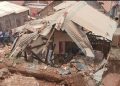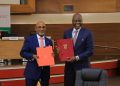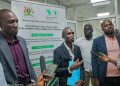



BUGOLOBI, Uganda – Architects, government officials, planners, financiers and civil society organisations have renewed calls for stronger government action to address Uganda’s estimated housing deficit of 2.4 million units, saying effective implementation of budget commitments is critical to improving access to decent and affordable housing.
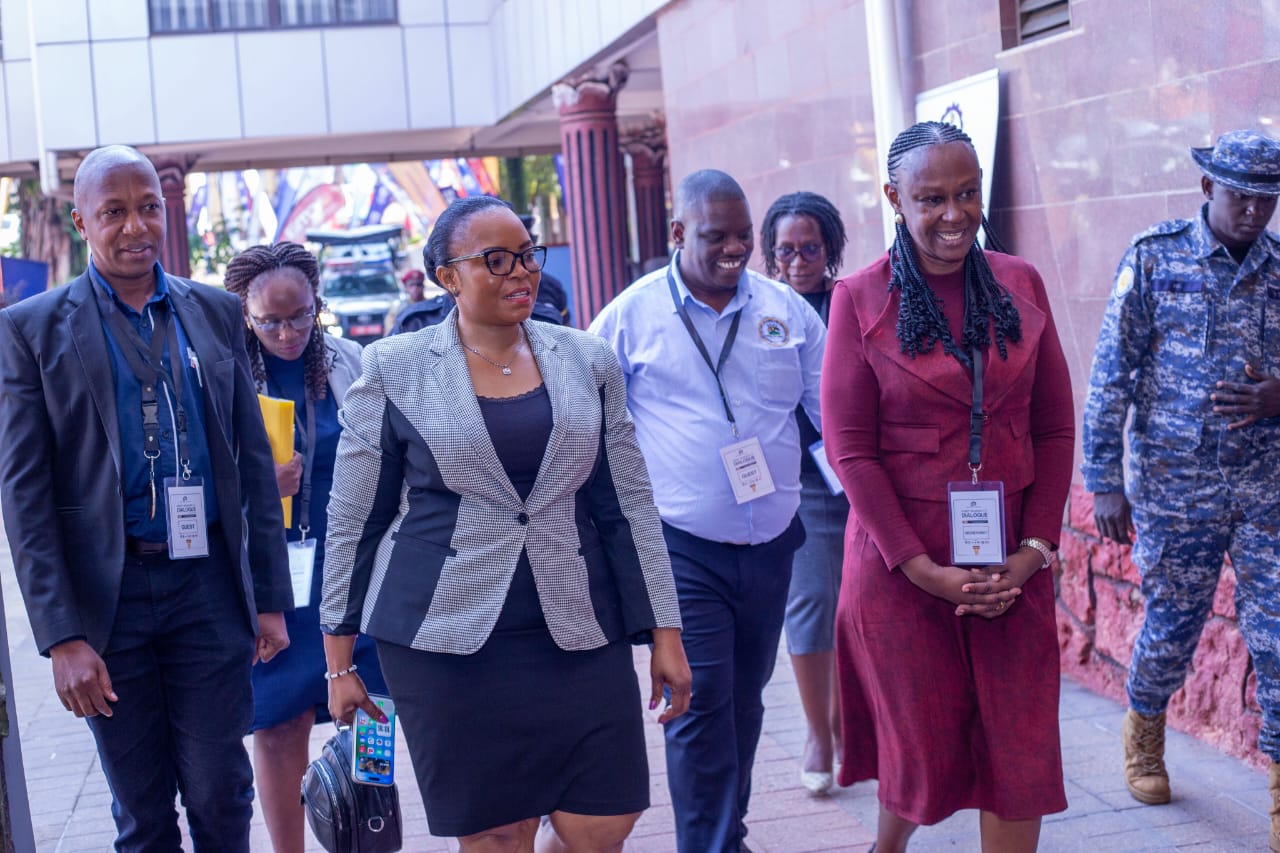
The calls were made on Thursday during a post-budget dialogue on housing organised by the Uganda Society of Architects (USA) at Silver Springs Hotel in Bugolobi under the theme, “Tracking Housing Commitments in the National Budget.”
Speaking at the event, Uganda Society of Architects President, Architect Kenneth Amunsimire, said the dialogue was intended to assess government commitments to the housing sector under the National Development Plan and identify practical solutions to accelerate housing delivery.
“Housing is one of the five pillars of development. We have brought together professional bodies, the Ministry of Finance, the Ministry of Lands, Housing and Urban Development, the National Planning Authority, engineers, financial institutions and civil society to ensure housing remains a national priority and that the current deficit of 2.4 million housing units is reduced,” he said.
Amunsimire also revealed that the Uganda Society of Architects is marking its 60th anniversary, with celebrations running until October 2. However, he expressed concern over the growing number of unregistered practitioners operating in the profession.
“Only 410 architects are currently registered despite many having studied architecture. We urge the public to always engage registered architects or seek guidance from the Society to avoid falling victim to fraudsters and substandard construction,” he said.
Representing the Minister of Finance, Patrick Ochaila outlined government priorities for the housing sector, including upgrading informal settlements such as Kivulu and Namugongo, expanding affordable housing, strengthening research to inform policy, tracking development in underserved areas and understanding market demand, particularly among students.
Ochaila said housing will play a critical role in Uganda’s ambition of growing the economy to US$500 billion by 2040. He called for innovative construction technologies, lower building costs, improved returns on investment, tax reforms to support the construction sector and stronger measures to address the rapid growth of informal settlements.
He commended the Uganda Society of Architects for convening stakeholders to discuss the sector’s future.
Minister of State for Housing Princess Persis Namuganza called for orderly urban development, urging architects to take a leading role in promoting proper physical planning before construction begins.
“People should consider the neighbourhood before building. Commercial buildings should not be mixed with residential developments. Uganda needs proper physical planning, and housing has always been a priority in the NRM manifesto,” she said.
Namuganza cited the high cost of construction materials, heavy taxation and restrictions on sand extraction as some of the major challenges affecting affordable housing. She challenged architects to showcase practical, low-cost housing models that could be scaled up nationally.
She also appealed to financial institutions to review loan recovery practices, saying the seizure of properties due to loan defaults has negatively affected many families.
“People need longer repayment periods and improved financial literacy. Loan defaults have contributed to family breakdowns, health challenges and even deaths,” she said.
The minister further advised Ugandans to avoid constructing buildings in wetlands and to ensure all developments follow approved physical plans.
National Planning Authority Executive Director Dr Joseph Muvawala urged Ugandans to prioritise decent housing, describing it as a key driver of social and economic transformation.
Meanwhile, Habitat for Humanity Uganda Advocacy Manager Paul Mayende said the organisation has spent more than 43 years supporting Ugandans to access affordable housing through innovative technologies such as interlocking blocks, which help reduce construction costs.
Mayende appealed to government to lower taxes on building materials, particularly affordable products such as 32-gauge iron sheets, to make decent housing more accessible to low-income households. He added that Habitat for Humanity continues to partner with the Buganda Kingdom to deliver affordable homes that strengthen family welfare and community development.
Participants agreed that closing Uganda’s 2.4 million-unit housing gap will require coordinated action by government, the private sector and development partners through better planning, affordable financing, tax reforms, professional regulation and wider adoption of innovative construction technologies.