





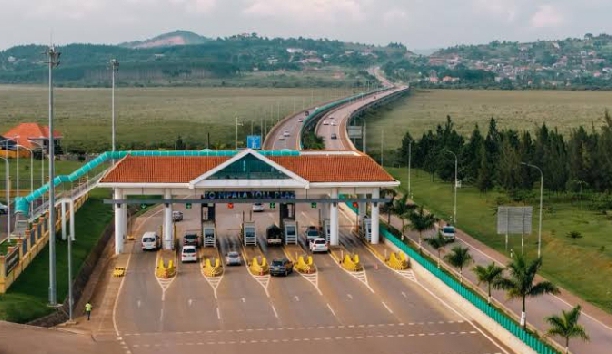
KAMPALA, Uganda — Ugandan lawmakers have launched an inquiry into the management of the country’s first toll road after an internal audit found that more than 10,000 vehicles could not be matched with official toll collection records on the Kampala-Entebbe Expressway, raising concerns over possible revenue losses and weaknesses in the electronic payment system.
The findings presented to Parliament’s Committee on Physical Infrastructure showed that 10,446 vehicles were missing from reconciled toll records across several periods, with auditors estimating potential revenue losses of more than one billion Ugandan shillings.
The audit indicated that 586 vehicles were not accounted for in November 2024, representing an estimated shortfall of about Shs407 million. A further 2,860 vehicles were missing from records in December 2025, while more than 7,000 vehicles were unaccounted for in May 2026.
The revelations prompted lawmakers to question the reliability and security of the expressway’s electronic toll collection system and demand explanations from the Ministry of Works and Transport, the expressway operator EGIS and contractor Pinnacle.
Committee chairperson Mwine Mpaka said Parliament needed assurances that taxpayers were receiving value from the major infrastructure investment, which was financed through a $350 million loan secured by the Ugandan government in 2021.
Officials told lawmakers that toll collections since operations began had reached about Shs129 billion, while approximately Shs122 billion had been paid to the contractor responsible for operating the tolling system.
Legislator James Waluswaka questioned whether the project was delivering sufficient returns, arguing that the near-equal value of toll income and contractor payments required closer scrutiny.
“When almost as much money goes to the contractor as what government collects from motorists, Parliament must ask whether Ugandans are obtaining value for money from this investment,” he said.
The ministry said payments to contractors were tied to performance targets, with deductions applied for failures such as poor road maintenance, damaged infrastructure, inadequate lighting and delays in implementing an overload control system.
Officials said about Shs55 million had repeatedly been deducted because the overload control system remained incomplete.
Lawmakers also raised concerns over the failure to use Shs1.6 billion allocated for weigh-in-motion bridges, which are designed to detect overloaded vehicles and protect road infrastructure.
Ministry engineer Isaac Wani said the delay was caused by unsuitable terrain around existing toll plazas, adding that the funds had been redirected into a later contract involving fixed weighbridges and new monitoring equipment.
The committee also questioned exemptions granted to some vehicles from paying toll charges, warning that exemptions without clear legal backing could undermine transparency and accountability.
Additional concerns were raised over transactions handled through the Automated Payment Collection Unit account, which temporarily receives electronic toll payments before transfer to Uganda’s Consolidated Fund.
Ministry Undersecretary Barbara Namugambe asked for more time to provide Parliament with reconciled records and supporting documents.
Lawmakers further demanded details on a more than Shs200 million training programme in India, questioning whether the expenditure had improved the management of the expressway.
The committee ordered the ministry to submit a detailed report on the training, including beneficiaries, costs and measurable outcomes, by 12 August 2026.
The parliamentary inquiry comes as governments across Africa increasingly invest in toll roads and digital transport systems, with questions over revenue protection, transparency and long-term value for public infrastructure projects gaining greater attention.


Minister Nameere backs First Son after public row
Uganda’s State Minister for Local Government, Justine Nameere, has publicly endorsed Gen Muhoozi Kainerugaba for president, days after the two...