


TradeMark Africa has stepped up consultations with Uganda’s small and medium-sized enterprises (SMEs) as part of efforts to improve their competitiveness and enable more local businesses to access regional and international export markets.
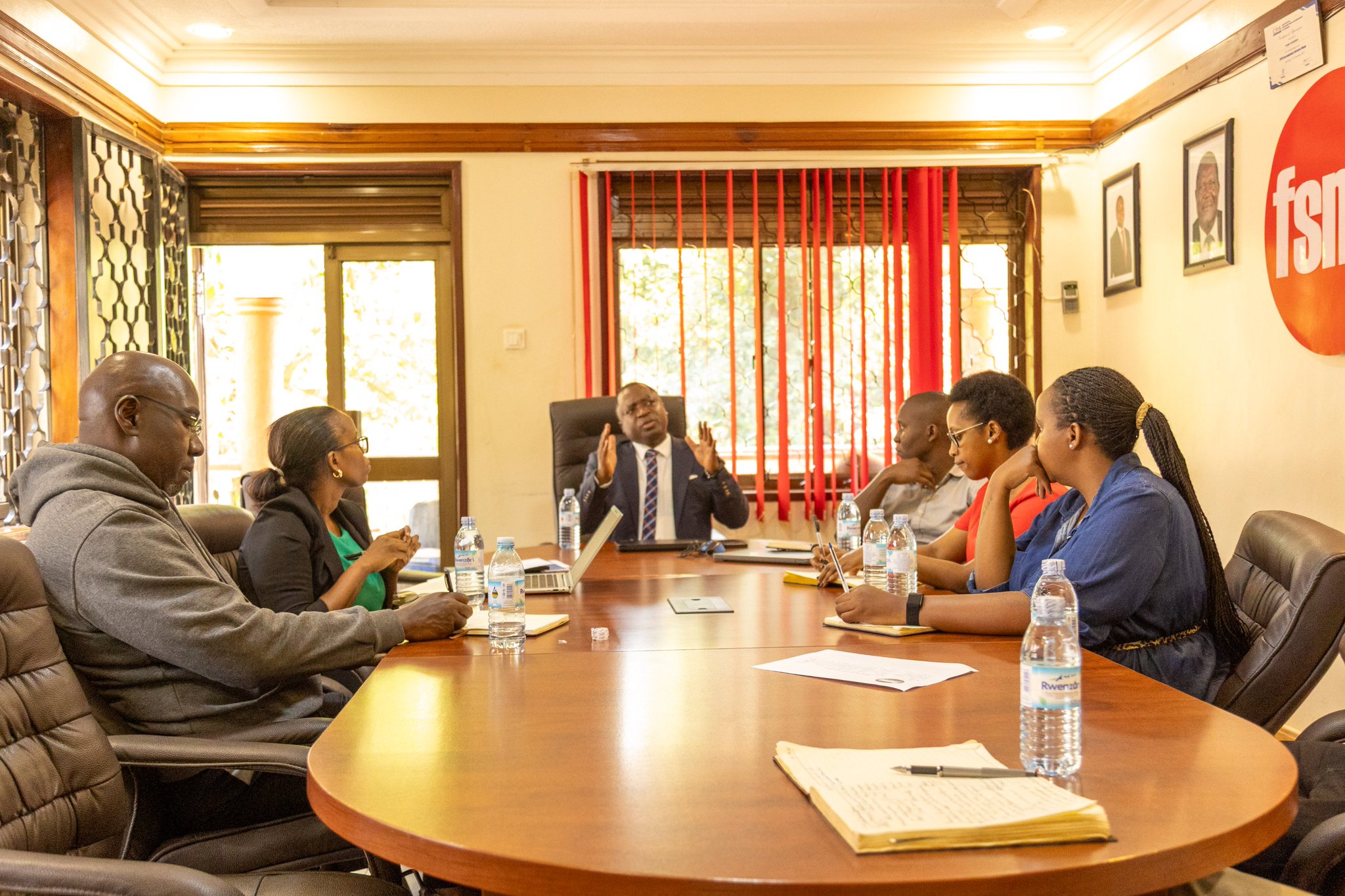
A team from TradeMark Africa paid a working visit to the Federation of Small and Medium-sized Enterprises (FSEM) Uganda headquarters, SME House in Ntinda, Kampala, where they held discussions with the organisation’s management on the challenges limiting SMEs from successfully exporting their products.
The TradeMark Africa team, led by Programme Managers Mathews Wanjala and Faith Mbabazi, engaged FSEM Uganda Executive Director John Walugembe and his management team on the key drivers and constraints affecting SMEs across different value chains.
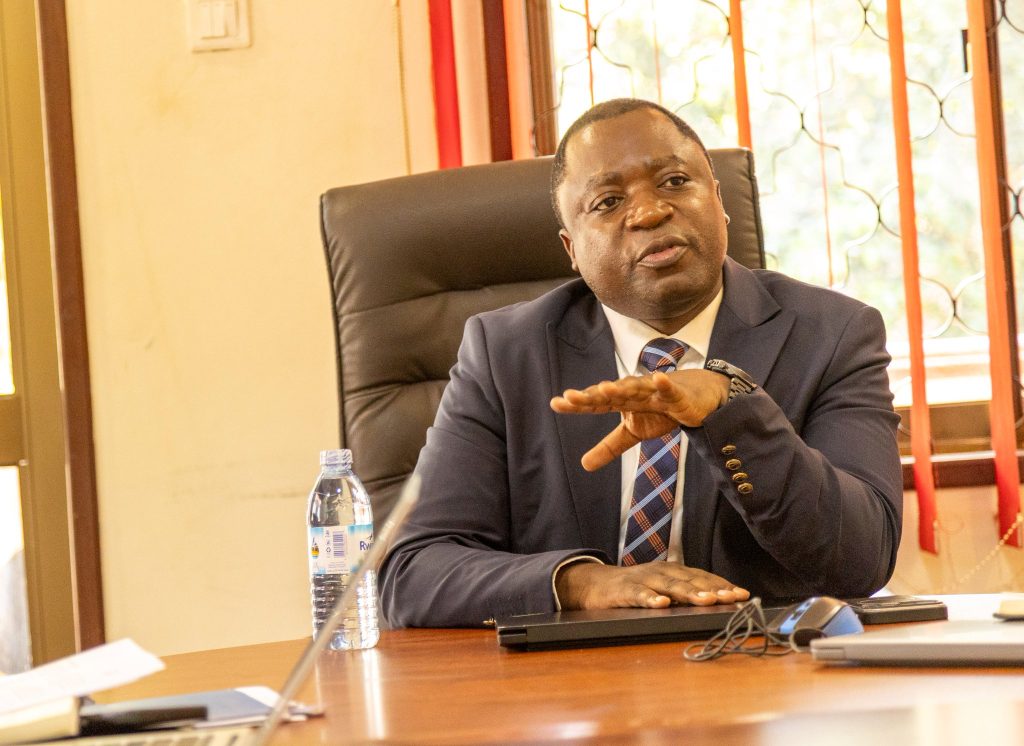
Walugembe said that although many Ugandan SMEs are ready and willing to export, several challenges continue to limit their ability to penetrate and compete effectively in foreign markets.
He identified limited market intelligence, a complex logistics environment, currency fluctuations and inadequate access to financing as some of the major obstacles facing export-oriented SMEs.
“Major challenges facing SMEs who are ready and willing to export include lack of market intelligence, a complex logistics environment, currency fluctuations and inadequate financing,” Walugembe said.
He, however, noted that FSEM Uganda has embarked on several initiatives and partnerships with government and private-sector stakeholders to create sustainable channels through which products made by local SMEs can reach regional and international markets.
“These include our own initiatives such as ‘Passport to Export’ and trade missions, as well as collaborations with Uganda Free Zones and Export Promotions Authority and UNCDF,” Walugembe said.
He added that strengthening the capacity of SMEs to understand export requirements, identify viable markets and overcome logistical and financial barriers remains critical to increasing Uganda’s export earnings.
On behalf of TradeMark Africa, Mbabazi said the organisation is designing a private sector-led programme aimed at improving the competitiveness of local businesses while reducing barriers to trade.
She said the programme will seek to address some of the challenges preventing Ugandan businesses from fully benefiting from opportunities in regional and international markets.
The consultations are expected to strengthen collaboration between TradeMark Africa and FSEM Uganda and contribute to the development of practical interventions that can help SMEs expand beyond the domestic market.
With SMEs forming a significant part of Uganda’s private sector, stakeholders say improving access to export markets could help businesses grow, create jobs, increase foreign exchange earnings and strengthen Uganda’s participation in regional and global value chains.