


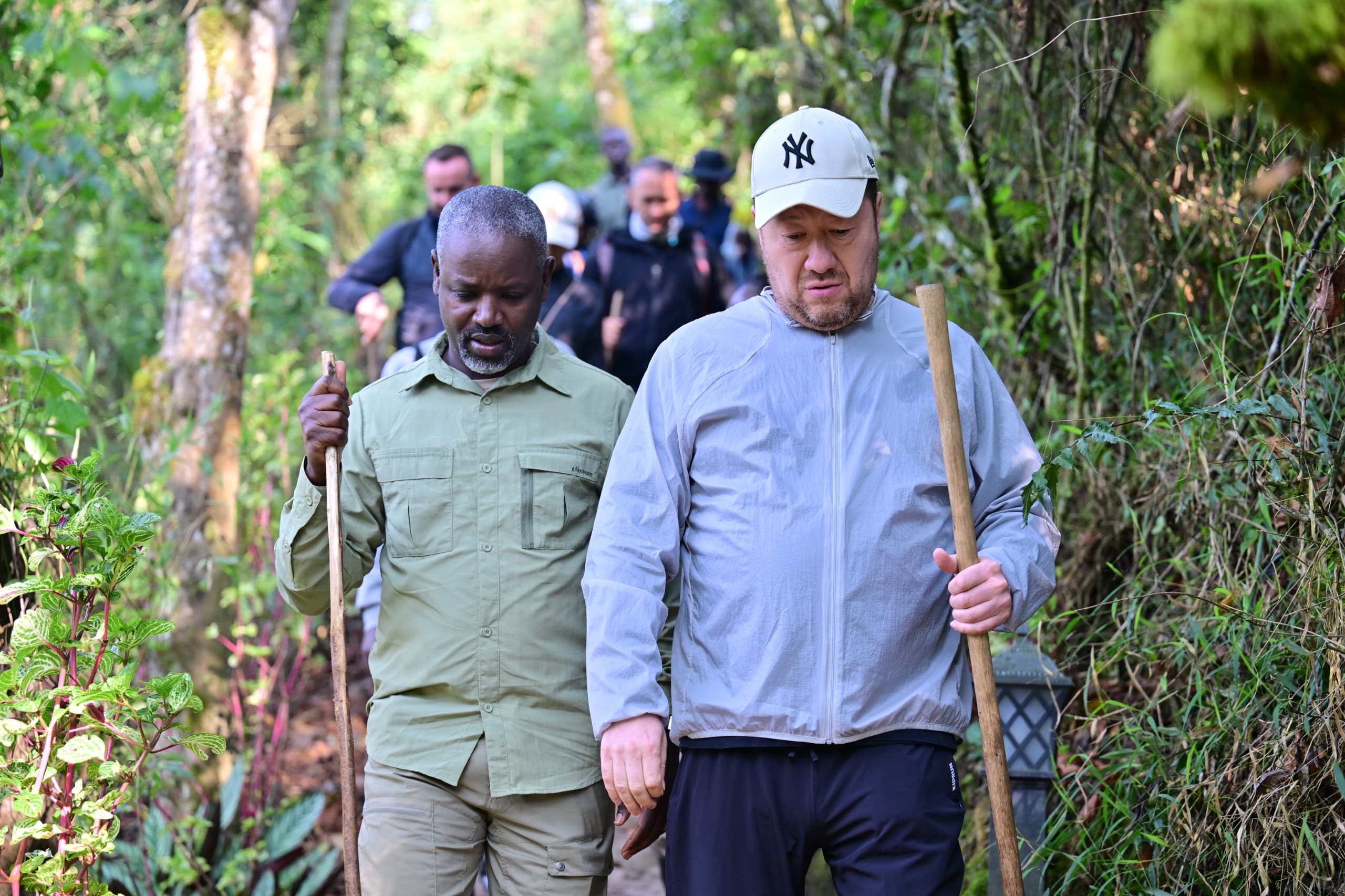
BWINDI, Uganda — Deep in Uganda’s misty Bwindi forest, where ancient trees rise above the tangled undergrowth and mountain gorillas move quietly through the vegetation, a newborn gorilla has acquired a distinctly Czech name.
Tomáš.
The name was chosen by Tomio Okamura, Speaker of the Parliament of the Czech Republic, during a gorilla trek in south-western Uganda, a small, unexpected moment that he hopes will become a lasting symbol of friendship between Uganda and the Czech Republic.
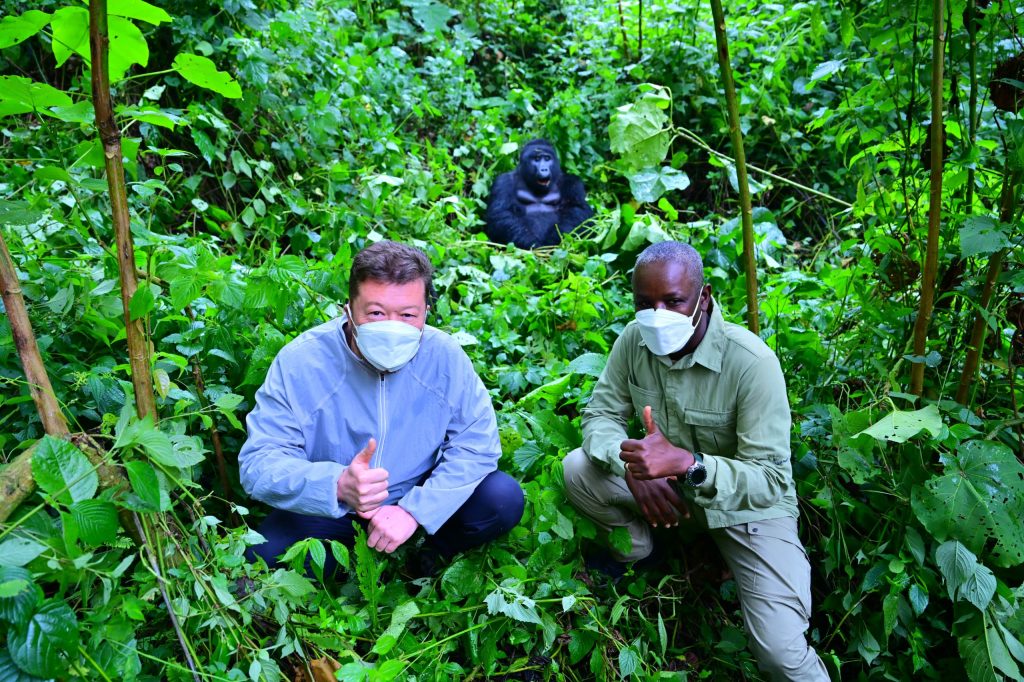
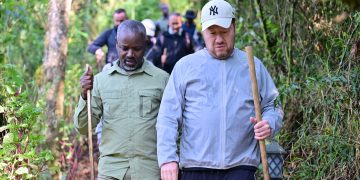
Okamura was trekking in Bwindi Impenetrable National Park alongside Uganda’s Deputy Speaker, Thomas Tayebwa, when Tayebwa invited his Czech guest to suggest a name for the young gorilla. “Something like Tomáš,” Okamura replied.
The choice carried a playful connection. Tomio is a Japanese name, while Tomáš is Czech. In English, it becomes Thomas, the same name as Uganda’s deputy speaker.
For Okamura, the name was more than a spontaneous choice.
He said it would help him remember the encounter for years to come and serve as a reminder of the relationship he hopes to strengthen between the two countries.
“It should be a start, or a sign, of our friendship and help build our relations,” he said.
Meeting Uganda’s ‘cousins’
For Tayebwa, who has visited Bwindi many times, the forest still has the ability to surprise.
He said every gorilla trek feels different, even after repeated visits, because of the close encounters with animals that share so much of human behaviour.
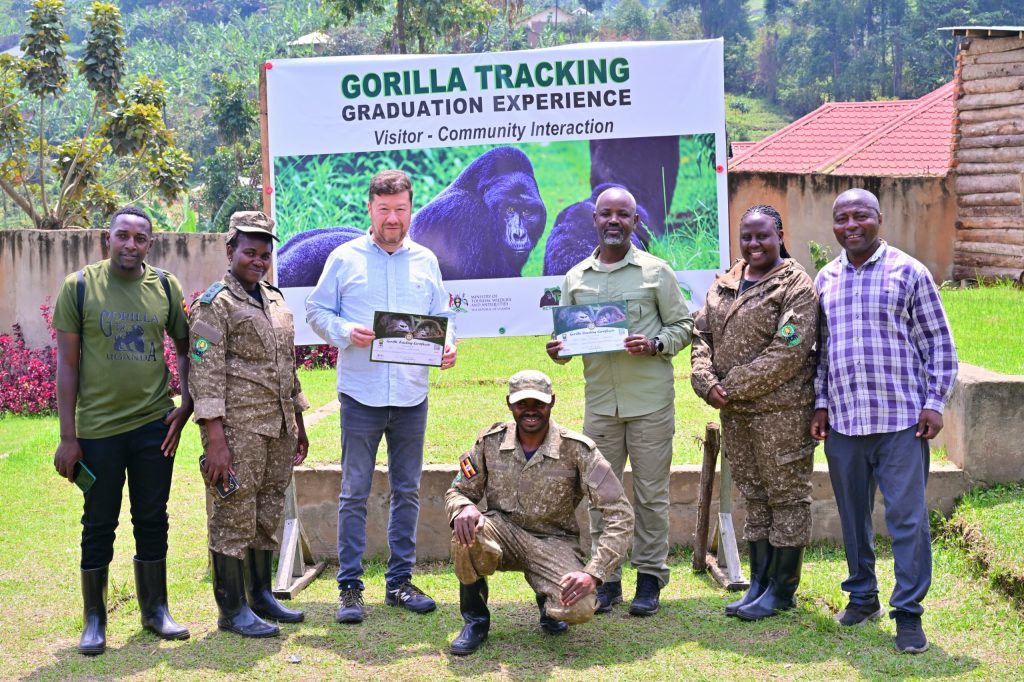
“For me, it always feels like the first time whenever I come here,” he said. The experience, he added, is particularly striking when visitors watch gorillas caring for their young.
“We learn a lot from them. But every day, they give you a reason to protect nature,” Tayebwa said.
The encounter also offered a reminder of why Uganda’s mountain gorillas have become one of the country’s most important tourism attractions, drawing visitors from around the world to the forests of south-western Uganda.
But Tayebwa’s message during the visit was aimed not only at international visitors.
He urged Ugandans themselves to explore their country before looking overseas for holiday destinations.
“I urge Ugandans to come here and tour our country,” he said. “I see very many going to Dubai. Going where? First, come and see the beauty of our country.”
Ugandan citizens pay significantly less for gorilla trekking permits than foreign visitors, he noted, making the experience more accessible to local travellers.
For Uganda, encouraging domestic tourism is part of a wider effort to make tourism a shared national experience rather than an attraction mainly enjoyed by international visitors.
From prague to Bwindi
Okamura sees an opportunity for Uganda and the Czech Republic to build on their tourism strengths.
Prague, the Czech capital, is one of Europe’s best-known tourist destinations. Uganda, meanwhile, has built an international reputation around its mountain gorillas and the forests in which they live.
“Prague is a top destination. A top tourist destination,” Okamura said. “Gorilla trekking is also world top. So this is two top things.”
The comparison may sound simple, but it points to a broader ambition: using tourism to bring people from very different parts of the world closer together.
Uganda is also hoping to turn major international gatherings into opportunities to showcase its attractions.
Tayebwa said the country expects to host the OACPS-EU Joint Parliamentary Assembly next year, bringing more than 500 delegates from Europe, Africa, the Caribbean and the Pacific.
As president of the Organisation of African, Caribbean and Pacific States and co-president of the OACPS-EU assembly, Tayebwa said the gathering could give Uganda another opportunity to introduce visitors to the country beyond conference halls.
For now, however, the most memorable ambassador may be a very small one.
Somewhere in the forests of Bwindi, a young mountain gorilla carries a Czech name: Tomáš, born out of a chance encounter between two parliament speakers and a shared belief that tourism can create connections that last well beyond a single visit.
In a forest where generations of gorillas have lived largely beyond the human world, one newborn has, in a small way, become part of a much bigger story.