


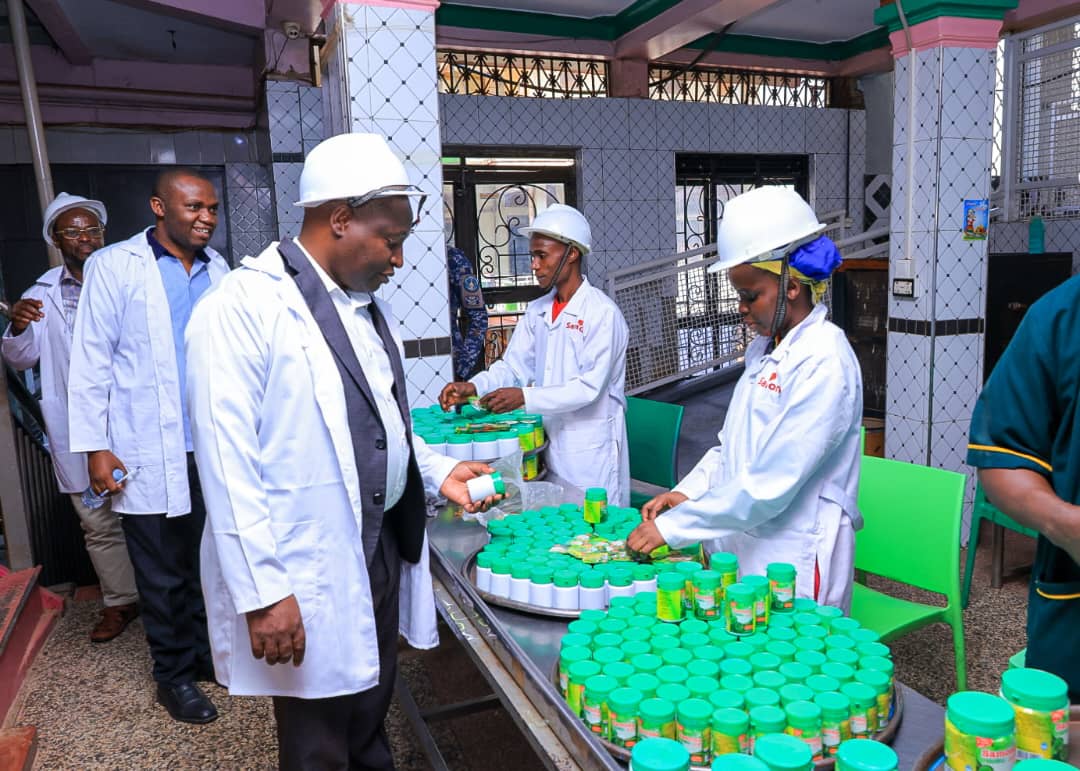
The Minister of State for Industry, Hon. David Bahati, has urged manufacturers to strengthen local content, improve product quality and promote Ugandan-made goods as the Government intensifies efforts to boost industrialisation.
Bahati made the call during a tour of three factories—Mesha Steel Industries Limited, Samona Products Ltd and Korica Uganda Limited, where he assessed their operations and explored their potential to promote value addition, drive import substitution, create jobs and generate export revenue.
At Mesha Steel Industries, the Minister witnessed the impact of supporting local manufacturing.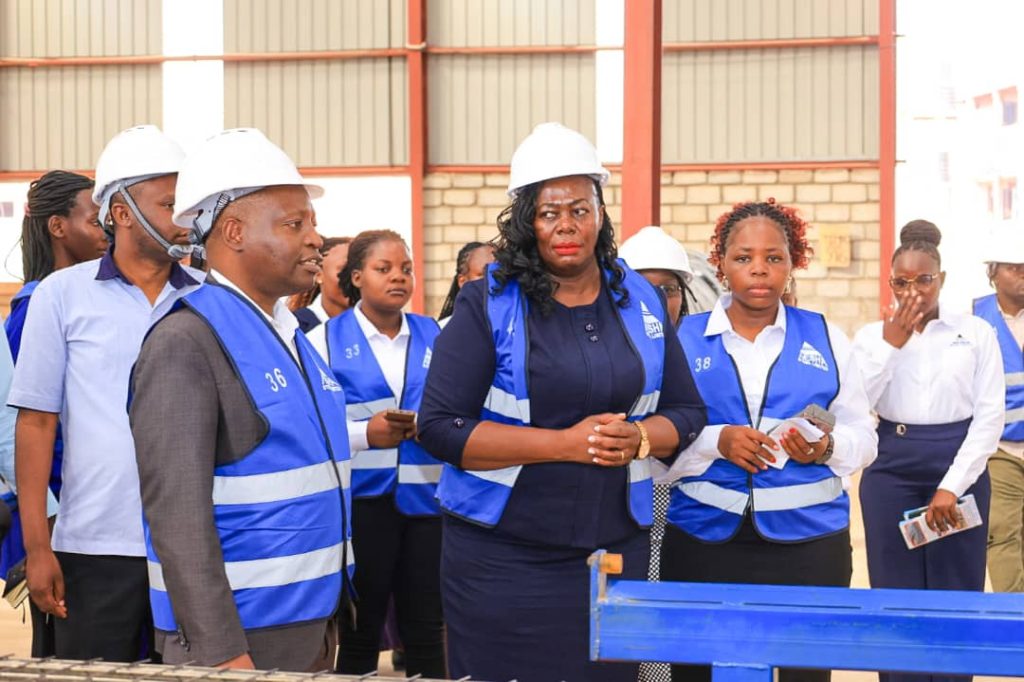 Managing Director Lydia Mwesigwa said the company sources 95 percent of its raw materials locally, directly employs 200 Ugandans and supports more than 2,000 livelihoods through its supply chain and workers’ dependants.
The factory, she said, demonstrates what Ugandan manufacturers can achieve when supported by appropriate policies and infrastructure.
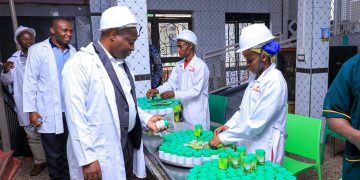
At Samona Products Ltd, Founder and Managing Director Salongo Kasawuli Michael Mukasa raised concerns about the severe financial challenges facing Uganda’s first herbal jelly factory.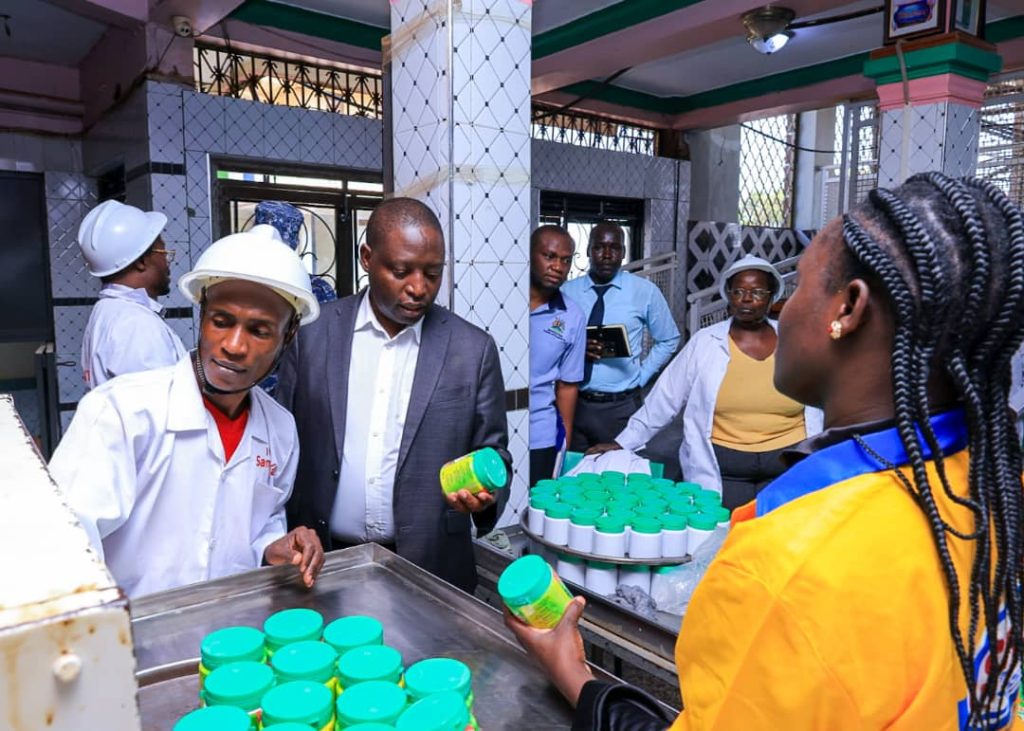 Mukasa said the company is facing imminent bankruptcy due to complications arising from its initial operational plan with the Kampala Capital City Authority (KCCA). Despite its pioneering role in value addition and its potential to export herbal products, he said the factory requires urgent government intervention to remain operational.
At Korica Uganda Limited, the Minister was informed about the company’s successful exports to the Democratic Republic of Congo (DRC), South Sudan, Rwanda and Burundi.
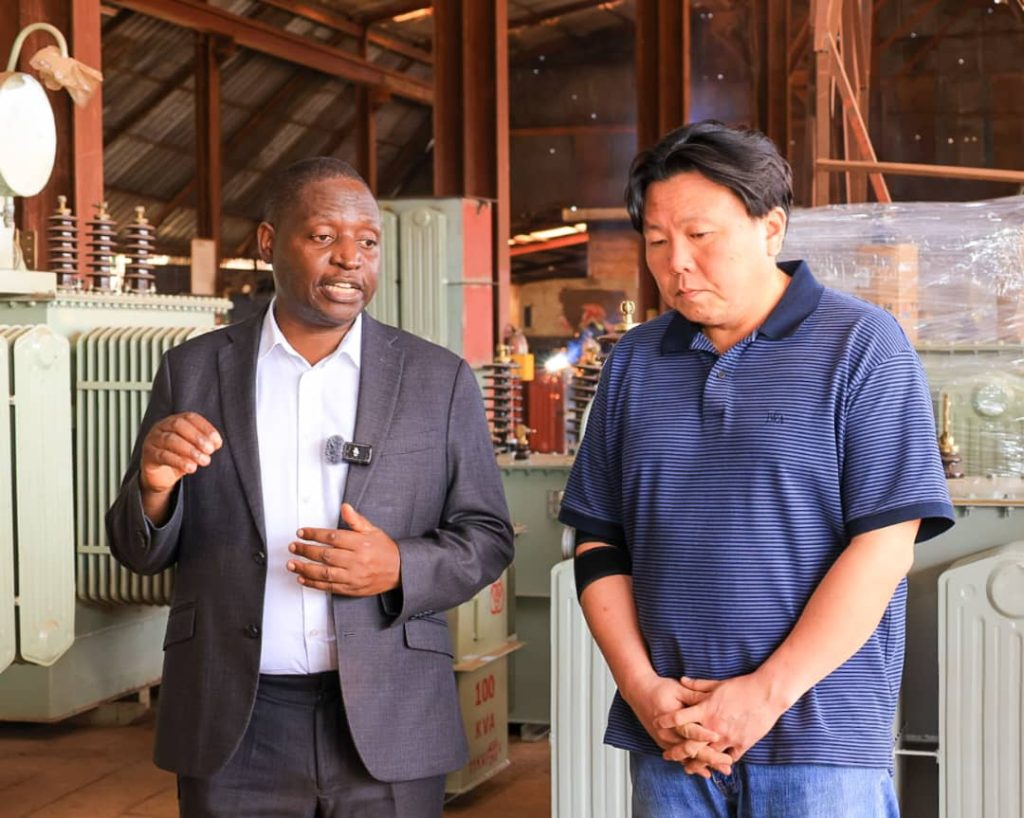 With more than two decades of experience in the production and repair of power transformers, Korica has demonstrated that Ugandan-made products can compete effectively in regional markets. The company is also an example of Uganda’s potential to develop a competitive manufacturing sector.
Bahati urged manufacturers to work closely with government agencies to address existing bottlenecks. He encouraged them to take advantage of available initiatives, including affordable industrial financing to scale up production, improved infrastructure to reduce operational costs, and market opportunities under the African Continental Free Trade Area (AfCFTA) to reach regional and continental buyers.
He further urged manufacturers to strengthen local content and promote quality Ugandan-made products as a model for other industries.
The Minister pledged the Government’s continued support for industrial revival through import-substitution policies aimed at reducing reliance on foreign goods, affordable financing to support expansion and modernisation, and efforts to lower electricity tariffs to five cents per unit as power-generation capacity increases.