


Uganda’s monthly National Cleaning Day has taken on a religious dimension, with the Seventh-day Adventist (SDA) Church launching its own nationwide clean-up programme after reaching an arrangement with the government over the observance of Saturday as the church’s Sabbath.
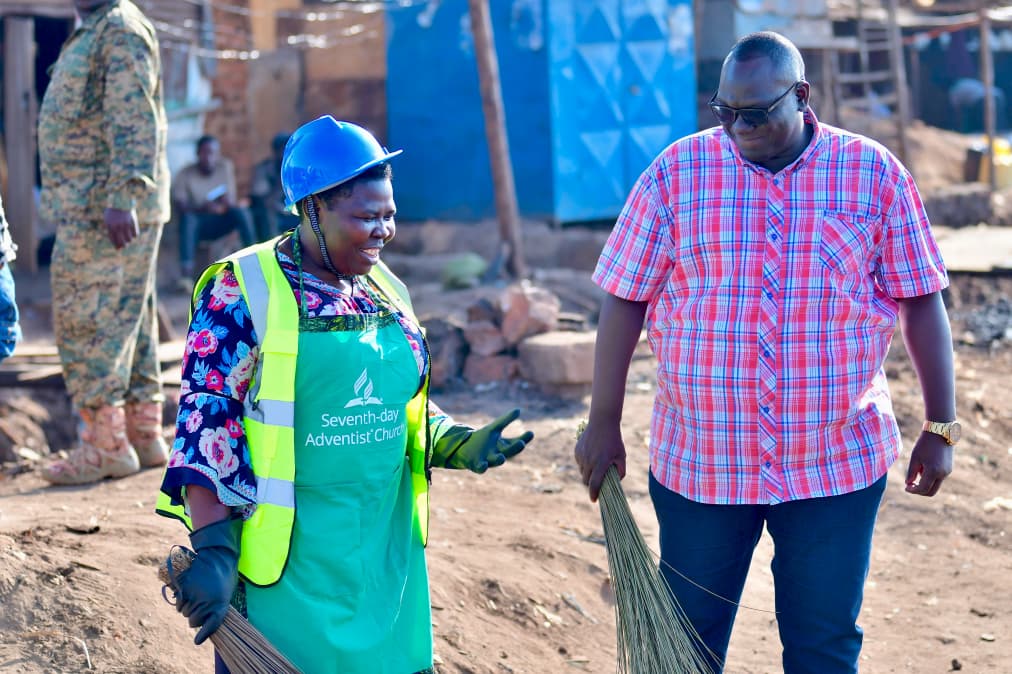
SDA members in Kampala’s Lubaga Division on Sunday combined community cleaning with evangelism, distributing soap and religious literature to residents while promoting sanitation, healthy living and community responsibility.
The exercise at Wilson Zone marked the launch of a programme under which Adventist communities across Uganda will conduct regular clean-up activities, allowing the church to contribute to the government’s sanitation campaign while respecting its religious obligations.
The initiative was launched at Kidomole LC1 by NRM Deputy Secretary General Rose Namayanja Nsereko, SDA Church Archbishop Samuel Kajoba and Central Uganda Conference Bishop Pastor David Simwogerere.
A national campaign with public-health ambitions
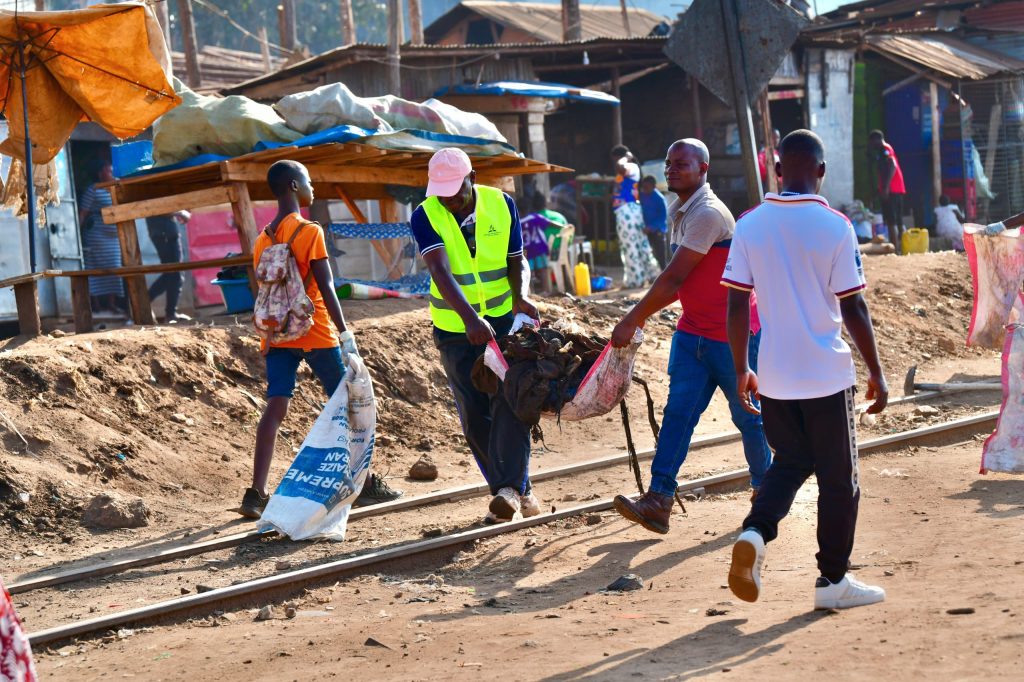
Uganda introduced National Cleaning Day in July as a nationwide response to concerns over poor sanitation, waste management and preventable disease.
The government has designated the last Saturday of every month, from 7am to 10am, for community cleaning. The programme was approved by Cabinet in August 2025 and formally rolled out in July 2026.
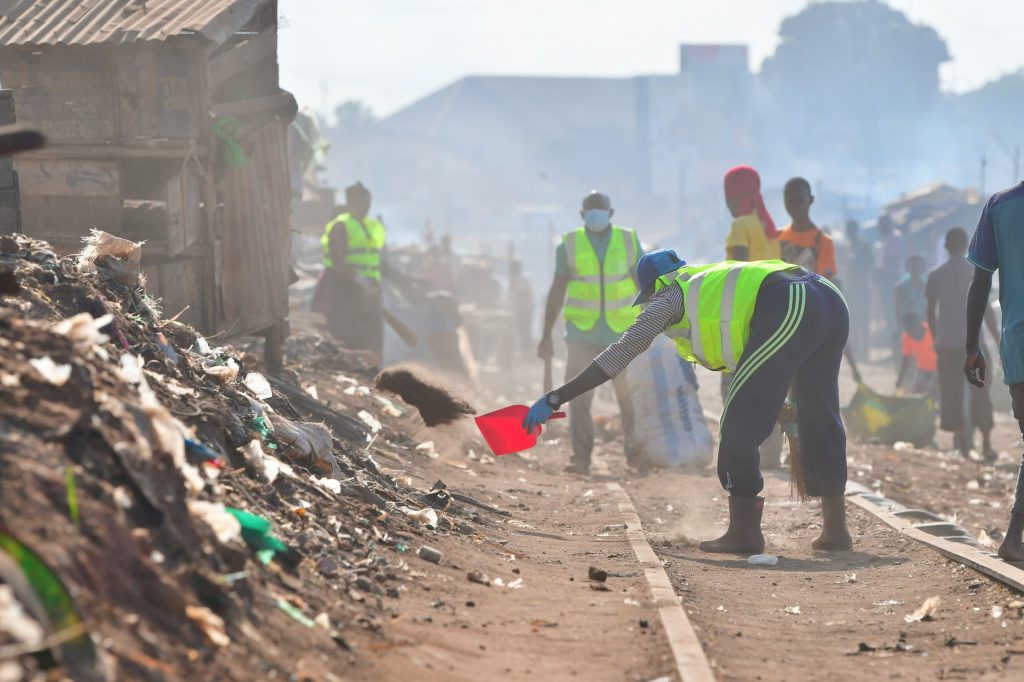
The second exercise was held on Saturday, August 29, with authorities urging residents to clean homes, markets, workplaces, roadsides and other public spaces.
The government says the campaign is intended to build a lasting culture of cleanliness rather than leave waste management solely to local authorities. Officials have linked poor sanitation to a large share of preventable illnesses in the country.
The initiative has also involved temporary restrictions on movement and non-essential activities during the three-hour cleaning period, with exemptions for essential and emergency services and other specified categories.
Sabbath challenge
The programme initially presented a particular challenge for Seventh-day Adventists, for whom Saturday is a sacred day of worship and rest.
SDA leaders engaged the government over the issue, seeking an alternative day on which Adventists could participate without compromising their religious observance. The government subsequently made arrangements allowing Adventists to undertake the cleaning activities on another day.
Speaking at the Lubaga launch, Namayanja thanked the government for accommodating the church, saying cooperation between religious institutions and the state was essential in addressing public-health challenges.
She said many diseases could be prevented through better sanitation and praised Adventists for mobilising their communities to support the national campaign.
‘Cleanliness and health’ central to Adventist teaching
Pastor Kajoba said sanitation was consistent with the church’s teachings on health and personal wellbeing.
“Our church believes in cleanliness. Health is a very important element in our Adventist teaching.”
He said the programme would extend beyond Kampala through the church’s nationwide structures, bringing religious communities into the government’s broader sanitation effort.
Pastor Simwogerere said the monthly exercise would become a permanent feature of SDA community engagement, urging members to take responsibility not only for public spaces but also for their homes and neighbourhoods.
“This is just the beginning,” he said, pledging continued participation in the campaign.
Rubaga Division Mayor Zacchy Mberaze Mawula also joined the exercise and welcomed the church’s involvement, saying religious institutions could help promote sanitation, public health and responsible citizenship.
From clean-up to community mobilisation
The Adventist initiative adds a faith-based network to a government campaign that has already drawn participation from communities, businesses, religious groups and civil society organisations across Uganda.
But the campaign also faces a larger challenge: ensuring that monthly clean-ups translate into sustained waste collection and disposal.
Kampala, for example, generates an estimated 2,000 to 2,500 tonnes of waste each day, according to the Kampala Capital City Authority, which has been expanding its collection capacity and working with private waste operators.
That means the success of National Cleaning Day will depend not only on residents picking up rubbish, but also on authorities maintaining reliable waste collection systems and preventing illegal dumping.
For Uganda’s Adventists, however, the message from Lubaga was broader than sanitation.
The church is positioning the monthly exercise as an opportunity to combine public service, health promotion, environmental responsibility and evangelism, adding a powerful faith-based constituency to Uganda’s drive for cleaner and healthier communities.