


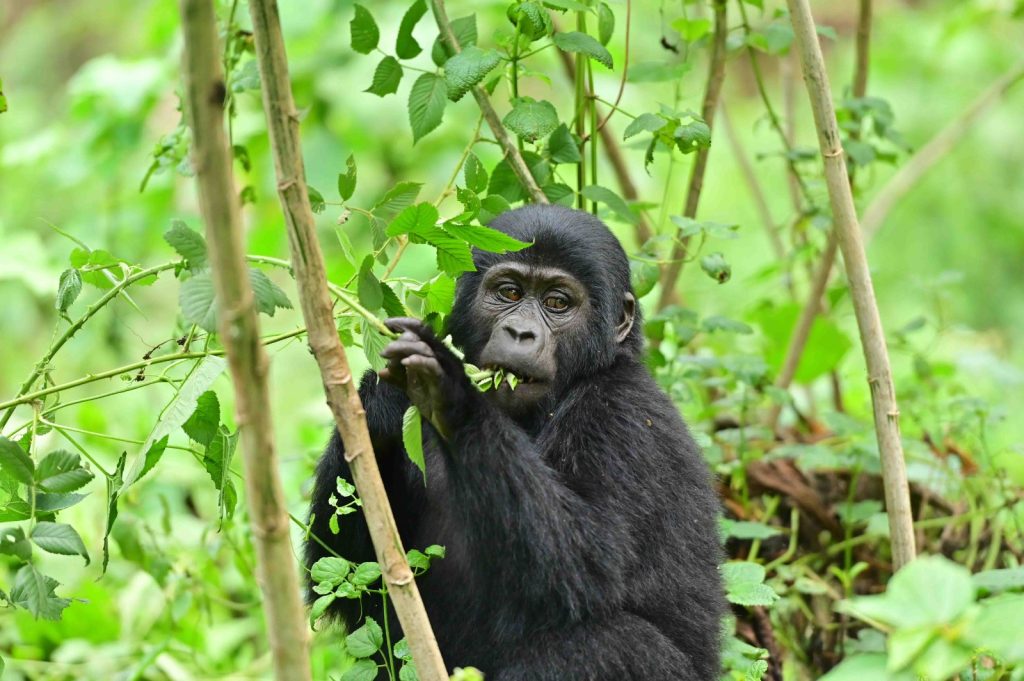
KANUNGU, Uganda — In the mist-covered forests of south-western Uganda, the survival of mountain gorillas is becoming increasingly intertwined with the fortunes of the people living on the edge of their habitat.
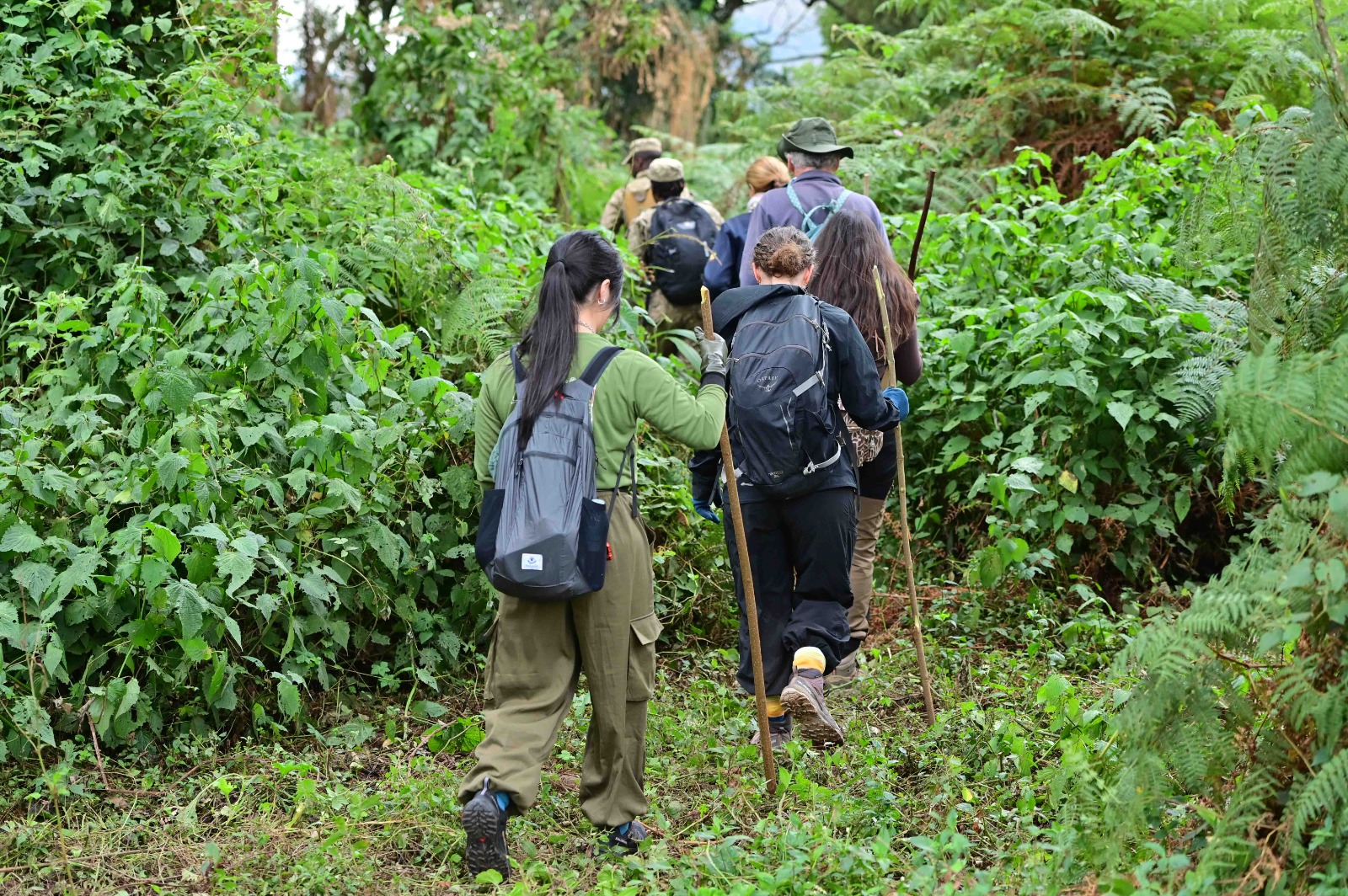
For communities around Bwindi Impenetrable and Mgahinga Gorilla National Parks, gorillas are no longer simply a conservation success story. They are a source of jobs, tourism revenue, markets and community investment, from porters and guides to farmers supplying hotels and small businesses serving visitors.
As Uganda the Uganda joins he world marking World Gorilla Day, the country is highlighting an animal that has become one of its most valuable tourism attractions, and a major economic lifeline for communities surrounding the forests.
Uganda is home to more than half of the world’s remaining mountain gorillas, which are found only in Uganda, Rwanda and the Democratic Republic of Congo.
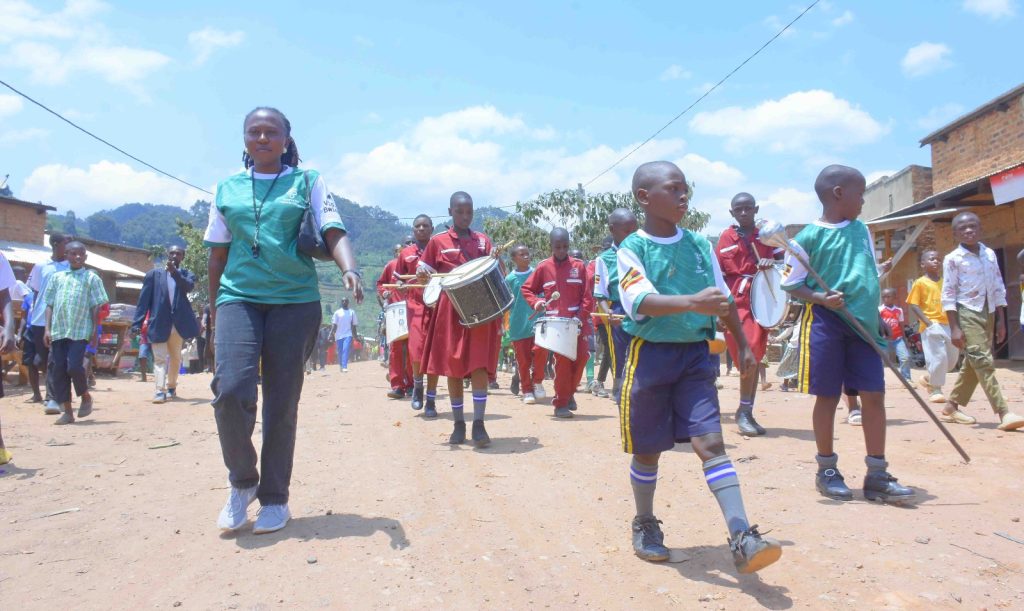
In Kanungu District, residents of Mpungu Sub-County marked the occasion with tree planting, community cleaning, conservation dialogues, sports and a free medical camp organised by Change a Life-Bwindi, a community organisation based in Ruhija.
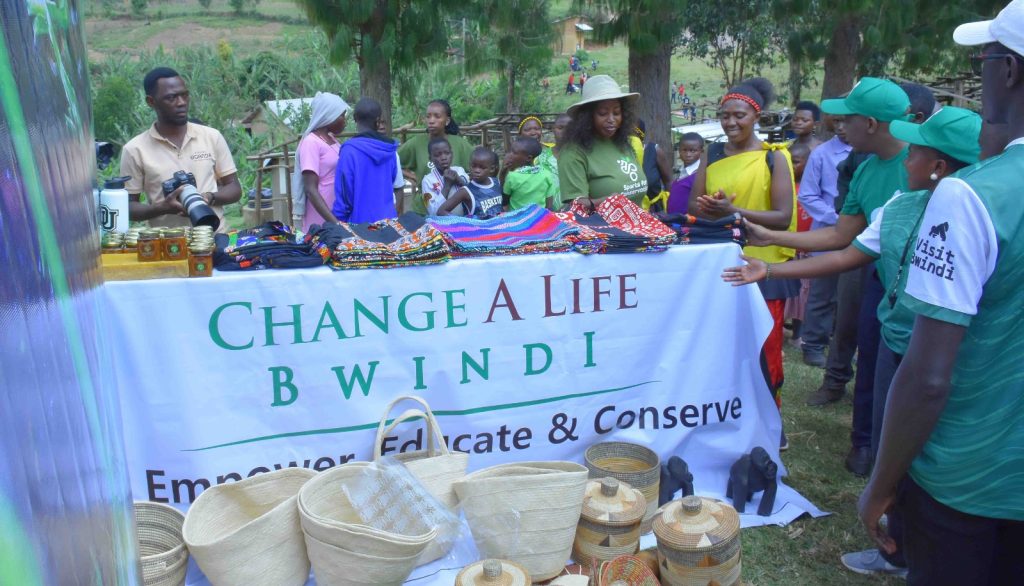
More than 120 people received free medical treatment from Rugarama Hospital.
The activities reflected a growing recognition that protecting wildlife cannot be separated from improving the lives of people who live alongside protected areas.
Christine Katushabe, founder of Change a Life-Bwindi, said the landscape around Bwindi had changed significantly as gorilla tourism expanded.
Luxury lodges and other tourism businesses have emerged across the park’s sectors, creating employment while generating demand for locally produced food, transport and other services.
But Katushabe says conservation must also reach communities that have historically benefited less from the tourism economy.
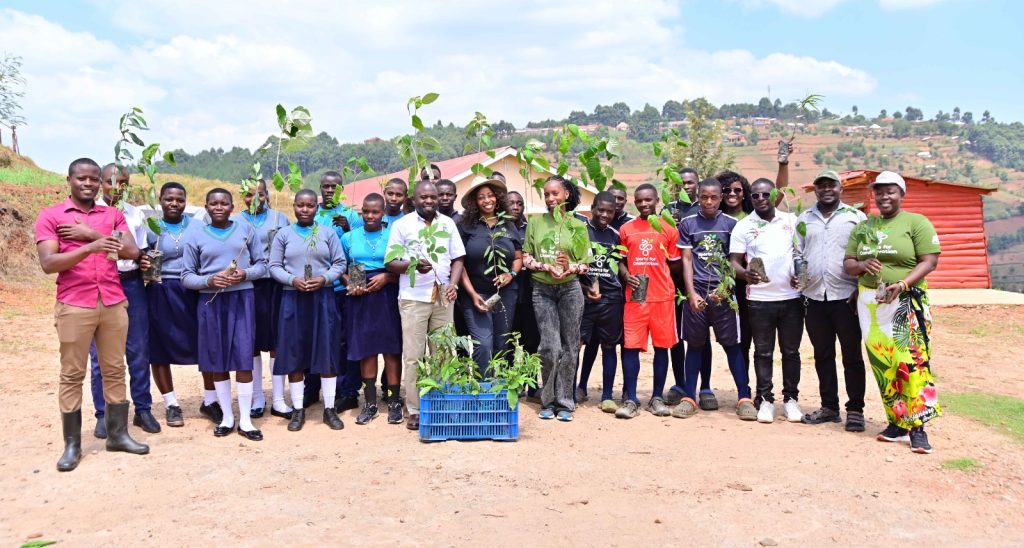
Her organisation has been working to strengthen the inclusion of Batwa communities in an area where the surrounding population is predominantly Bakiga.
The challenge, she says, is to ensure that the economic value generated by gorillas is felt beyond the gates of the national park.
A growing tourism magnet
The numbers underline the importance of the two parks to Uganda’s tourism industry.
According to Bashir Hangi, Uganda Wildlife Authority spokesperson and Assistant Commissioner in charge of communication, visitors to Mgahinga increased from 3,601 in the 2021/22 financial year to 6,222 in 2024/25.
Bwindi recorded a much larger increase over the same period. Visitor numbers rose from 20,367 in 2021/22 to 37,360 the following financial year, reaching 43,984 in 2023/24 before edging down to 43,716 in 2024/25.
Hangi cautioned that the figures cover all tourism activities in the parks and are not limited to visitors undertaking gorilla treks.
Even so, the figures illustrate the growing pull of Uganda’s gorilla habitat at a time when the country is seeking to expand its international tourism market.
The economic stakes are even more striking.
John Makombo, Uganda Wildlife Authority commissioner in charge of biodiversity management, says Bwindi and Mgahinga generated a combined Sh584.3 billion in tourism revenue between the 2022/23 and 2025/26 financial years.
Of that amount, gorilla tourism accounted for more than Sh398.8 billion, according to the figures provided by UWA.
Gorilla tourism generated more than Sh109.8 billion out of Sh147.9 billion collected in 2022/23.
In 2023/24, it contributed Sh86 billion of Sh131.9 billion; in 2024/25, Sh93 billion of Sh142 billion; and in 2025/26, Sh110 billion of Sh162.5 billion.
The economic impact also extends beyond government revenue.
In the financial year ending June 2025, UWA provided Sh2.97 billion to communities around the Bwindi-Mgahinga Conservation Area for community projects, social enterprises and business funds.
The beneficiaries include porters, guides, drivers, lodge employees, farmers and small businesses supplying the tourism industry.
Beyond the trekking trail
For Uganda’s tourism authorities, gorillas remain at the centre of the country’s international tourism brand.
Juliana Kagwa, chief executive of the Uganda Tourism Board, described gorillas as a key pillar of Uganda’s tourism appeal, while also calling for sustainable tourism practices in Bwindi and Mgahinga.
The government is simultaneously seeking to diversify Uganda’s tourism offering, encouraging visitors who come for gorillas to explore the country’s other wildlife, cultural and natural attractions.
That strategy reflects a broader question facing destinations built around rare wildlife: how to grow tourism without undermining the ecosystems and communities on which it depends.
For people living around Bwindi, that question is not abstract.
A porter can earn an income from a trek. A farmer can sell produce to a lodge. A driver can find work transporting visitors. A young person can enter an expanding tourism industry.
And for conservation organisations such as Change a Life-Bwindi, those links offer a practical argument for protecting the forest.
The message is simple: a living gorilla has economic value, but its value extends far beyond the price of a trekking permit.
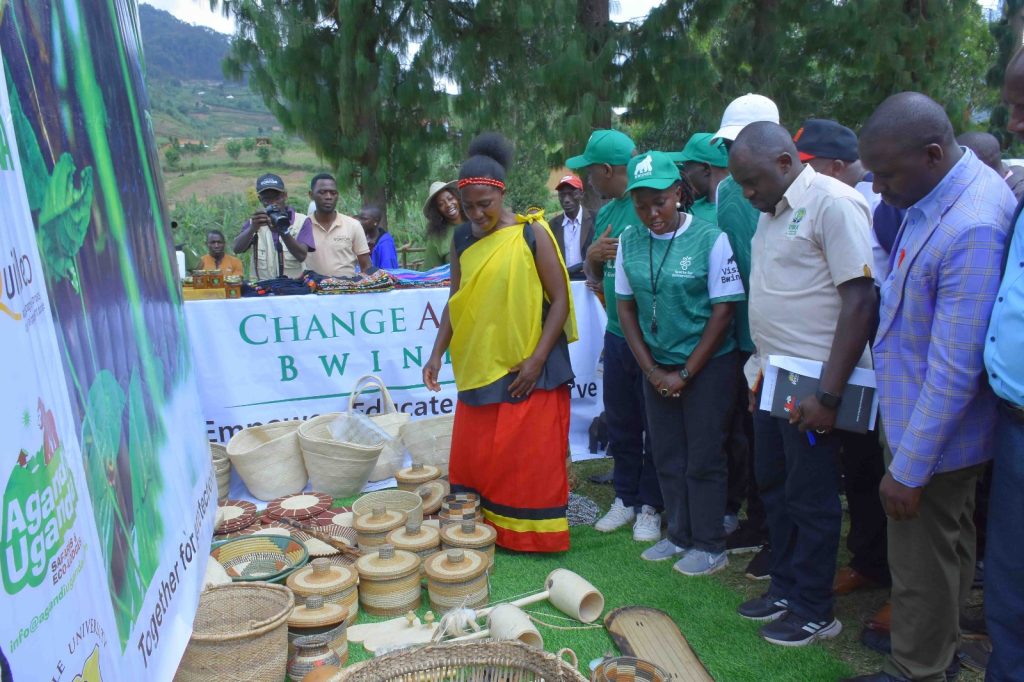
In the villages surrounding Bwindi, conservation is increasingly being measured not only by the number of gorillas surviving in the forest, but by whether the people living alongside them can build better lives too.