


KAMPALA, Uganda (UGNEWSLINE)- Tensions between Kampala city traders and the Uganda Revenue Authority (URA) have escalated following a failed meeting between the two parties over complaints of unfair taxation policies and administrative challenges affecting businesses.
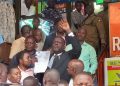
The disagreement erupted on Tuesday, November 10, 2026, when URA Commissioner General John Musinguzi Rujoki reportedly demanded that traders surrender their mobile phones and national identity cards to security personnel before he could meet them.
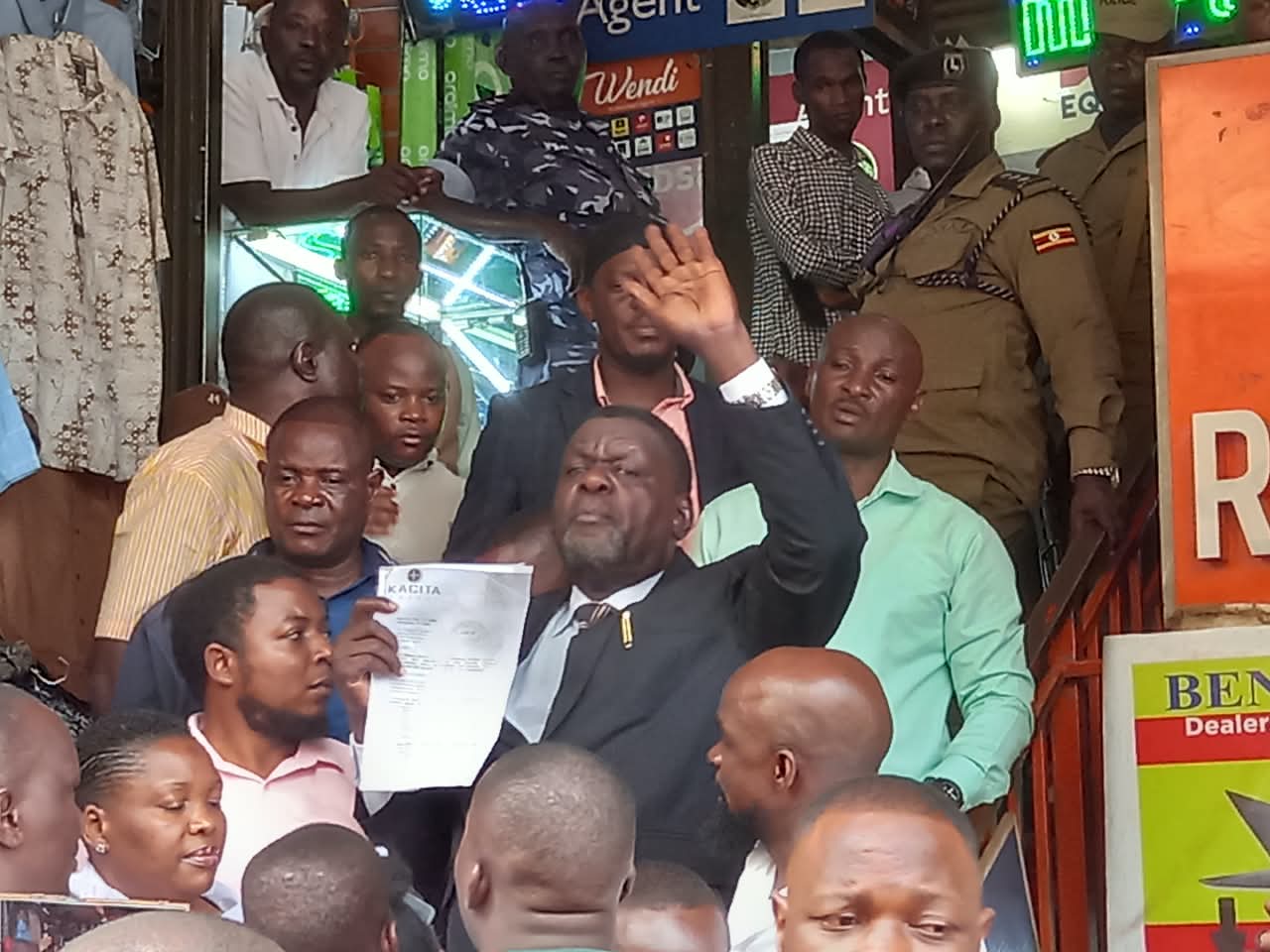
The traders, operating under their umbrella body, the Kampala City Traders Association (KACITA), rejected the conditions, describing them as unacceptable and frustrating their efforts to engage the tax authority over their grievances.
Musinguzi had reportedly scheduled a meeting with more than 300 traders to discuss their concerns. However, upon their arrival, the traders were informed through an emissary that they had to choose between surrendering their phones and national identity cards to security personnel or allowing the commissioner general to proceed with his other official duties.
The demand sparked a heated exchange, eventually forcing the traders to abandon the planned engagement and return to their respective businesses.
The traders had earlier resolved to reconvene on Wednesday to brief members about the outcome of the anticipated meeting with the URA chief. However, they were surprised to find KACITA offices, which had been expected to host the engagement, cordoned off by heavily armed security personnel.
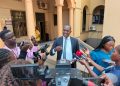
KACITA president Hajji Issa Ssekito later returned from the Central Police Station (CPS), where he had reportedly gone to seek an explanation from the Division Police Commander (DPC) over the deployment of armed officers at the association’s premises.
The officers had blocked the agitated traders from accessing the offices, raising fears of a possible confrontation.
Ssekito subsequently appealed to the traders to disperse peacefully and return on Thursday morning to allow their leaders more time to pursue dialogue with the authorities. The traders accepted his appeal and dispersed.
The standoff comes amid growing complaints from city traders over what they describe as unfair tax administration practices, including the arbitrary impounding of cargo trucks over alleged documentation and clearance irregularities, deliberate administrative delays in customs processes, challenges associated with the Electronic Fiscal Receipting and Invoicing Solution (EFRIS), and excessive taxation.
As part of their proposed resolutions, the traders had agreed that all cargo clearing agents should temporarily suspend processing cargo entry documents, commonly known as IM4 papers, at customs points as they push for discussions with URA.
They argued that the tax authority should first assess and impose the applicable taxes on the cargo before the outstanding disputes are resolved.
The traders also resolved to write to landlords of commercial buildings, seeking their support in enforcing a possible shop closure by ensuring that no business premises are opened if the planned industrial action is approved.
In addition, they want URA to provide a comprehensive list of applicable merchandise tax rates to help business owners calculate the expected costs of their goods, determine their profit margins and plan their operations accordingly.
They are also demanding that URA takes responsibility for warehouse storage charges incurred when cargo is impounded or delayed due to customs clearance challenges, arguing that prolonged administrative processes impose additional costs on traders.
The traders have warned that failure by URA to address their concerns could trigger a countrywide shop closure.
They are expected to reconvene on Thursday, November 13, 2026, to receive a report from their leaders on efforts to engage URA before deciding on their next course of action.