


KAMPALA, Uganda (UGNEWSLINE) –
The Uganda Alcohol Policy Alliance (UAPA) has called for stronger measures to control alcohol consumption, warning that excessive drinking could undermine government efforts to improve household incomes through the Parish Development Model (PDM).
The call comes ahead of the fifth Uganda National Alcohol Policy Conference, scheduled for November 25–26, 2026, at the Makerere University School of Public Health auditorium in Kampala.
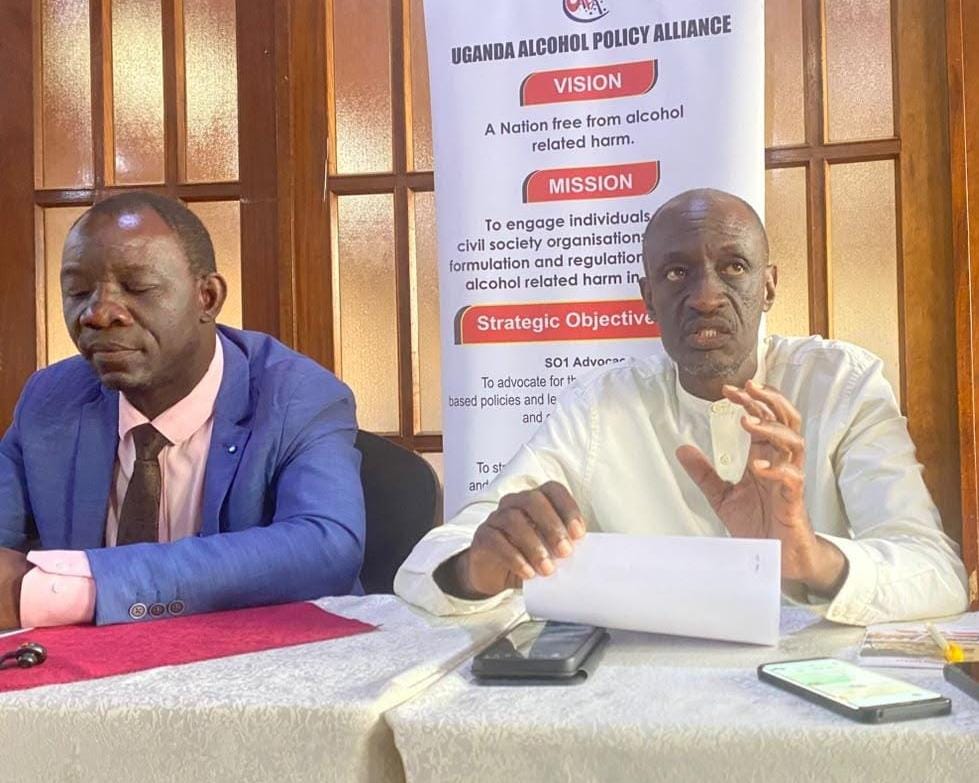
Richard Baguma, the UAPA vice chairperson, said excessive alcohol consumption is affecting family welfare, productivity and economic development, particularly in rural communities.
“The Parish Development Model will not succeed with the levels of alcohol consumption among Ugandans,” Baguma said while announcing the conference.
The conference, organised by UAPA in partnership with Makerere University School of Public Health, will bring together researchers, government officials, health professionals and policymakers to discuss ways of reducing alcohol-related harm.
Baguma welcomed the recent directive by Minister of local government Balaam Barugahara on the sale of alcohol, saying it was a step towards implementing the country’s existing alcohol control policy.
He said though the directive faced opposition from some influential government officials but maintained that enforcing the policy is necessary to protect public health and improve productivity.
Baguma noted that Cabinet had already approved a national alcohol control policy that includes measures to regulate the operating hours of alcohol-selling establishments.
He said delays in passing national alcohol control legislation had forced some local governments to introduce their own ordinances to regulate alcohol sales and consumption. However, he expressed concern about resistance to these efforts.
Uganda has made progress in controlling alcohol-related harm, including banning of alcohol sachets and encouraging attempts by private members of Parliament to introduce alcohol control legislation, he added.
Baguma called on the government, media and policymakers to support stronger regulation of the alcohol industry.
Dr. Nazarius Mbona, Professor from department of Epidemiology and Biostatistics at Makerere University School of Public Health said excessive alcohol consumption is contributing to domestic violence, road accidents and low productivity at workplaces.
He said Makerere University has a responsibility to help address problems affecting Ugandans and support efforts to improve public health.
Mbona cited studies linking alcohol consumption to domestic violence and other social problems, arguing that reducing excessive drinking would help families maintain stability, increase incomes and improve people’s ability to achieve their academic and economic goals.
He called for a comprehensive law to regulate alcohol advertising, sales and consumption, noting that other countries introduced restrictions to reduce alcohol-related harm.
“People should not drink to the extent of causing harm to themselves and others,” Mbona said, calling for joint action by government, researchers and other stakeholders.
Dr Alfred Jatho, head of the research unit at the Uganda Cancer Institute, said alcohol consumption is also contributing to Uganda’s cancer burden and increasing the financial burden on patients and their families.
Jatho added that many patients seek treatment when their illnesses are already advanced, reducing their chances of survival, particularly for cancers of the oesophagus and liver.
He said stronger measures to reduce harmful alcohol consumption could help prevent illness and ease pressure on families and the health system.
The speakers estimated that alcohol-related harm costs Uganda about Shs11 trillion, which they said is far higher than the revenue generated by the alcohol industry.
They argued that the country should consider the wider economic costs of alcohol consumption, including illness, family problems and lost productivity, rather than focusing only on revenue from alcohol sales.
The November conference will examine the social, cultural and religious effects of alcohol consumption, as well as the responsibility of manufacturers to reduce harm.
Participants are expected to discuss measures such as reducing alcohol content, improving product quality, clearly indicating alcohol strength on labels and protecting children and young people from early exposure to alcohol.
The conference will also explore ways to strengthen regulation of alcohol production and sales, including formalising the industry, improving quality checks and requiring clear information about alcohol content.
Baguma said alcohol regulation should protect public health while allowing legitimate businesses to operate responsibly.
He said previous advocacy efforts had helped raise public awareness, contributed to the development of the national alcohol control policy and encouraged attempts to introduce alcohol control legislation in Parliament.
He urged journalists to continue reporting on alcohol-related harm, saying public awareness and debate were important in securing stronger protection for communities.
The organisers said the conference would review progress in implementing existing policies and identify further measures to reduce alcohol-related harm.